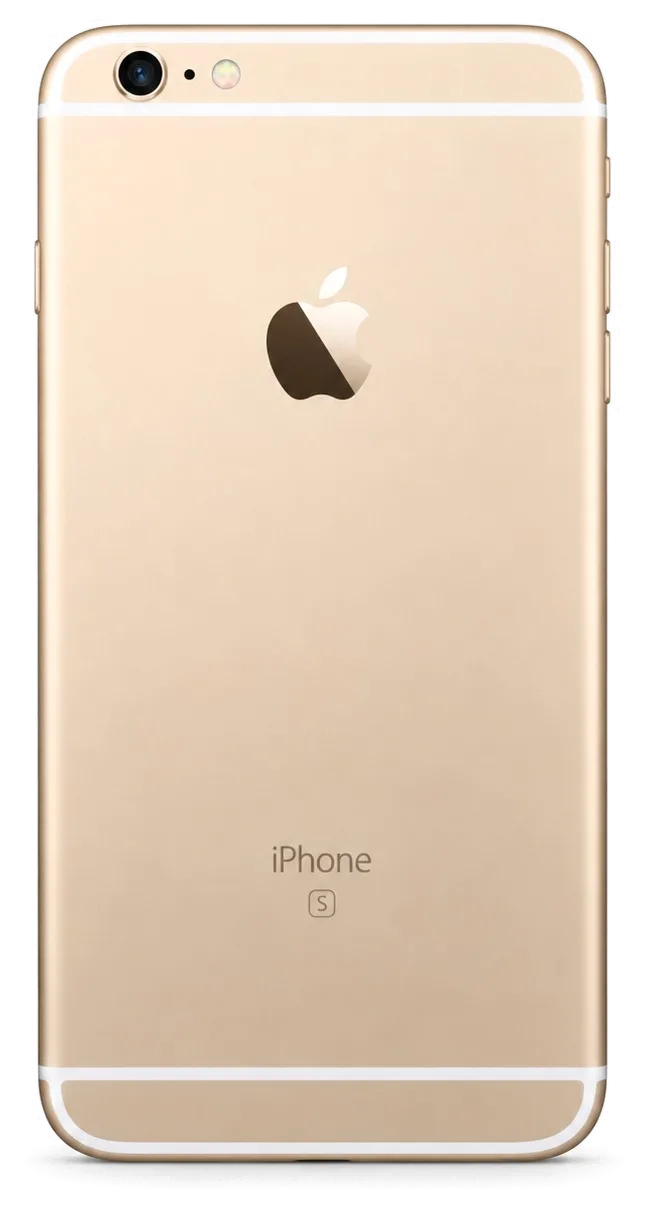
The iPhone 6 is an older device, so failures cluster around a few predictable nodes — the screen, the cell, the charging socket and the camera lens. Here is how each one announces itself.
Screen, Touch and Display Symptoms
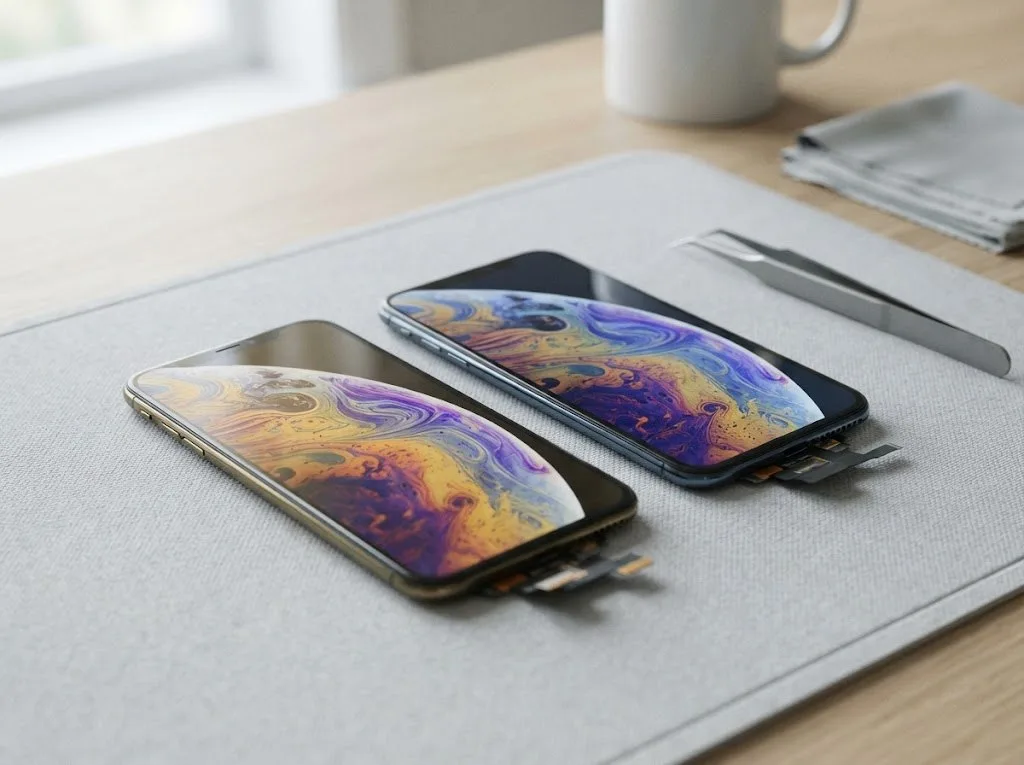
A cracked screen shows up in three ways — shattered cover glass with a working image, vertical lines or dead zones, or a digitizer that stops responding in patches of the panel. The 4.7-inch LCD and the digitizer layer sit in one assembly, so a drop that leaves the picture intact can still kill response in one corner while the rest of the panel behaves normally. Vertical bands and grey blotches usually mean the panel itself took the impact, not the protective layer above it. On this generation the two layers are bonded, so a digitizer fault that appears after a drop usually means the whole assembly needs attention, not a cosmetic swap on top.
Battery, Charging Port and Cable Behaviour
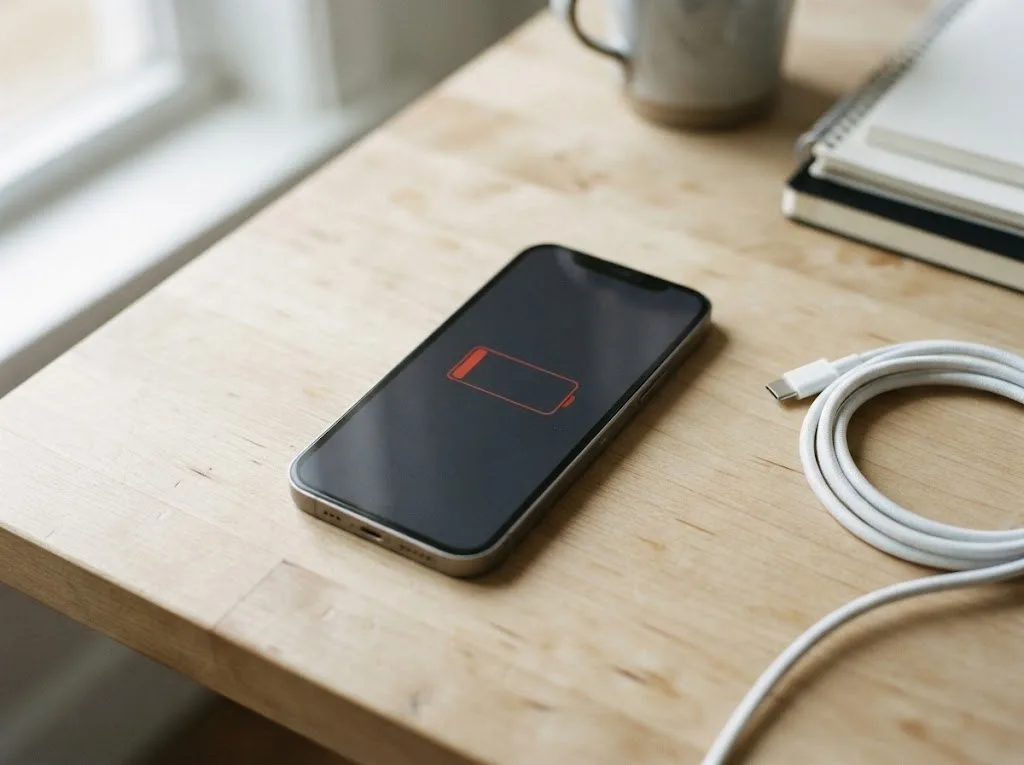
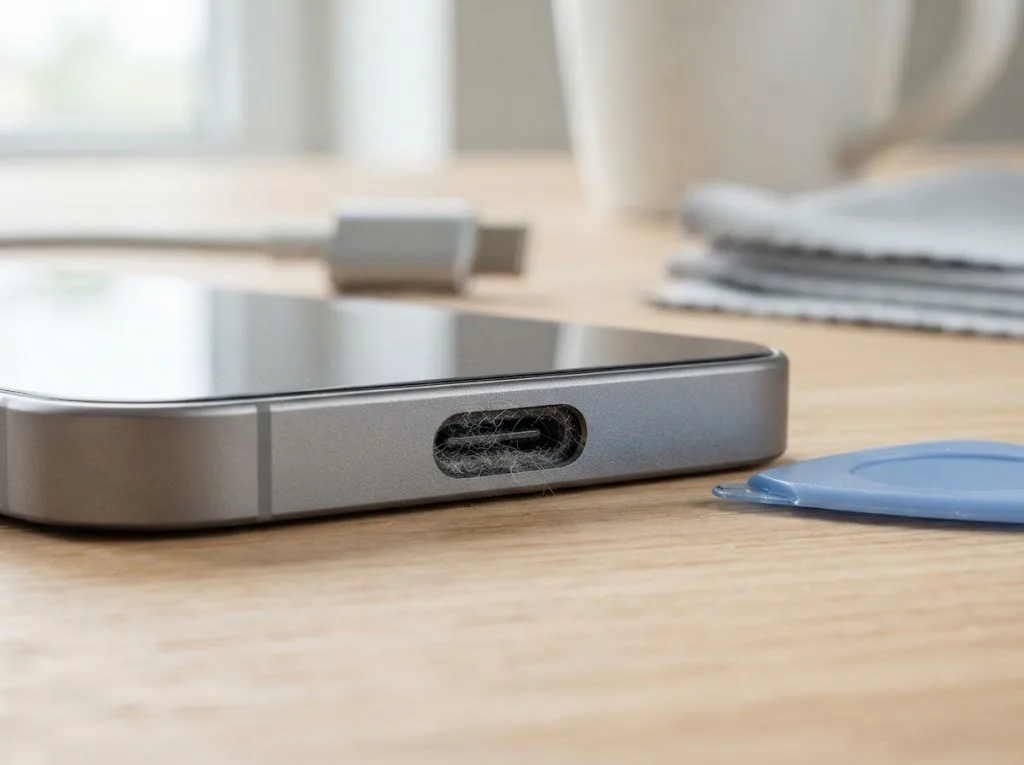
We see two charging complaints most often on this model — a cell that drains within hours and a Lightning connector that only works when the cable is held at an angle. A pack that has cycled for years loses capacity and can shut the phone down at 30–40% under load, while a worn socket builds resistance and slows the charge. A port that works at one angle is usually packed with lint or oxidised pins, and the free 15-minute check in front of you separates that from a board-level fault prior to ordering any component. That single test saves customers from paying for a component they never needed.
Symptom to Cause to Action
Complaints mapped to the node behind them| Symptom | Likely node | What we do |
|---|
| Glass cracked, image fine | Cover glass or display module | Swap glass or full module |
|---|
| Dead touch zones or lines across the screen | Display module | Fit a new module |
|---|
| Battery drops fast | Battery | Swap the cell |
|---|
| Only works when the cable is bent | Lightning port, lint, oxidised pins | Clean or swap the port |
|---|
| Blurry photos, cracked lens | Camera glass | Fit new camera glass |
|---|
| Home button unresponsive | Home button with Touch ID | Diagnose button and flex |
|---|
Glass or the Whole Display Module on an iPhone 6
Can just the glass be replaced? That hinges on the condition of the parts after the drop. On the iPhone 6 the answer is decided by the LCD and the touch layer, not by how the crack looks.
When Only the Glass Can Be Replaced
We replace only the cover sheet when the image is clean, the digitizer works across the whole panel and there are no dark patches or lines under the surface. The protective sheet and the display module are two separate layers, and a cracked top sheet with a healthy LCD underneath is the classic case for a cover-only job. Our engineer runs the free 15-minute check in front of you, presses along the panel and looks for dead spots prior to making a decision. Here the cover sheet is glued to the frame, so prying it off demands heat and a careful hand — a quick swap is not an option. A cover-only job keeps the original LCD and touch layer paired to the phone, which is why it is worth asking for when the display itself is still healthy.
When the Full Module Is the Only Option
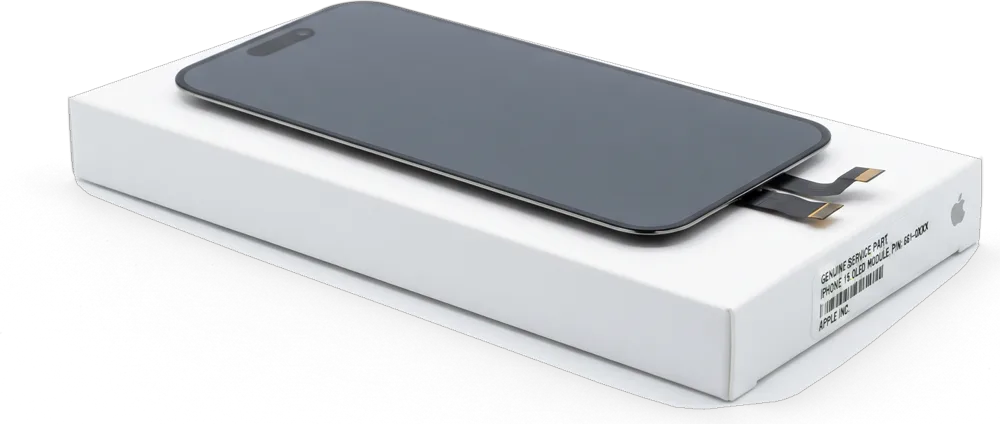
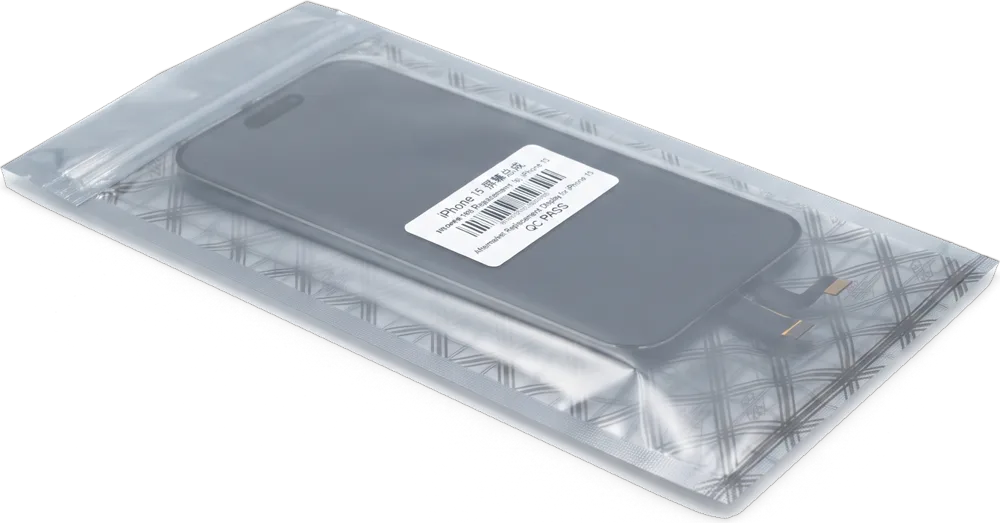
A full module replacement is required once the LCD shows lines, ink-like blotches or dead digitizer zones, because those faults live in the panel rather than the cover sheet. LCD and digitizer come together as a single display module, so internal damage will not be solved by gluing a fresh cover sheet over it. Lines that appear after a drop, a purple bruise spreading from one corner or a strip that stops responding all point to the panel. Trying to press a new cover sheet onto a failing panel usually brings the same lines back within days, so the diagnostic check happens prior to ordering the component. We show you the replacement in its factory packaging before installation.
What Happens to Touch ID and the Home Button
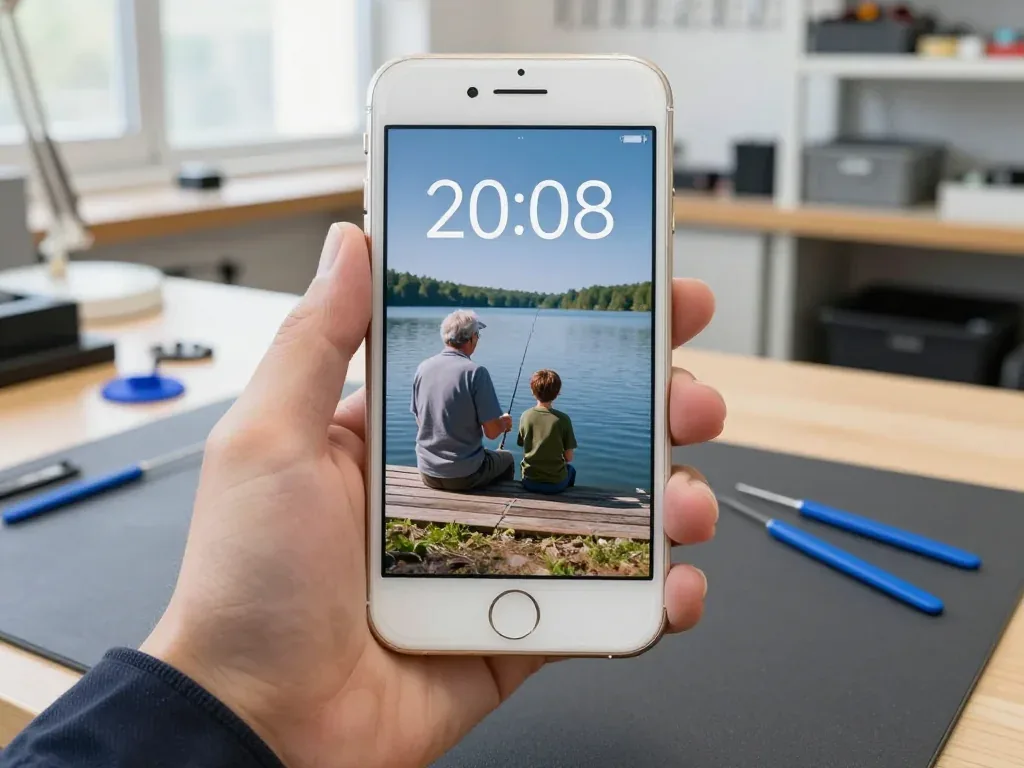
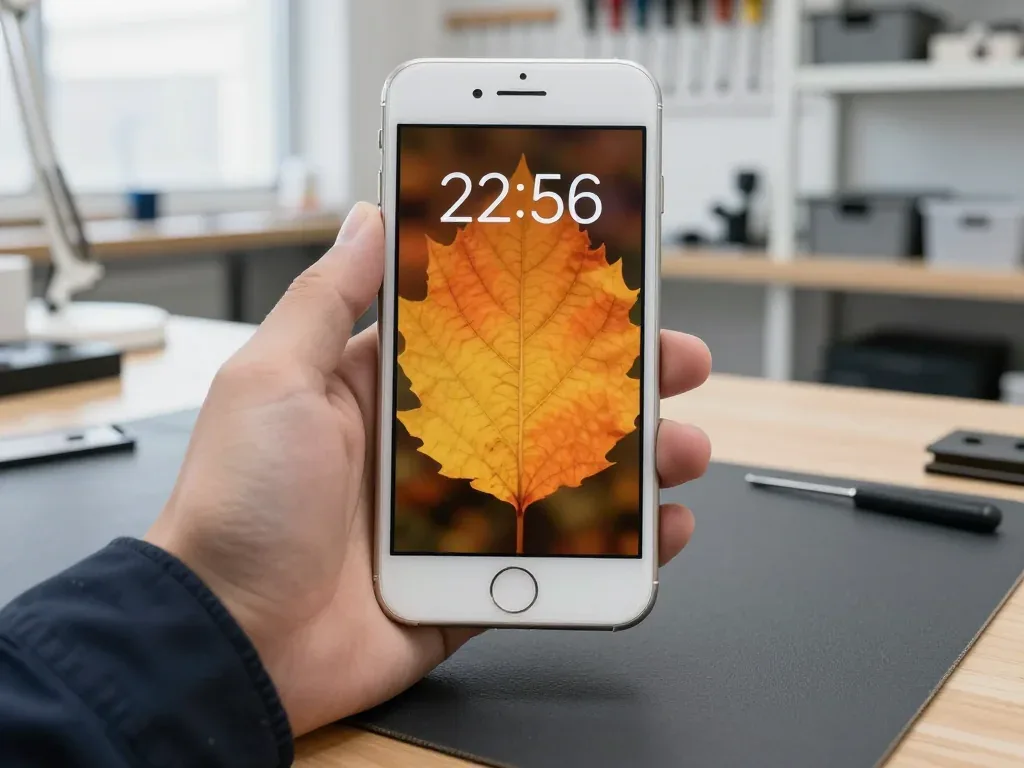
The Home button with Touch ID is a separate part from the display module, so a screen replacement does not touch the fingerprint sensor. The button holds the sensor and sits on its own flex, connected to the logic board rather than to the panel. During any display job the technician transfers the original button across to the new module instead of fitting a new one. At the factory the button gets paired with the logic board, so during a screen job the technician moves the original button across instead of installing a new one. Ask for the old components back at pickup and check that the button still reads your finger prior to leaving the counter.
Original vs Aftermarket Which Functions Each Option Preserves
The choice between an original component and an aftermarket one changes more than the bill — it decides which functions keep behaving the way the phone did before the repair.
Original vs Aftermarket Components in Practice
An original component matches the factory behaviour of the phone, while an aftermarket one can differ in brightness, colour temperature or touch response. On a display module the difference shows up first in colour temperature and peak brightness under direct sun; on a battery it shows in runtime after a full charge cycle. An aftermarket screen may also differ in how evenly it renders white across the panel, because the calibration chip sits on the module itself. We fit both types and explain the trade-off prior to opening anything. An original component is picked by 64% of our customers; before work begins the choice goes onto the receipt, so nothing gets swapped mid-job.
Which Functions Survive Which Repair
Functions kept after each repair by part type| Repair | Original part | Aftermarket part |
|---|
| Display module | Touch ID unaffected, image as factory | Touch ID unaffected, brightness may differ |
|---|
| Battery | Health reads normally | Health may read normally, runtime varies |
|---|
| Charging port | Lightning behaviour as factory | Charging speed may vary |
|---|
| Camera glass | Photos as before | Photos as before |
|---|
| Any opening | Water resistance not guaranteed | Water resistance not guaranteed |
|---|
How the Part Choice Is Fixed Before Work
We show the new component in its factory packaging prior to installation and write the component type, turnaround and warranty on the receipt in about two minutes. That record is the reference point if anything is questioned later: the receipt states which module or cell went in, and the warranty card carries the same wording for a full year. The old component is handed back with the device, so you can compare what came out with what the paperwork names. Watching the sealed package being opened before the phone is touched is the easiest check of what goes inside, and the removed component is returned to you along with the device.
How Long Does iPhone 6 Repair Take in Astana
Nearly every iPhone 6 case can be completed within one visit. The timeline below shows what happens from the first message to pickup, and which repairs need the phone to stay longer.
From WhatsApp Photo to Pickup
From WhatsApp Photo to Pickup Send the damage photo via WhatsApp; an engineer answers in five minutes with the price and a free slot, and first contact to pickup normally fits inside an hour. The engineer quotes from the photo, then confirms price, component, turnaround and warranty on the receipt prior to the start of work — that takes about two minutes. During the job, coffee and Wi-Fi are available in the waiting area. Once the work is done, you and the engineer test cameras, microphones, speakers, charging and network; then you receive the device along with its old part, warranty card and receipt. For iPhone 6 repair in Astana, this photo-first step is what makes the timing predictable.
Repair Times by Job
iPhone 6 jobs compared by duration and waiting option| Job | Time | You wait while |
|---|
| Replacing the screen | 40 minutes | Yes |
|---|
| Replacing the battery | 25 minutes | Yes |
|---|
| Glass for camera | 20 minutes | Yes |
|---|
| Charging port | 20–40 minutes | Usually |
|---|
| Repair at board level | 1–3 days | No |
|---|
When the Phone Has to Stay Longer
Board-level work and water damage are the two cases where the device stays in the workshop, because board repair runs 1–3 days and water diagnostics can take up to two days. Both start the same way — free diagnostics in front of you, 15 minutes, even if you decide not to repair. Board repair is done under a microscope, and after water contact the board is cleaned before any part is swapped. If a courier is easier than a second trip across the city, one can be called. Our experience over 11 years and 46,000+ repairs says the extra time goes into tracing the fault rather than into waiting for a part.
What You Get Back and Who Stands Behind the Work
A repair is only as good as what happens after it. This section covers the check at pickup, the documents you leave with, and the difference between a direct contractor and an agency.
32-Point Pickup Inspection
Once work is done, roughly ten minutes are spent with you testing 32 functions — touch layer, cameras, microphones, speakers, charging and network included. You hold the phone yourself while the engineer walks through each item: both cameras focusing, the earpiece and loudspeaker at full volume, the Lightning port holding a cable without play. Anything that behaves differently from the pre-repair state is flagged on the spot, and the engineer either corrects it or explains why the behaviour is expected on this hardware. Running the check with the customer rather than for them means a fault never reaches your pocket unnoticed. Ask to test the microphone on a real call recording, not just the voice memo app — the two use different audio paths.
Old Part, Warranty Card, Receipt
You get the device back together with a receipt, the removed component, and a warranty card valid up to 1 year. The receipt matters: before work begins, it records the price, the exact part installed, how long it will take and the warranty period — and if a problem arises later, those four items are what the card points to. We hand over the removed component in a small bag, whether it is a cracked display, a swollen battery or a dead charging flex. Keeping the old component matters on an older model, because it is the only physical record of what was inside the phone prior to the repair. Store the card and the receipt together; the warranty is tied to the document, not to a database entry.
Direct Contractor or Agency
At iServices the technicians and workshop are in-house, with no middleman, so whoever diagnoses the iPhone 6 also carries out its repair. That matters when a job turns out to be more than the first symptom suggested — a phone booked for a screen that also has a weak charging port gets both issues seen by the same pair of hands, and the second problem is quoted prior to opening anything. With an agency the phone travels between a front desk and an unseen workshop, and the receipt is the only thread back to whoever actually opened the device. Behind our technicians stand eleven years of practice and over 46,000 completed repairs across two branches. Ask any service a straight question: who holds the screwdriver?
Summary: iPhone 6 Repair
When it comes to an iPhone 6, the job means linking the symptom to the correct node and settling the part choice before work starts. These are the points worth carrying into any conversation about the job.
- Four common failure points: on an iPhone 6 most faults sit in the display module, the battery, the Lightning port and the camera glass, so the symptom usually points to one of them.
- Glass versus full module: replacing just the glass is possible only if the LCD and touch layer are healthy; lines or dead zones call for the whole module.
- Touch ID stays put: the Home button with the fingerprint sensor is separate from the display, so a screen job leaves Touch ID untouched and working.
- Component choice up front: original and aftermarket components differ in brightness, colour and touch response, and the pick belongs on the receipt prior to the start of work.
- No water resistance restored: sealing never returns to factory level after any opening, whatever part is fitted, so keep the phone away from moisture afterwards.











 iPad
 MacBook
 iMac
 Mac mini and Studio
 Apple Watch
 AirPods
 Apple Pencil
 Apple TV
 HomePod