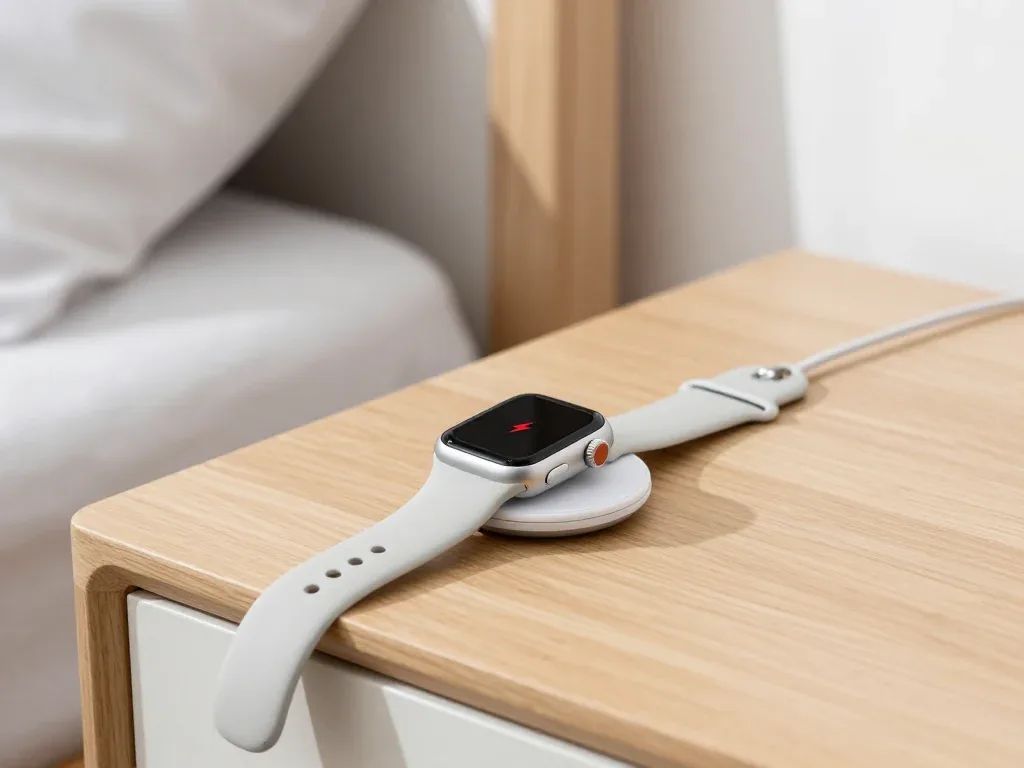
Owners usually describe the problem as a broken screen, yet two different jobs hide behind that phrase. Here is what a display assembly contains and when the top glass alone is enough.
Glass or the Whole Display Module
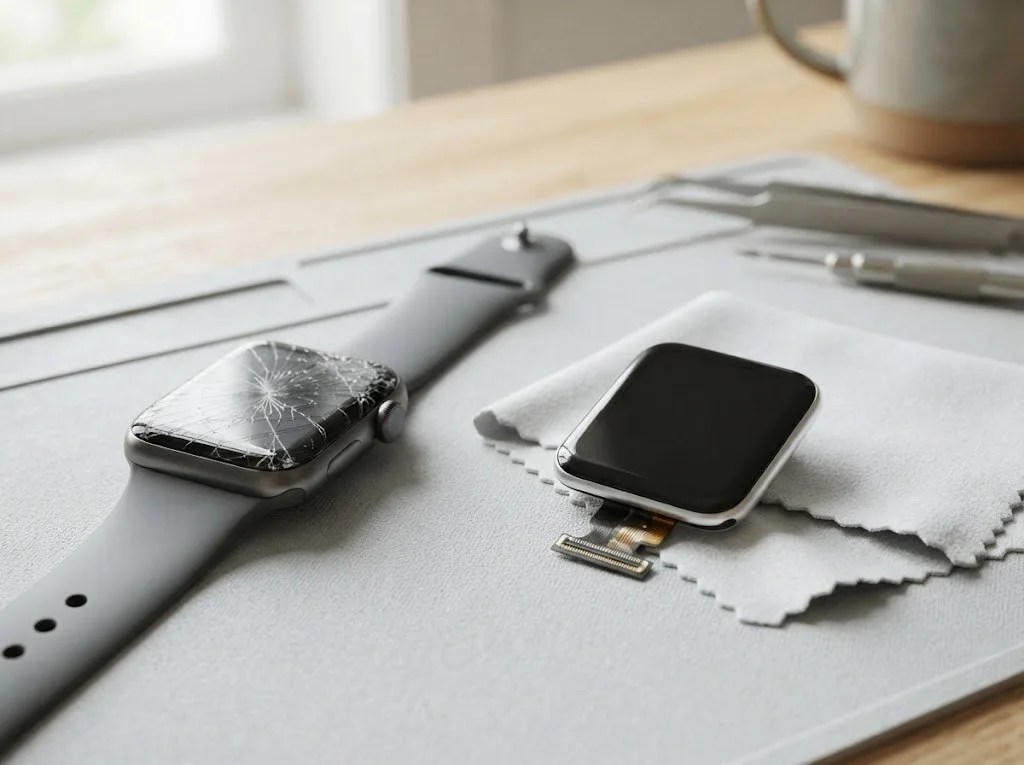
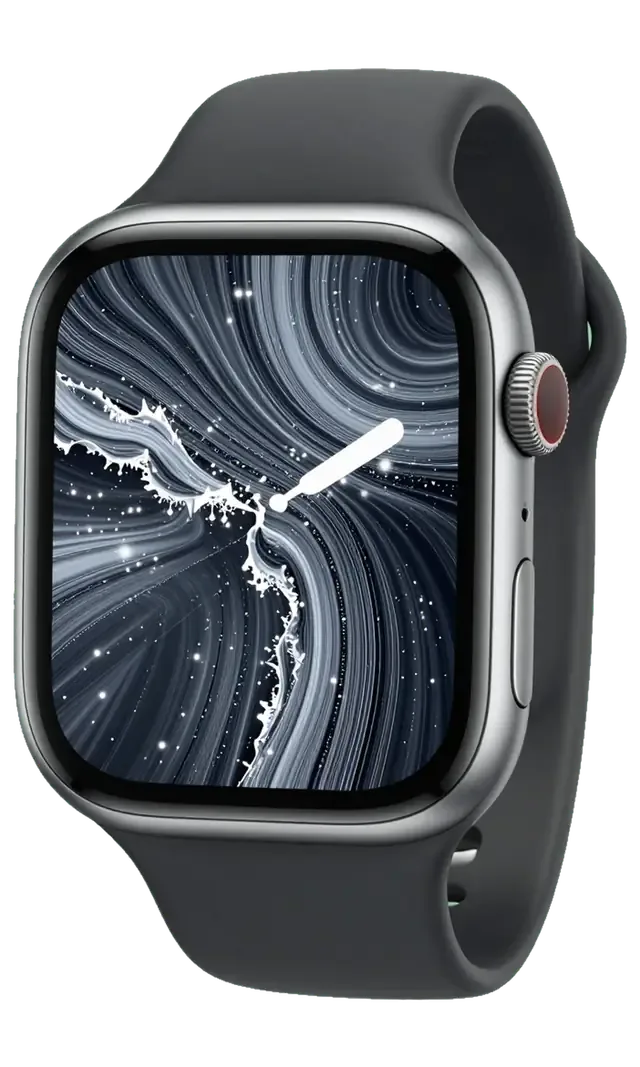
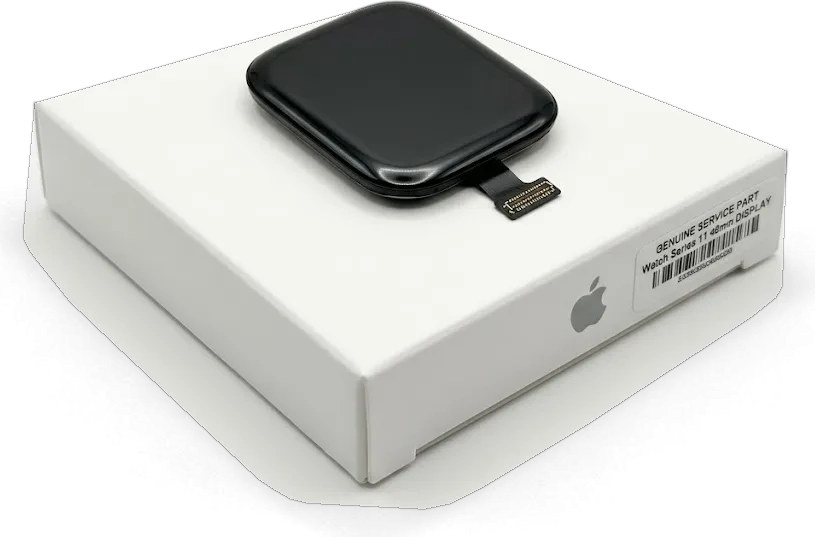
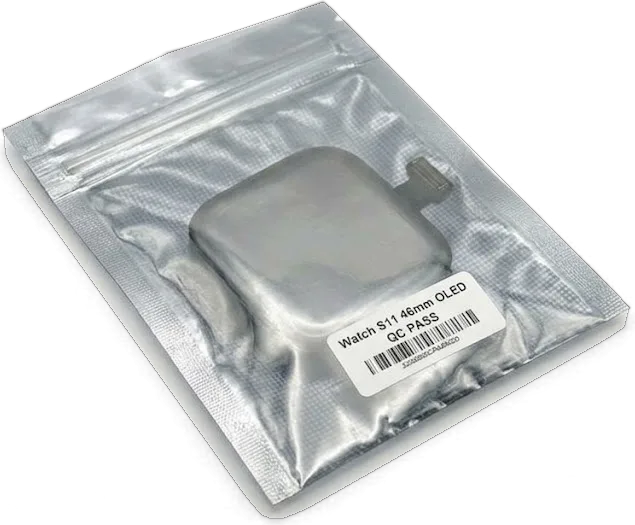
The screen unit is a single assembly of OLED panel, digitizer and front glass, so a crack that reaches the panel or the digitizer means the whole assembly is swapped, not just the top sheet. The digitizer sits directly under the front sheet and reads finger input across the entire surface, while the OLED panel below it produces the image. A fracture that stops in the front sheet and leaves input and picture untouched is the only case where a glass-only route is even discussed. A hairline split over a working digitizer can sometimes be handled as glass-only, but the technician has to confirm the OLED underneath is intact during diagnostics prior to promising that route. Ask for that confirmation before any work is booked, because a fresh assembly ordered for a hairline split is money spent on a component the watch did not need.
Why the Module Differs Across SE, Series and Ultra
- Case size: we order the assembly for the exact millimetre size, not just the family name.
- Generation: SE, Series and Ultra use different connector layouts and cannot share a component.
- Display type: Always-On panels differ from standard ones, so the variant is confirmed first.
- Model string: the engineer reads it from settings with you before the component is booked.
Original or aftermarket Apple Watch display replacement and how we prove it
The service comes with two part options, and the choice shapes how the screen behaves and how long it lasts. We show what separates them and how we prove the module you picked is the module you get.
Original and Aftermarket Side by Side
how the two display options compare| Parameter | Original module | Aftermarket module |
|---|
| Brightness and colour | Factory match | Close, may differ slightly |
|---|
| Touch response | Factory feel | Compatible, minor variance |
|---|
| Who picks it | 64% of our customers | Chosen for budget fit |
|---|
How We Show the Part Before Installation
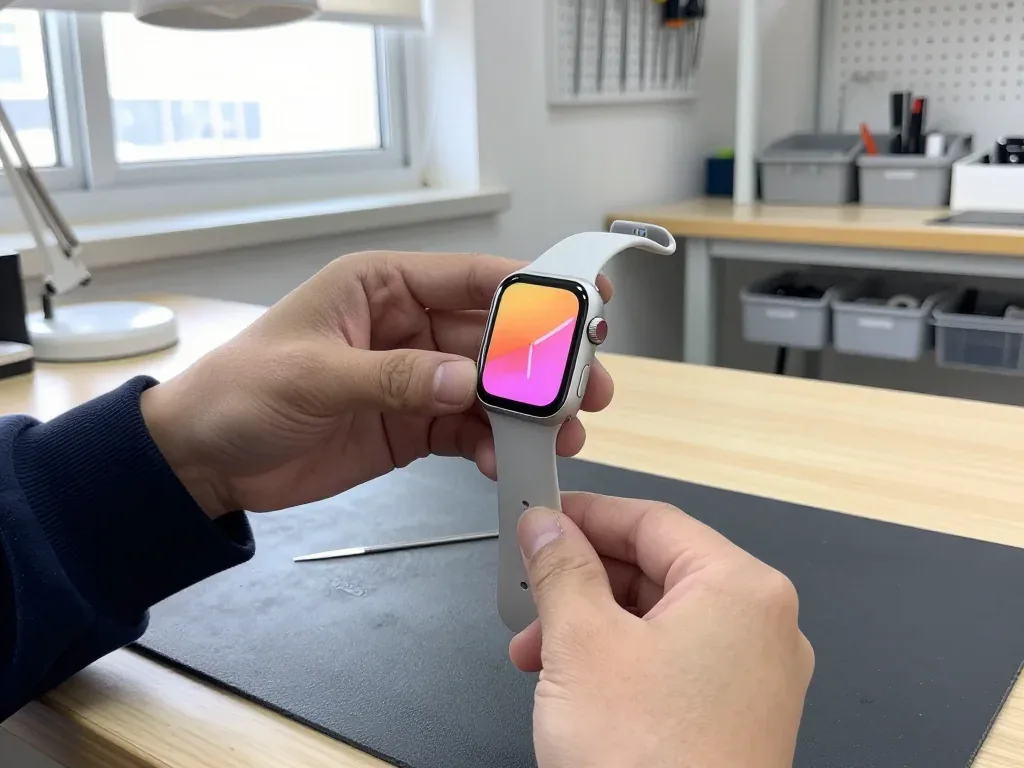
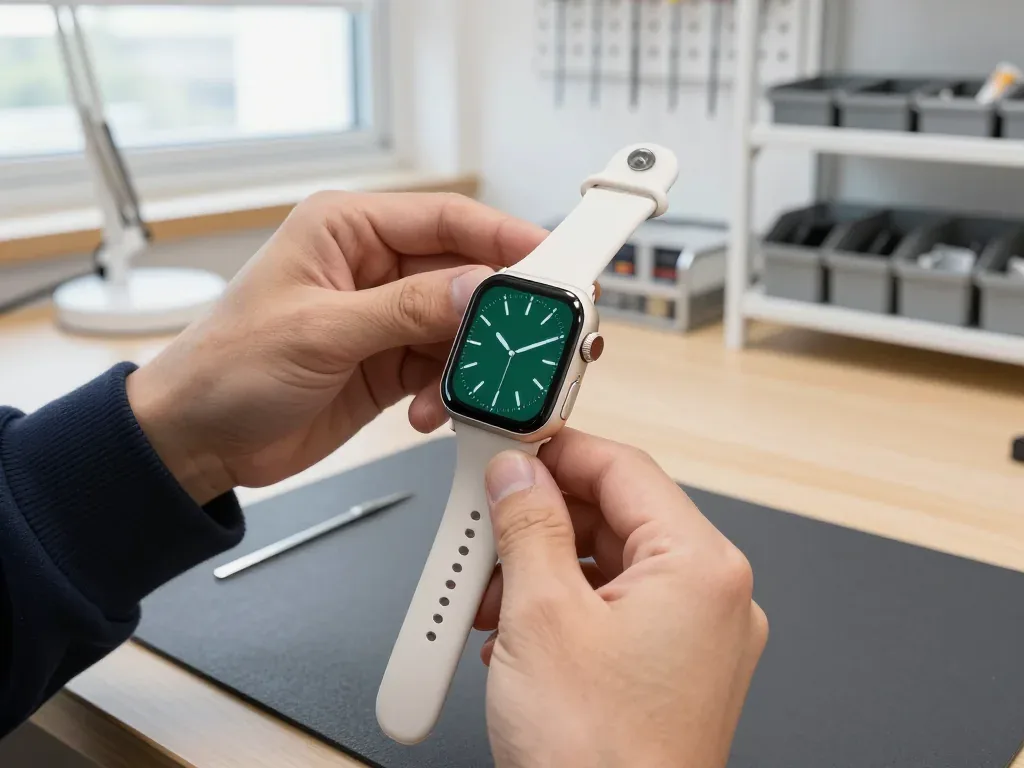
We open the new part in its factory packaging in front of you and let you inspect it before the technician installs anything. The engineer lays out the original or aftermarket module next to the old display so you can compare brightness, colour and touch response before the swap begins. We record the exact variant on the receipt, and that entry stays unchanged through the whole job — nobody swaps the component mid-repair. Eleven years in business and 46,000+ repairs have taught us that a sealed box shown up front removes most doubts before the work even starts. Seeing the sealed module first is what separates a real replacement from a refurbished unit, so ask to keep the packaging until the watch is back on your wrist.
How Touch, Sensors and Water Resistance Behave After the Swap
The biggest worry buyers bring to the counter is that the watch will feel worse after repair. Here is what actually happens to the input surface, the sensors and the sealing, and how we verify each of them.
Touch, Brightness and Always-On After Replacement
A correctly installed module restores the digitizer, auto-brightness and Always-On, and we confirm each of them together with you before the watch leaves the bench. The sensing layer sits on the display flex, so the panel and its connector are replaced as a single unit; once the flex is seated, taps and swipes register across the full surface, the edges included. The dimming and wake behaviour works on schedule because that logic lives on the same assembly. If the screen feels unresponsive right after pickup, it is almost always a seating issue on the connector rather than a dead panel, so report it the same day instead of waiting until the fault settles in.
What Happens to Water Resistance
We renew the adhesive seal when the display goes back on, which restores the factory gasket ring, though no service can promise the watch will behave exactly as it did when new. A fresh gasket and even pressure around the frame bring back the original barrier, but the rubber ages with every opening, and the housing itself carries wear from earlier drops. Treat a repaired watch as splash-resistant rather than swim-ready for the first weeks, and avoid pressing buttons underwater until the seal has fully cured. If you swim regularly, ask the engineer to inspect the gasket during diagnostics — a stretched ring shows up before it lets water in.
The Functions We Check With You
- Touch: every zone of the screen responds to taps and swipes.
- Always-On: the display dims and wakes as designed.
- Sensors: heart rate and wrist detection read normally.
- Microphone and speaker: calls and voice memos come through clearly.
- Charging and sync: the watch pairs with your iPhone and charges on the puck.
How the Display Replacement Runs From Photo to Pickup
The service is built so you do not part with the watch for long. Here is the full path from a messenger photo to the moment the device is back on your wrist, and where the time actually goes.
From a WhatsApp Photo to a Booked Slot
Send a photo of the damage on WhatsApp and an engineer replies within 5 minutes with a price and a free time slot. The quote is based on what the picture shows: model, crack pattern and whether the touch layer still responds. You can call a courier if travelling across the city is inconvenient, or bring the watch in yourself. An apple watch display replacement in Astana starts here, ahead of your visit, so nobody is guessing at the counter. A clear photo taken straight above the cracked glass speeds this up, because the engineer can judge whether the OLED underneath is likely intact prior to your trip.
Diagnostics and the Receipt Before Any Work
At the branch the engineer runs a free 15-minute diagnostics in front of you, then fixes the price, component, turnaround and warranty on the paperwork in about 2 minutes. You watch the whole check: the display unit is tested for dead zones, the crown and side button are pressed, and the seal is inspected for gaps. The part is either original or aftermarket, and the document names which one before anything is opened. Nothing is opened until that sheet is signed, so the quoted turnaround is the one you can hold the service to if the job runs long.
Waiting On Site and Getting the Old Part Back
- Turnaround: most display jobs finish in 20–40 minutes while you wait in the lounge.
- Waiting area: coffee and Wi-Fi are available during the repair, and 72% of our repairs end while the customer stays on site.
- Handover pack: receipt, warranty card and the old display come back with the watch.
- Old part: keeping it lets you compare the failed part against the new one later.
Warranty, Payment and Handover Terms
The last filter before you decide is usually the paperwork: what cover you get, how you pay, and how the watch returns to you. We put those terms in one place so you can check them before the visit.
What the Warranty Covers
Every display swap we carry out is backed for up to 1 year, written on the card you receive at handover. That document names the exact module fitted into your watch, the date of the work and the period it runs for, and it comes together with the receipt and your old display. Our technicians log the serial of the installed unit, so a request is matched to that specific part instead of the model in general. With 46,000+ repairs behind us over 11 years, any such request is handled by the same workshop that did the work, not passed to a third party. Keep both papers together, because a claim is processed against the exact item named there rather than against the watch model alone.
Payment, Courier and Seven-Day Intake
- Payment: Kaspi, card or cash at the counter, settled once you have checked the watch with the engineer.
- Intake days: devices are accepted 7 days a week, weekdays and weekends.
- Courier: a courier can be called if you cannot reach the branch yourself.
- Quote first: the pickup still starts with the same WhatsApp photo quote, so the price and slot are agreed up front.
Summary: Apple Watch Display Replacement
A display swap comes down to a few decisions you can verify before and after the work — component type, function checks, seal care and written terms.
- Two services, one decision. A cracked watch needs either the outer glass or the full module, and diagnostics settles which.
- The component is a choice. Original and aftermarket modules differ in brightness and tactile response, so the chosen option should be named in writing.
- Functions are checkable. Sensors, brightness, Always-On and responsiveness can all be tested on the spot right after the swap.
- Water resistance is renewed, not guaranteed. A fresh seal helps, but a repaired watch deserves splash-level care at first.
- Terms belong on paper. Warranty length, turnaround and the old module handed back are what make the job verifiable later.







 iPad
 MacBook
 iMac
 Mac mini and Studio
 AirPods
 Apple Pencil
 Apple TV
 HomePod