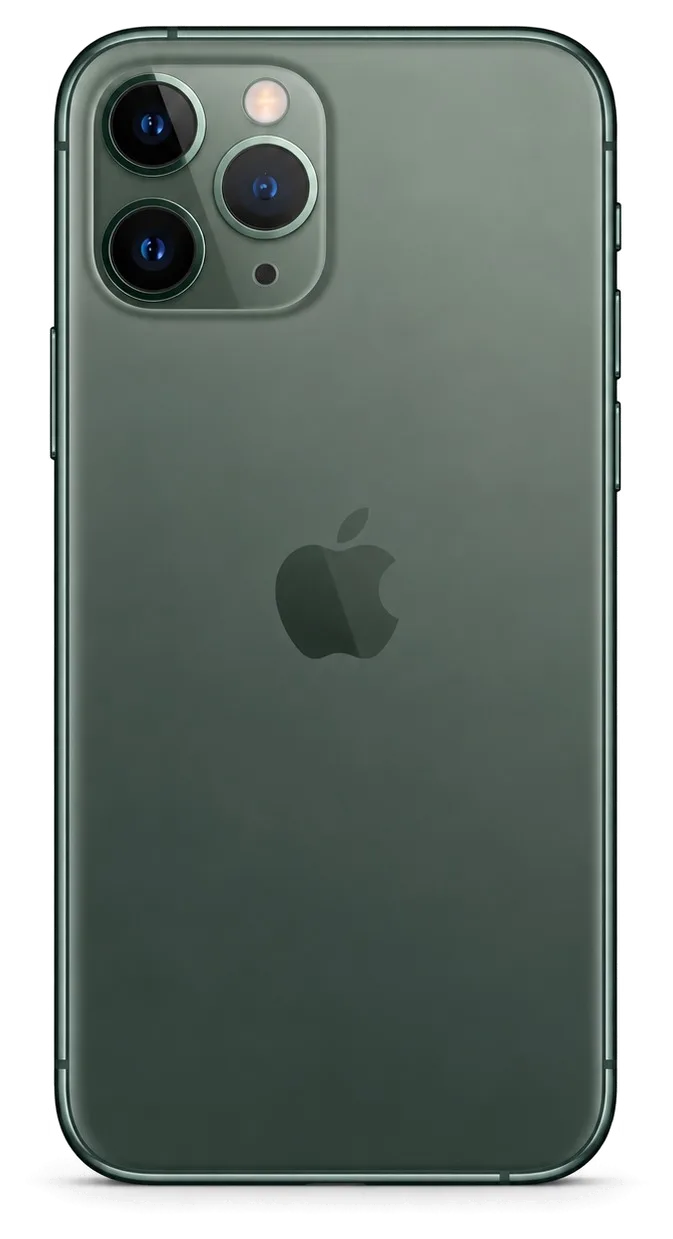
The 11 Pro Max is a large OLED phone with three cameras and a big battery, so its typical faults cluster around the screen, the charging port and the camera glass. Here is what we see most often.
The faults we see most on this model
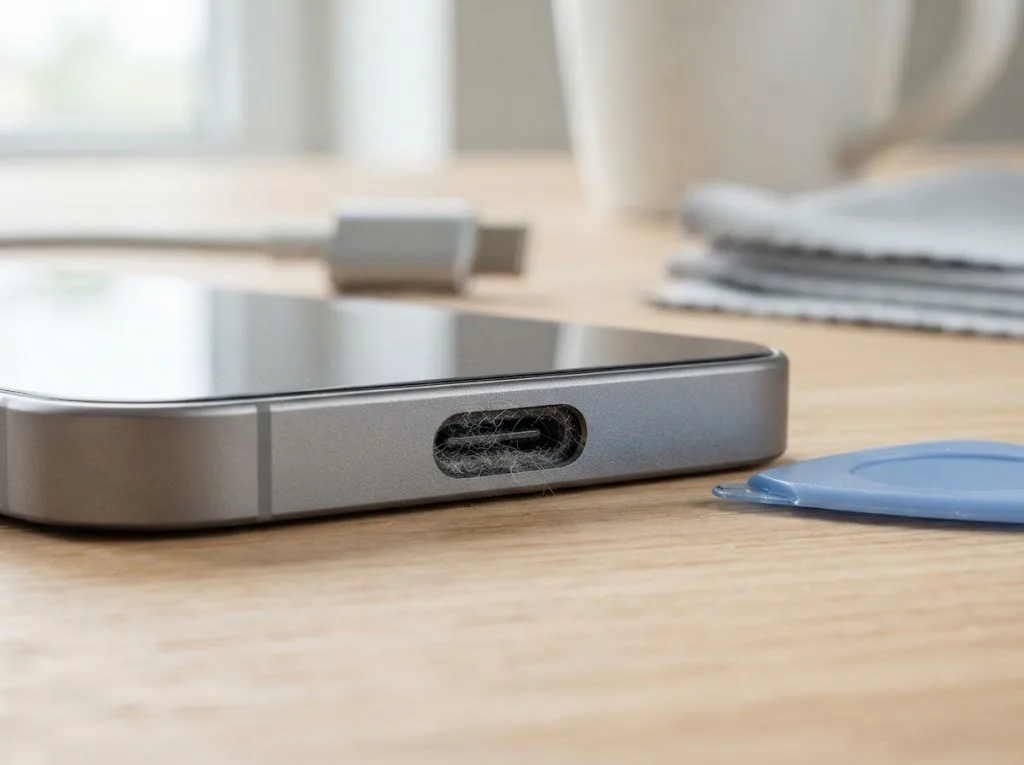
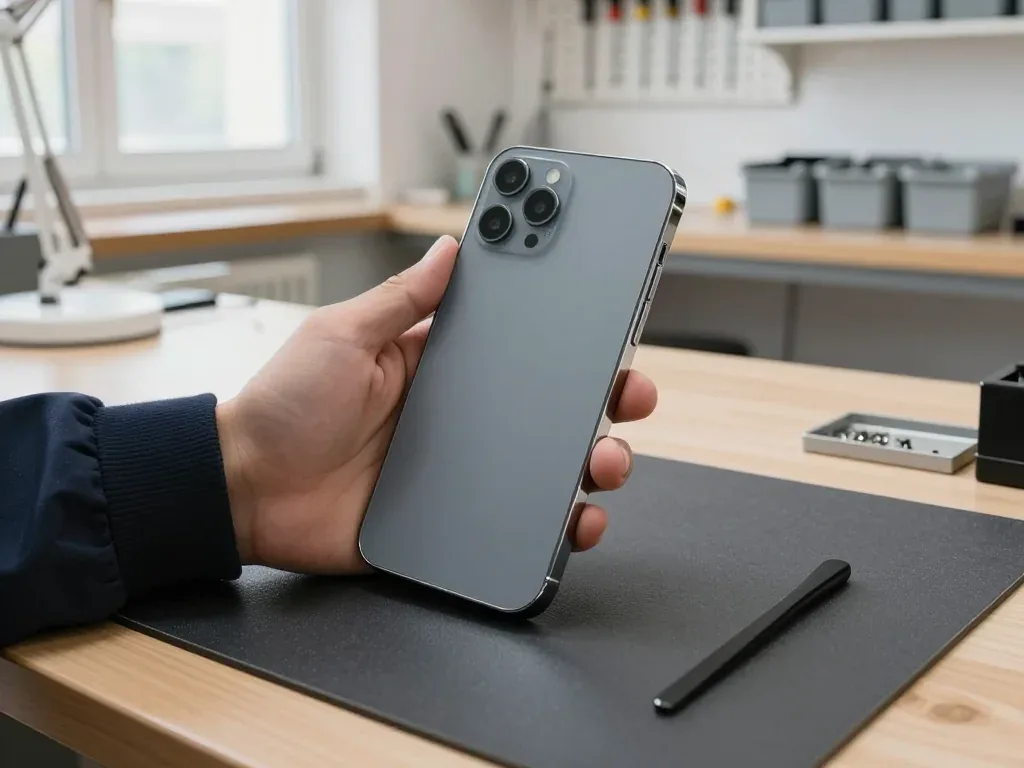
On this model we most often replace the OLED screen, the battery and the camera glass, and clean or swap the Lightning port. The triple camera sits behind a single sheet of glass, so one sharp knock on the corner takes out all three lenses at once. The stainless frame is heavy for its size, and that mass lands on the panel when the phone falls face down. The Lightning port collects pocket lint through years of daily plugging, and the contacts inside wear down until the cable only connects at an angle. A cracked camera lens is worth fixing early, because dust and moisture reach the sensor through the gap and turn a 20-minute glass swap into a full camera replacement. If you are looking for iPhone 11 Pro Max repair in Astana, this is exactly the kind of work we handle most often.
Symptom, likely cause and what we do
Symptom-to-part map for common faults| Symptom | Likely cause | What we do |
|---|
| Green lines or black patches | OLED panel damage | Replace the display module |
|---|
| Battery drops fast, shuts down early | Worn battery | Fit a new battery |
|---|
| Charges only at an angle | Dirty or worn Lightning port | Clean or replace the port flex |
|---|
| Blurry photos, cracked lens | Broken camera glass | Swap the glass, check the sensor |
|---|
| No sound on calls | Clogged or failed speaker | Clean or replace the speaker |
|---|
Why the big battery ages the way it does
The 11 Pro Max carries one of the largest cells in the 11 series, and after several years of daily charging its capacity drops enough to cause sudden shutdowns. A bigger cell holds more charge, but it also runs hotter during fast charging and heavy camera use, and heat is what wears lithium chemistry down. Owners who stream video or shoot on the triple camera all day push more cycles through the pack than someone who mostly messages. The phone then reports a healthy percentage and still dies at 20 percent under load, because the voltage sags before the gauge catches up. Check Battery Health in Settings before you book; if it reads low and the phone shuts down under load, the cell is the first thing to replace, not the board.
Screen Damage and What We Can Save
A cracked front is the most common reason people bring in an 11 Pro Max. The key question is whether only the outer sheet is shattered or the OLED underneath is damaged too.
Glass only or the whole display module
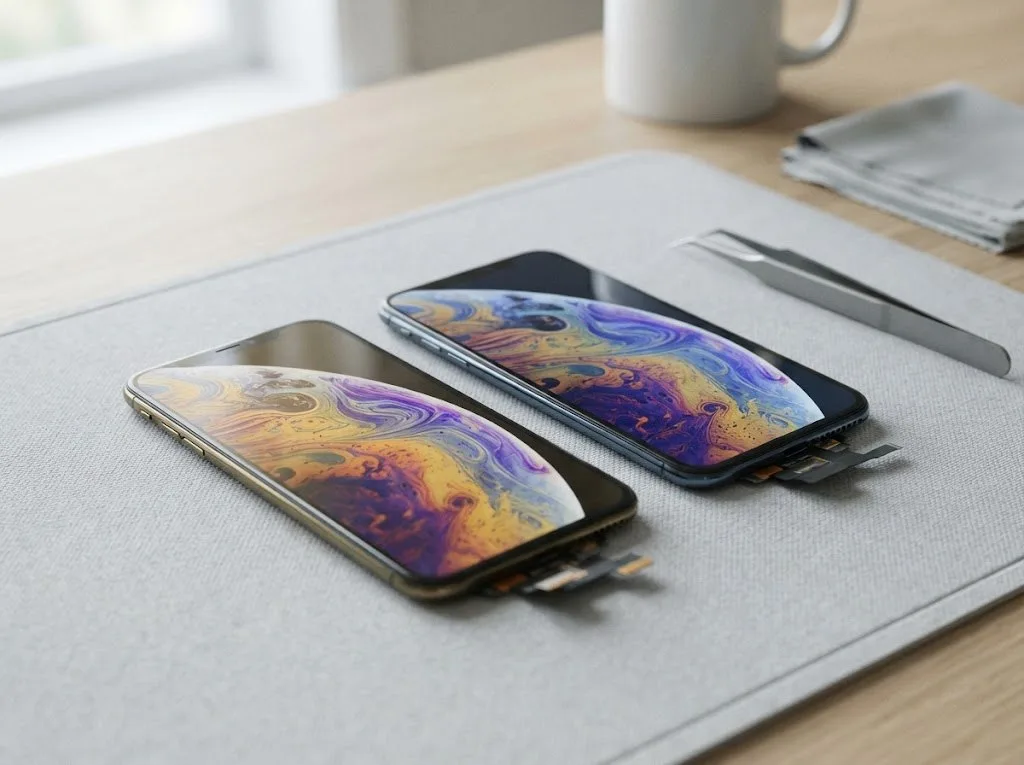
If the OLED matrix still shows a clean image and the touch works, we can often replace just the glass; if there are lines, dead zones or a black patch, the whole display module is replaced. The touch layer sits directly on the OLED, so a crack that reaches the matrix usually takes the panel with it. Protective glass absorbs part of the impact, but a drop onto a hard edge can still fracture the inner layer. A glass-only repair keeps your original panel and its factory calibration, which is why it is worth asking about before agreeing to a full swap. Ask the engineer to show you the panel under light while the quote is being fixed.
Will Face ID and True Tone survive a screen repair
Face ID keeps working after a screen repair because the TrueDepth module is a separate unit, and True Tone works once its calibration is transferred to the new display. The TrueDepth module sits above the panel and is moved across by hand, so the dot projector and infrared camera are never touched. True Tone depends on a calibration value tied to the original panel, and that value has to be written to the replacement. On some aftermarket panels True Tone cannot be restored at all, so if that setting matters to you, confirm the part type before the work starts. We test both functions with you at handover.
What the screen repair involves
- Diagnostics: the engineer checks the panel, touch and Face ID in front of you, free of charge.
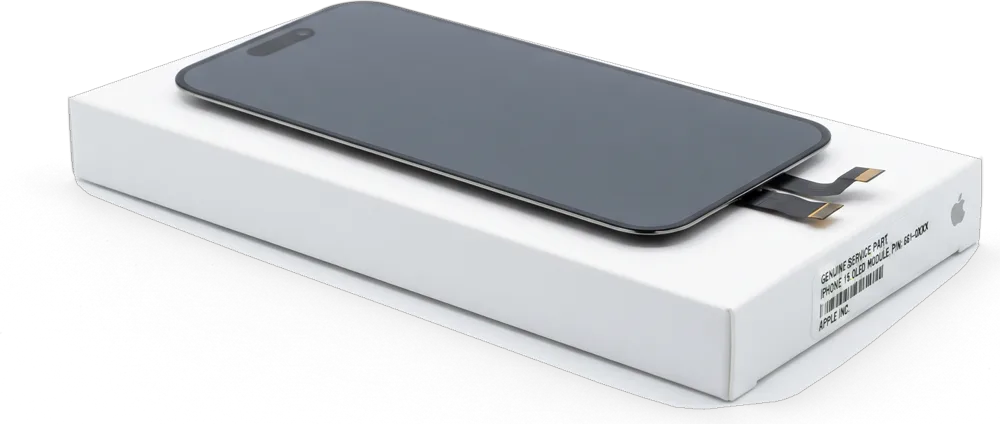
- Part check: the new display is shown in factory packaging while the receipt details are confirmed.
- Installation: the module is fitted and the frame resealed, a job that takes about 40 minutes.
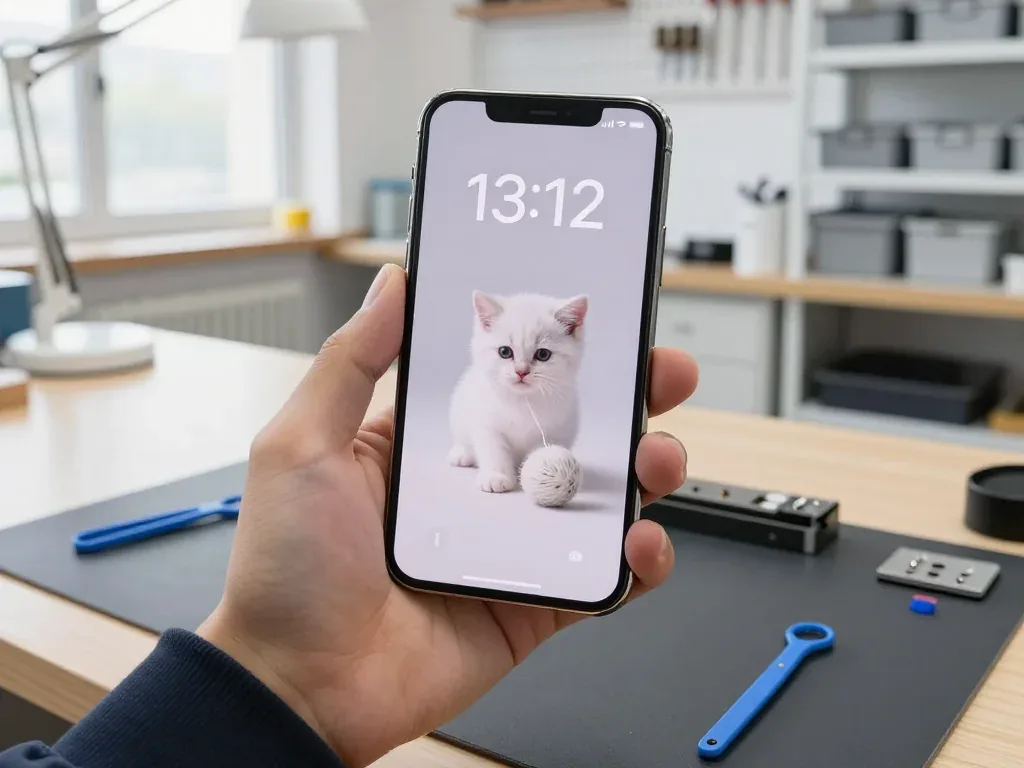
- Function test: True Tone, touch and brightness are verified together with you at the counter.
- Handover: you leave with the receipt, warranty card and the old part.
Original or Aftermarket Parts and the Functions You Keep
The component you choose decides which functions stay intact. Both options are legitimate, but they behave differently, and the choice is written on your receipt before work begins.
How original and aftermarket parts differ
how the two part options behave| Feature | Original part | Aftermarket part |
|---|
| True Tone | Works after calibration | May not work |
|---|
| Face ID | Unaffected | Unaffected |
|---|
| Part message | Usually absent | May appear |
|---|
| Fit and finish | Factory tolerance | Varies by supplier |
|---|
Which part most customers pick
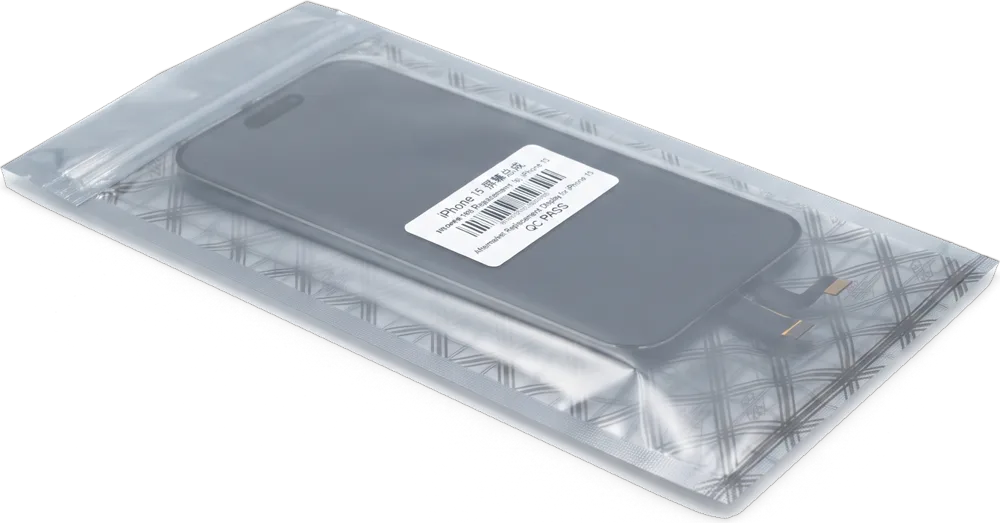
Around 64% of our customers choose an original component, mainly because it keeps True Tone and avoids the part message. The remaining share goes to aftermarket components, which we fit when the budget is tight or the phone is a spare. We fit both kinds under the same 25-40 minute turnaround, and the engineer shows the new component in factory packaging before installation so you see exactly what goes in. On an iPhone 11 Pro Max the display module is the component where the gap between the two options shows most, since True Tone depends on the pairing of screen and board. If you plan to keep the phone for years, the original component usually pays off; if it is a backup device, an aftermarket screen is a reasonable choice.
The part message explained
The part message is an indicator of the component type, not a fault, and it does not stop the phone from working. It appears because the phone compares the new component with its factory record, so it tells you what was fitted rather than that something is broken. On the iPhone 11 Pro Max the message shows up in Settings after a screen or battery swap and stays there until the component is paired. It does not affect calls, charging, cameras or network, and the device keeps running normally. The message is a label, not a defect — it records which component was fitted, so anyone servicing the phone later knows its history at a glance.
Charging, Battery and Camera Repairs
Beyond the screen, the 11 Pro Max most often needs help with charging, the battery or the camera glass. These are quick jobs when caught early, before a small fault spreads.
When the phone will not charge
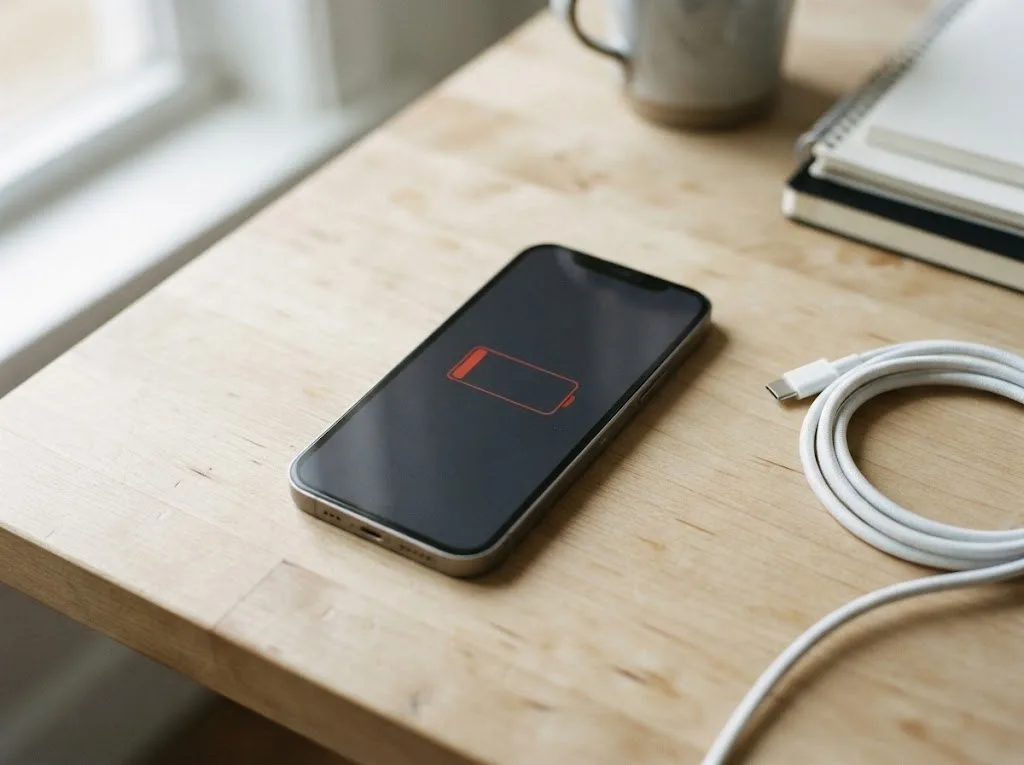
On the 11 Pro Max a charging fault is usually a dirty or worn Lightning port, and only sometimes a board issue, which the free diagnostics show in front of you. An engineer inspects the port under light, tries a known-good cable and checks the charging flex before touching the motherboard. A worn connector is cleaned or replaced; a damaged charging circuit goes to board-level work under the microscope. We do this in front of the customer, so the cause is named before any component is chosen. The 11 Pro Max still uses Lightning, so a cable that works on a newer USB-C phone will not fit here, and a worn cable can mimic a port fault — try a second known-good Lightning cable before booking a repair.
Battery replacement and what changes
A cell replacement on the 11 Pro Max takes about 25 minutes, and afterwards Battery Health reads fresh and sudden shutdowns stop. The old cell is a 3,969 mAh unit that has usually cycled for years, so the phone throttles and dies at 20–30% on cold days; a fresh one restores stable voltage under load. We show the new component in factory packaging before installation, then run the phone through a charge and discharge check. Bring the phone charged enough to check the health reading on arrival, so the engineer can compare the old value with the new one after the swap.
Camera glass and rear panel timing
Repair types compared by duration and waiting option| Repair | Typical time | Can you wait |
|---|
| Camera glass | 20 minutes | Yes |
|---|
| Battery | 25 minutes | Yes |
|---|
| Screen | 40 minutes | Yes |
|---|
| Rear panel | Longer, booked slot | Usually left |
|---|
How a Visit Works and What You Take Home
The visit is built around transparency, from the first message on WhatsApp to the moment you check the phone together with the engineer. Here is the order of steps and what goes home with you.
From a photo to a booked slot
Send a photo of the damage on WhatsApp and an engineer replies within 5 minutes with a price and a free time slot. The shot should show the cracked area straight on, in daylight, without a case — that is usually enough to identify whether you need glass only or the full display module on the iPhone 11 Pro Max. From that first contact to pickup, the whole process usually takes less than an hour, and 72% of jobs are finished while the customer waits in the waiting area, which has coffee and Wi-Fi. If you cannot come in, a courier can be called. A clear image of the broken zone lets us quote accurately ahead of your trip, so there are no surprises at the counter.
What the receipt fixes before work starts
Before any work begins, the price, the component, the turnaround and the warranty are fixed on the receipt in about 2 minutes. That single sheet records whether the replacement is original or aftermarket, how long the job takes — screen 40 minutes, battery 25, camera glass 20 — and the warranty of up to 1 year. The new unit is shown to you in its factory packaging ahead of installation, so what goes into the phone is what you agreed to. We are a direct contractor with our own technicians and workshop, not an agency, so the person who quotes your repair is the one who does it. Ask for the receipt prior to the technician opening the device — a written component type and turnaround is what protects you if the job runs long.
The 32-point check at handover
- Face ID and True Tone: confirmed working on the new module after a screen or display repair.
- Cameras and microphones: each lens and each mic tested for focus and clear sound.
- Speakers and charging: earpiece and loudspeaker checked, Lightning charging verified at the port.
- Network: signal strength and call quality checked on the carrier.
- Handover: receipt, warranty card and the old component go home with you.
Summary: iPhone 11 Pro Max Repair
The 11 Pro Max is a well-understood device, and almost every fault on it follows a known path from diagnosis to a finished repair. Here is what matters most when you decide.
- Screen faults: a cracked front, OLED lines and dead zones are the most frequent damage, and each has its own fix.
- Panel versus full module: repairing the front layer alone keeps the factory panel, while a full module swap is needed once the OLED shows lines.
- Genuine versus aftermarket: original components preserve True Tone and avoid the part message, whereas cheaper ones can drop some functions.
- Charging and battery: a phone that will not charge usually has a worn Lightning port rather than a board fault, and a cell swap runs about 25 minutes.
- Paperwork and checks: a written receipt plus a handover check of Face ID, True Tone, cameras and charging is what protects you after you leave.







 iPad
 MacBook
 iMac
 Mac mini and Studio
 Apple Watch
 AirPods
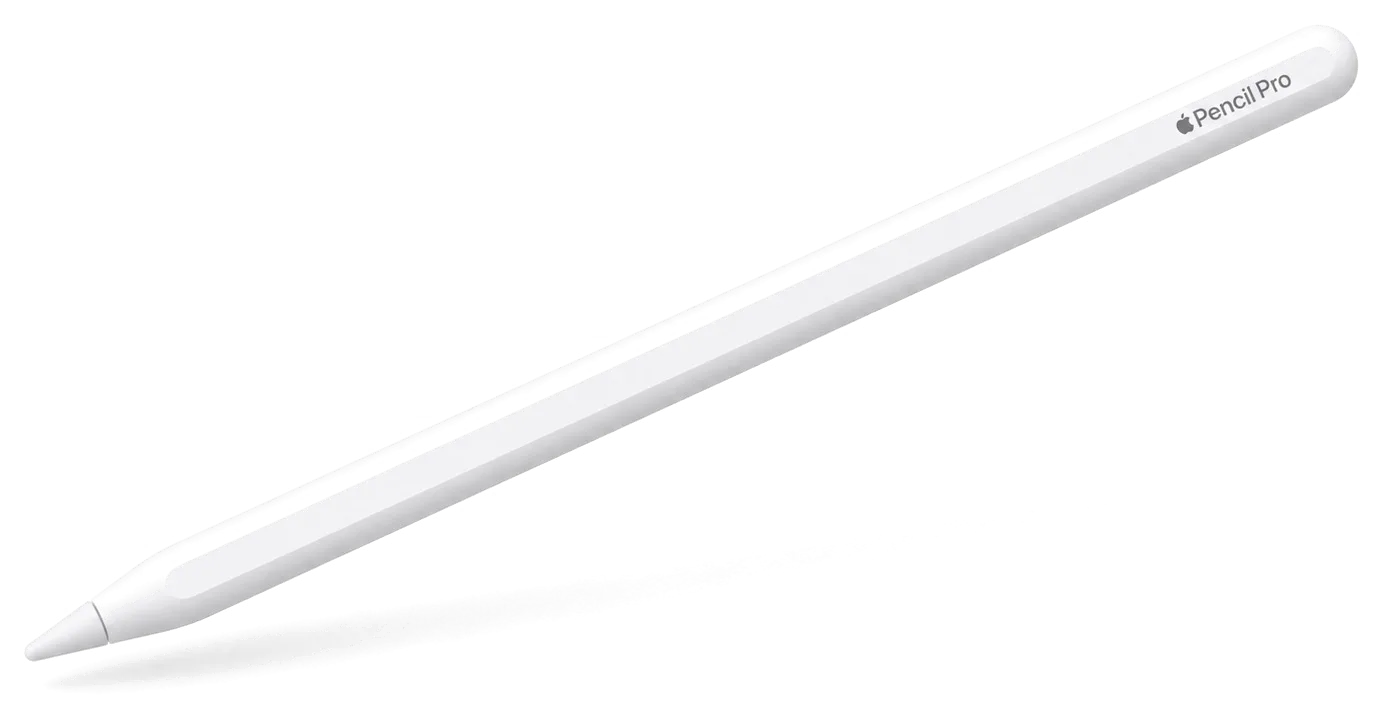 Apple Pencil
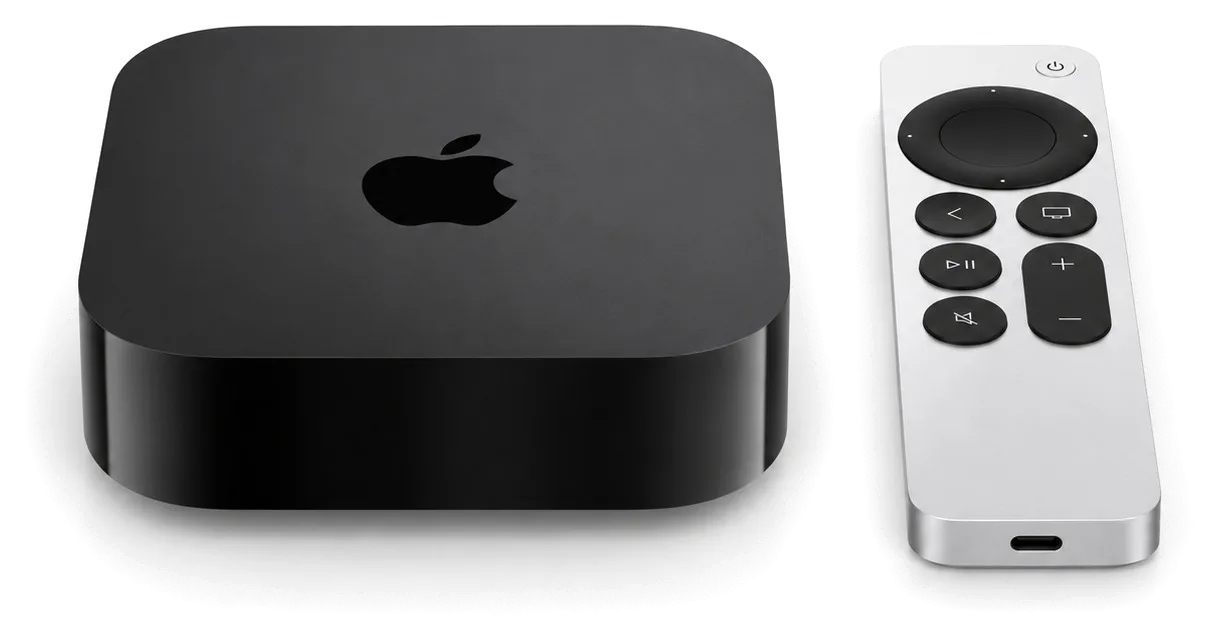 Apple TV
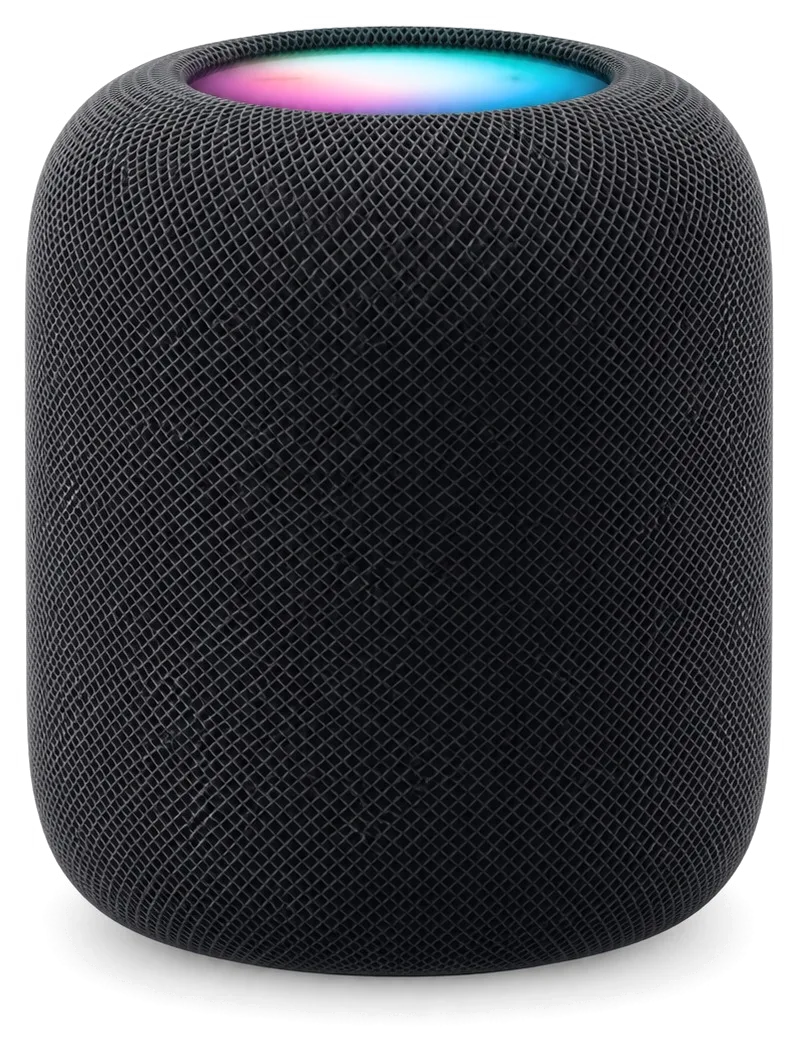 HomePod