The XS Max pairs an OLED panel, a stainless-steel frame and Face ID in one body, and those three components shape the repair patterns. Here is what owners bring us most often and how each case is handled.
A cracked OLED screen or dead touch
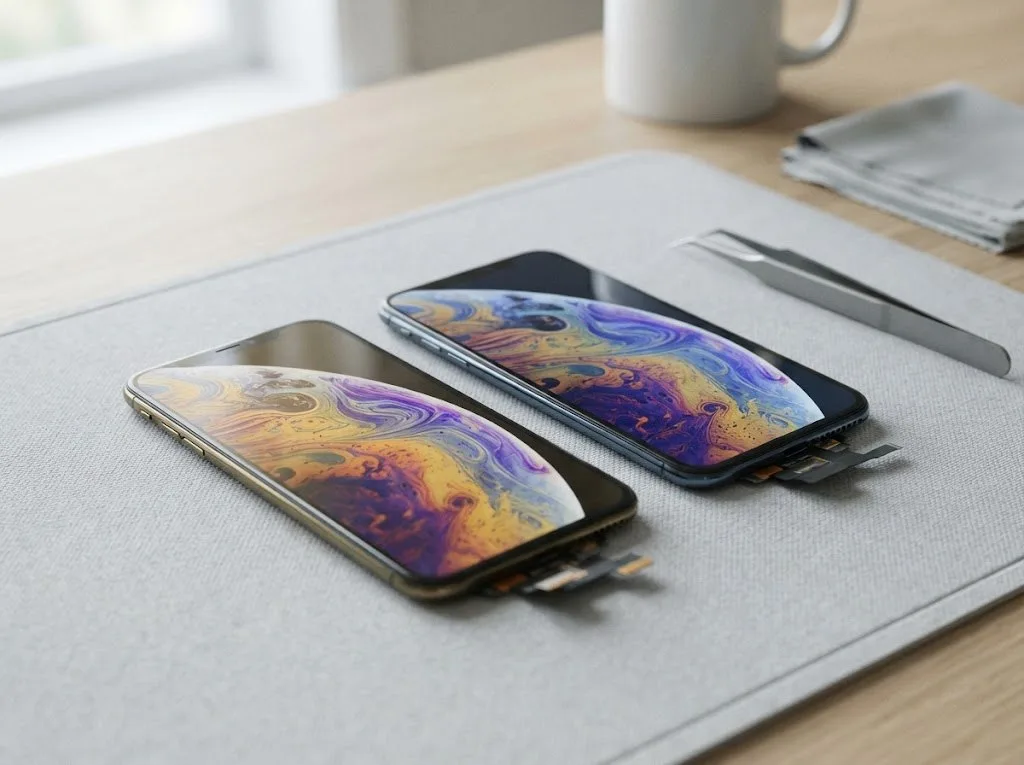
We swap the iPhone XS Max display module in about 40 minutes, and when just the front pane is cracked while the OLED matrix survives, diagnostics tell you whether a glass-only job is realistic. The module carries the OLED matrix and the touch layer as one unit, so a shattered top pane with a working panel differs from a dead touchscreen with an intact one. A green line, flickering picture, unresponsive touch strip or spiderweb cracks near a corner — every symptom belongs to its own layer; before giving a price, we strip the phone down in your presence and point out the failed component. A green line or a flickering panel means the matrix itself is damaged, so a glass-only swap will not help — the whole module has to be changed.
Battery wear and charging that stops working
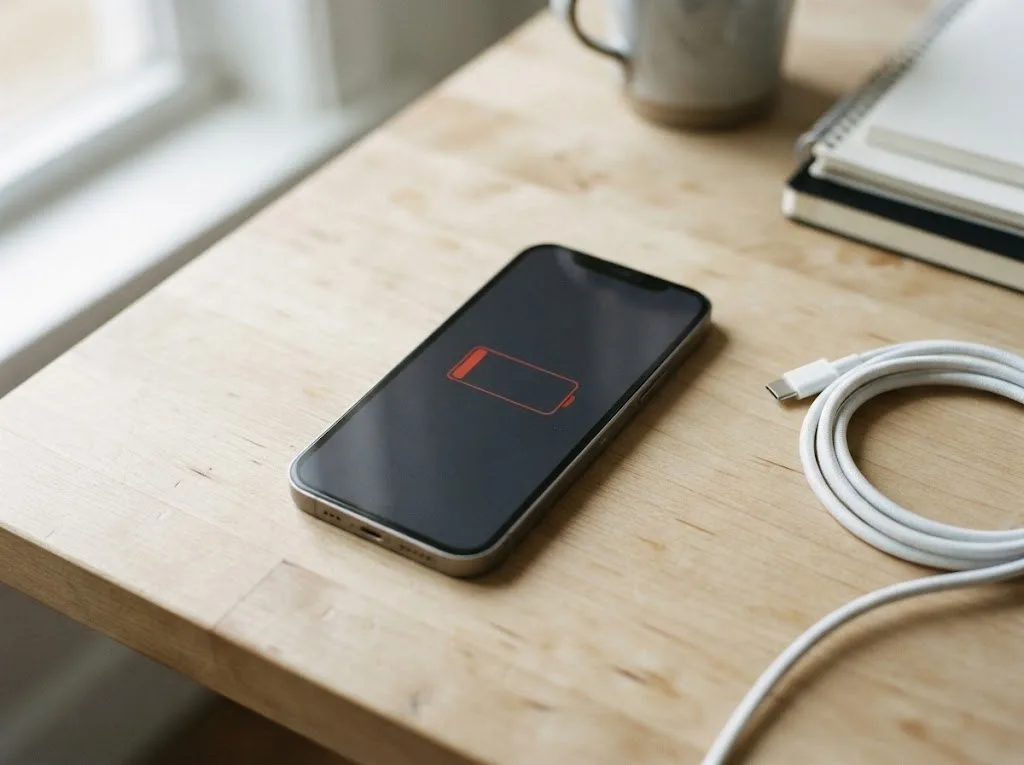
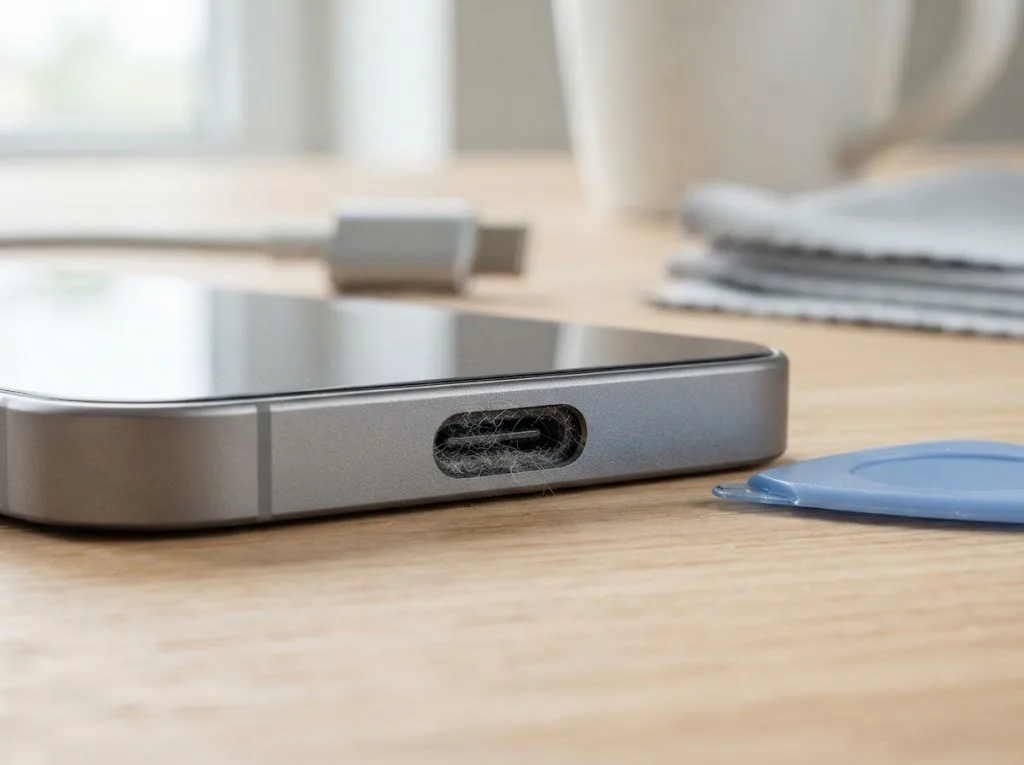
A cell swap on the XS Max takes 25 minutes, and we test the Lightning socket and cable separately because a dirty or oxidised connector often mimics a dead pack. Power reaches the board through a flex cable, and that cable fails after repeated plugging or moisture. Owners describe two typical patterns: the phone dies at 30–40% under load, or it charges just when the cable sits at a certain angle. Both arrive as a power fault and turn out to be different problems. If Battery Health shows a low maximum capacity and the handset shuts down under load, the cell is worn; if it charges at one angle, the socket or flex is the culprit.
Symptom, cause and what we do
matching common faults to the part that fixes them| Symptom | Probable origin | What we do |
|---|
| Flicker or green line on the display | Damaged OLED matrix | Swap display module |
|---|
| Needs wiggling the cable to charge | Dirty or oxidised Lightning port | Clean or renew port flex |
|---|
| Shuts down under load | Worn cell | Fit new pack |
|---|
| Blurry photos, cracked lens | Broken camera cover | Renew camera cover |
|---|
| Muffled calls, weak speaker | Blocked mesh or speaker | Clean or renew speaker |
|---|
| No haptic feedback | Faulty Taptic Engine | Diagnose and renew |
|---|
Will Face ID Keep Working After the Repair, and Will True Tone
Three things an iPhone XS Max owner asks about first after a swap: the face unlock, the colour tone, and water protection. Here is what survives, what hinges on the component, and what changes once the case is opened.
Face ID after a screen replacement
The TrueDepth unit is mounted separately from the screen assembly, which is why unlocking continues to function once a new panel is fitted; before you go, our team runs the attention check and unlock test together with you. Neither the infrared camera nor the projector belongs to the OLED layer — both sit in the upper bezel, so broken glass or a touch surface that stopped responding leaves them untouched. We move the original TrueDepth module across to the fresh assembly, run a scan with your own face, and confirm the lock screen opens on the first try. If the unlock already failed beforehand, a new screen will not bring it back — that points to the TrueDepth module or the board, which is a different job with its own timeline.
True Tone and the part message
True Tone works on a new screen after the calibration is transferred, and on some aftermarket panels it may not, so we check it in front of you at pickup. The ambient light sensor and the calibration data travel together, and a panel that arrives without a matching calibration file leaves the image stuck in a cool tone. We open Settings, toggle the feature on and off, and let you see the shift from warm to neutral before you sign anything. A component notice on the XS Max is an indicator of the type fitted, not a fault — the phone still works, and we explain what it means before you decide which one to take.
Water resistance after the case is opened
Once the XS Max case is opened, factory water resistance is no longer guaranteed, even when the seal is re-glued. The IP68 rating was set on a factory glue line applied under controlled pressure, and a hand-applied gasket in a workshop cannot reproduce that bond across the whole perimeter. Every opening — a panel swap, a battery change, a camera glass job — breaks the original seal, and the fresh adhesive restores dust protection far better than it restores water protection. Treat the handset as splash-resistant only after service — avoid swimming and steamy rooms, and if it does get wet, bring it in before charging it.
Picking a Genuine or Third-Party Part for iPhone XS Max
The component you pick is the biggest decision an XS Max owner makes. Below is how genuine and aftermarket options differ on the functions that matter, and how that choice gets locked in ahead of any work.
How the two component types differ in practice
Function-by-function look at both options| Feature | Original | Aftermarket |
|---|
| True Tone | Works after calibration | May not work on some panels |
|---|
| Face ID | Unaffected | Unaffected |
|---|
| Display quality | Matches factory | Close, varies by batch |
|---|
| Component notice | No message | May show a notice |
|---|
Just the glass, or an entire display module
Where the touch layer and OLED matrix remain undamaged, our XS Max service can swap the glass alone; diagnostics confirm whether that applies before we name a price. A glass-only job keeps the factory panel, so True Tone and colour behave exactly as they did, and the phone stays with you for a shorter visit. The catch is that the top layer shields the OLED matrix — it does nothing for lines, flicker or a dead touch zone, which live inside the module itself. When the matrix is damaged, swapping the surface alone leaves the fault in place. We open the device, test the touch grid and look at the panel under light before recommending either route, so you are not paying for a cosmetic fix on a broken screen.
How your choice is fixed before work starts
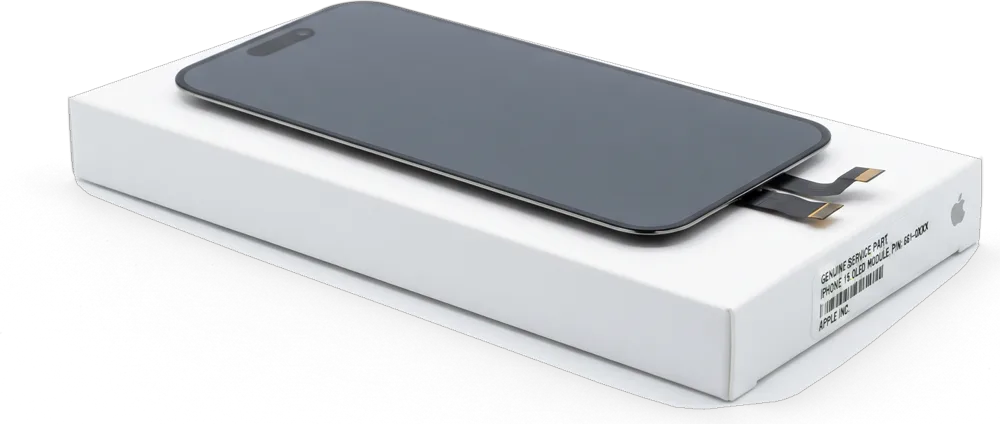
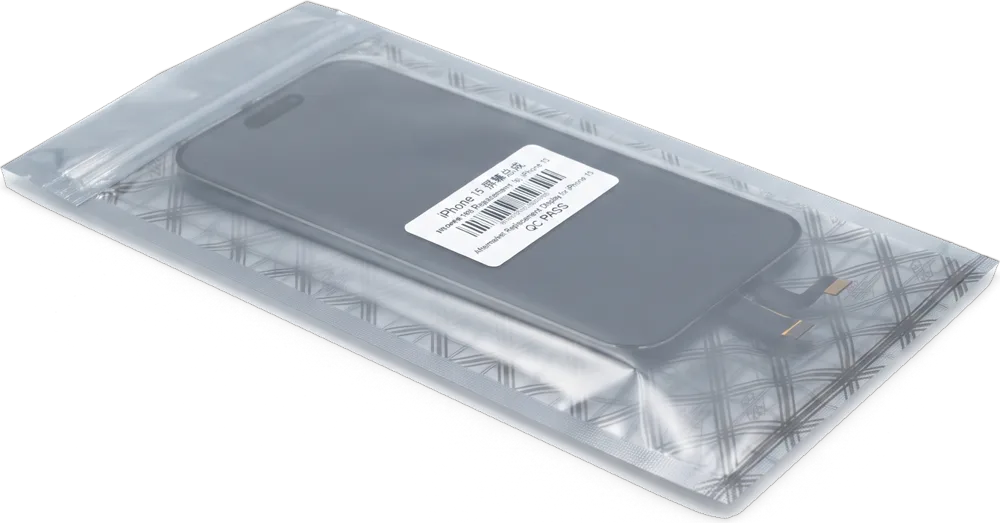
Before any work begins, roughly 2 minutes go into writing the component type, fixed price, warranty and turnaround onto the receipt. Prior to fitting, the replacement is unwrapped from factory packaging in front of you — batch and label are there to inspect, not merely promised. If you pick an aftermarket screen, that wording goes on paper too — nobody can later pass it off as genuine. Many repairs complete on the spot: 72% wrap up right in the lounge, where coffee and Wi-Fi are available. Keep the receipt and the old component: they are your proof of what was installed if anything comes up later.
How Long the iPhone XS Max Repair Takes in Astana
Timing depends on the fault. Below we show what is done during a single visit, how the intake works and what to prepare before you hand the device over.
Turnaround by job type
Typical durations per repair type and on-site waiting| Job | Usual duration | On-site waiting |
|---|
| Replacing the screen | 40 minutes | Yes |
|---|
| Replacing the battery | 25 minutes | Yes |
|---|
| Glass for camera | 20 minutes | Yes |
|---|
| Repair of board | 1–3 days | No |
|---|
From WhatsApp photo to pickup
Just message us a picture of the damaged area on WhatsApp — an engineer answers with a quote in about 5 minutes, and from that first message until you collect the device, iPhone XS Max repair in Astana typically takes under an hour. Using the image, our specialist prepares a quote, reserves a no-cost slot, and about 2 minutes before starting work puts part, warranty and turnaround on the receipt. Replacement parts arrive sealed in factory packaging, and 72% of jobs wrap up on the spot while the customer relaxes in the lounge over coffee with Wi-Fi. A courier can be called, and payment goes by Kaspi, card or cash. A well-lit picture makes quoting faster — it helps our engineer distinguish a glass-only swap from a full module replacement before you come in.
What to do before you hand the phone in
- Back up first: use iCloud or a computer so your photos and chats are safe.
- Note your Apple ID password: you may need it if the phone is reset.
- Turn off Find My iPhone: this avoids activation locks after service.
- Passcode, please: testing Face ID and other functions requires it.
- Bring the charger: it helps confirm the charging fault is fixed.
- Flag a dead screen: if you cannot back up, say so — data-safe handling is part of the job.
Handover Checks and What Goes Home With You
A repair does not end when the new component goes in. We show you what gets tested together with the engineer and what stays in your hands once the device is returned.
The 32-point check we run together
After the repair we check 32 functions in about 10 minutes, and you go through Face ID, True Tone, cameras, microphones, speakers, charging and network with the engineer. The list is not a formality: each item runs live on your device while you watch the screen respond. Face ID unlocks in a second or refuses outright, True Tone shifts the white balance as the light changes, both cameras focus and record, and the microphones pick up a normal voice at arm's length. We plug in a charger, watch the percentage climb, drop in a SIM and confirm the network registers. Testing together catches a loose connector or a weak speaker before you leave, which is far quicker than coming again later.
Old component, warranty and receipt
Along with the phone you receive the removed part, a warranty card valid up to 1 year and the receipt — so the replacement is fully transparent. What you get is not a till slip but a receipt: it states the spare part, how long the job takes and the warranty period — every one of these settled before work begins and identical when you collect. The worn or broken item travels home with you in a small bag: the cracked display module or the tired battery you handed in. Keep it — it confirms the swap and can be refitted if a claim ever needs the original returned. The card carries the same term in writing, and the engineer walks you through what it covers on the spot.
Why a direct repairer matters
iServices handles repairs itself: in-house specialists and a company-owned workshop, with no middlemen or aggregator involved — meaning the technician who gives you the iPhone XS Max repair price in Astana also performs the job. That matters when something needs a second look: there is no handover between a call centre and a third-party bench, and no split responsibility for the hardware. Payment is simple too — Kaspi, card or cash — and if you cannot come to the workshop, a courier can be called to collect the device. With a middleman the phone travels between parties and the coverage is split; with a direct repairer one team answers for the component, the work and the guarantee.
Summary: iPhone XS Max Repair
A short recap of what decides the outcome on this model: the symptom, the component, the functions you check and the paperwork you keep.
- Match the job to the symptom: a green line points to the display module, a cracked lens cover means camera glass — the fix follows the cause, not the name.
- Ask about functions: Face ID survives a screen swap, True Tone depends on calibration of the new panel, water resistance is never guaranteed once the case is opened.
- Choose the component knowingly: original and aftermarket assemblies differ mainly in True Tone and display quality, so settle the question before work begins.
- Plan around timing: screen, battery and camera glass are finished while you wait, while board-level work runs into days.
- Keep the paperwork: the receipt, warranty card and the replaced item are your proof of what was installed and what is covered.







 iPad
 MacBook
 iMac
 Mac mini and Studio
 Apple Watch
 AirPods
 Apple Pencil
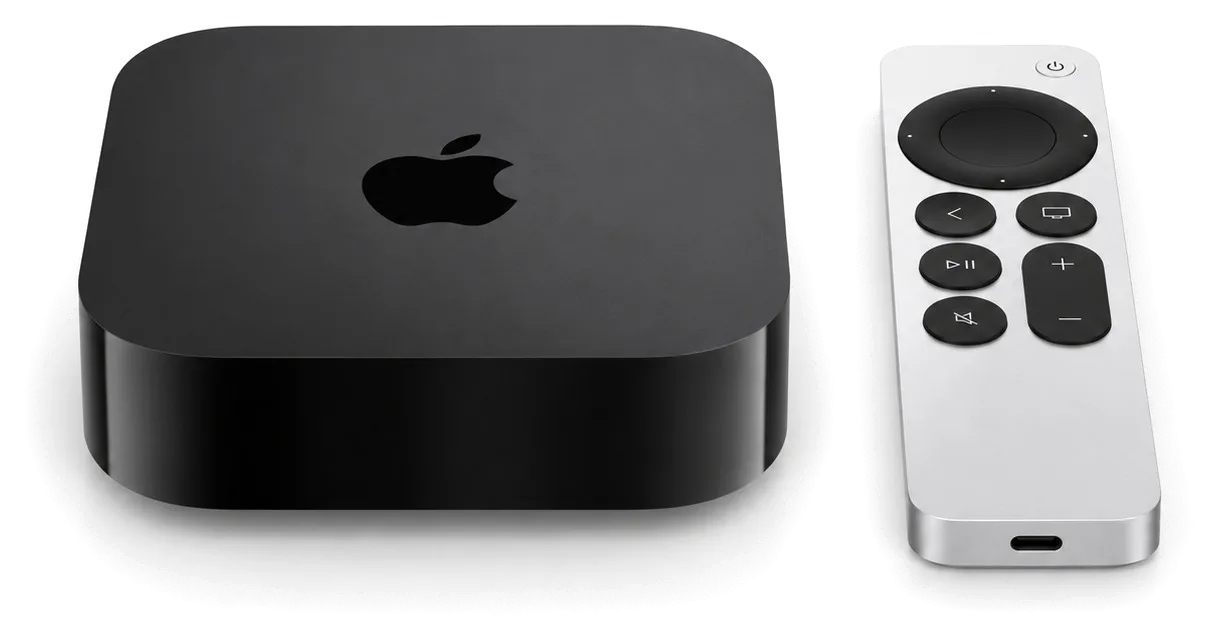 Apple TV
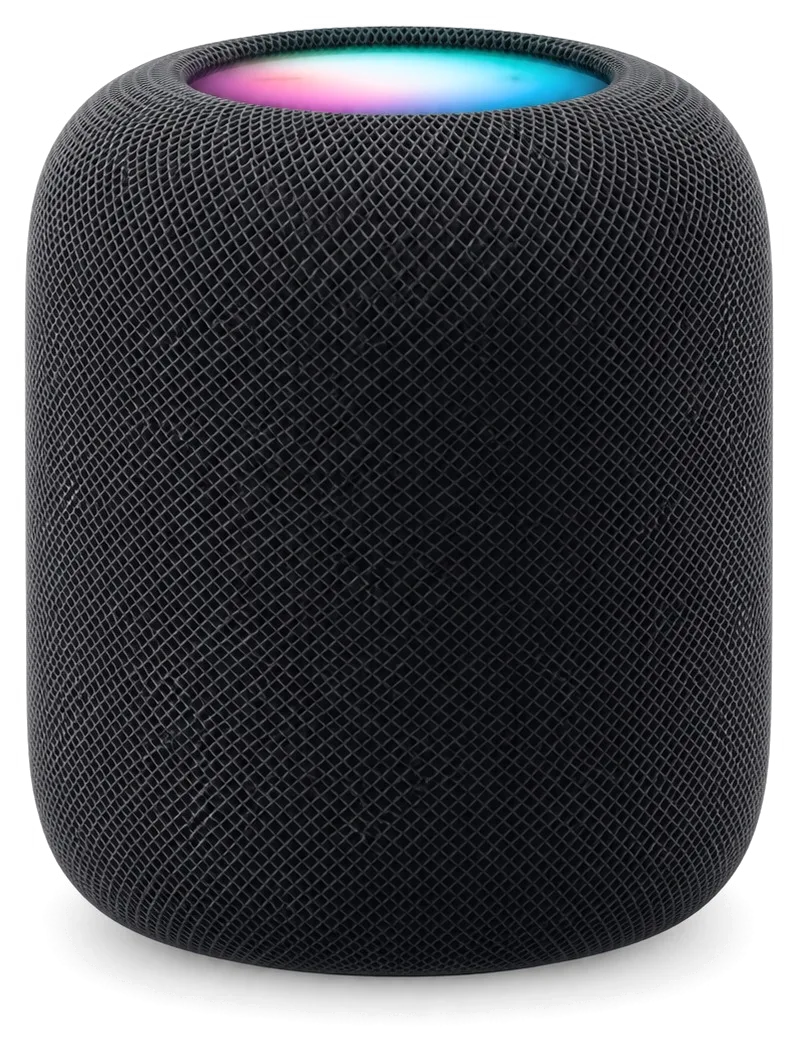 HomePod