The 13 Pro Max is a heavy phone with a large OLED panel and ProMotion, so drops and battery wear show up first. Here is what owners bring us most often and what each symptom points to.
Cracks, Lines and Touch That Stops Responding
A cracked 13 Pro Max screen is the most common job we take, and in most cases the OLED matrix still works, so the question is the outer layer versus the whole module. The display on this model combines a protective sheet, the OLED matrix and the digitiser that reads touch, and ProMotion drives it at up to 120 Hz. A hairline crack with a clean image usually means only the outer layer suffers, while green lines, black patches or a bright spot point to damage inside the matrix. Touch that dies in one strip while the picture stays perfect is a different story: the digitiser has failed, not the OLED. If touch dies in one strip but the image is clean, the sensor layer is damaged, not the panel, and that changes which repair makes sense.
Battery Wear and Charging That Stops Working
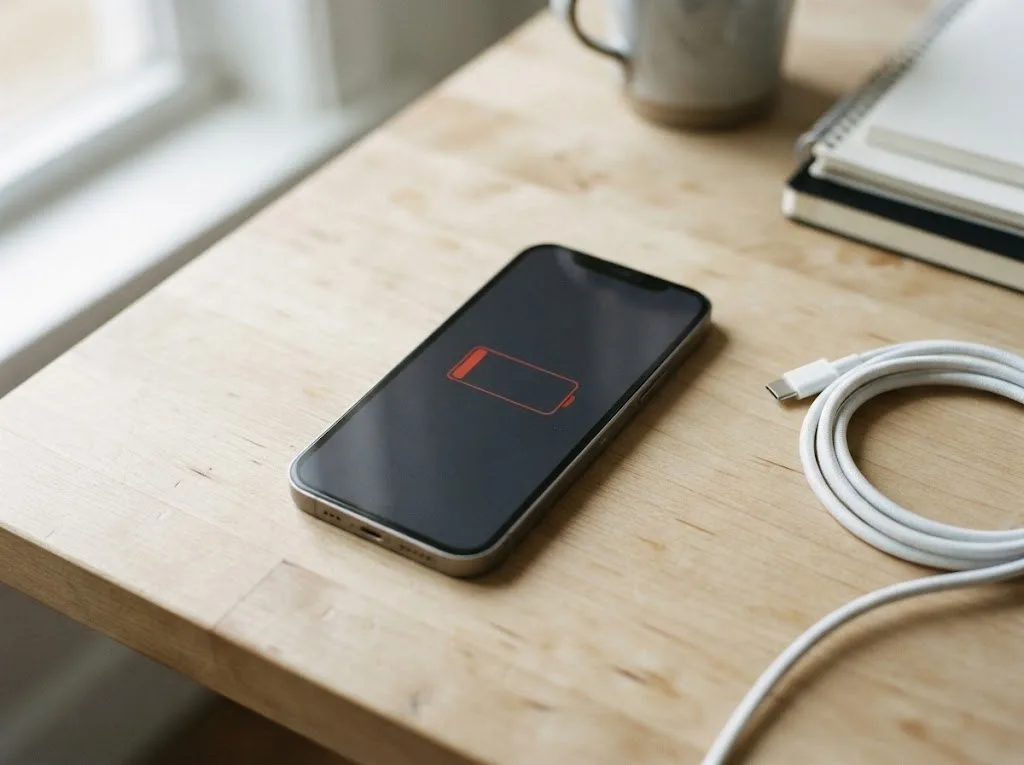
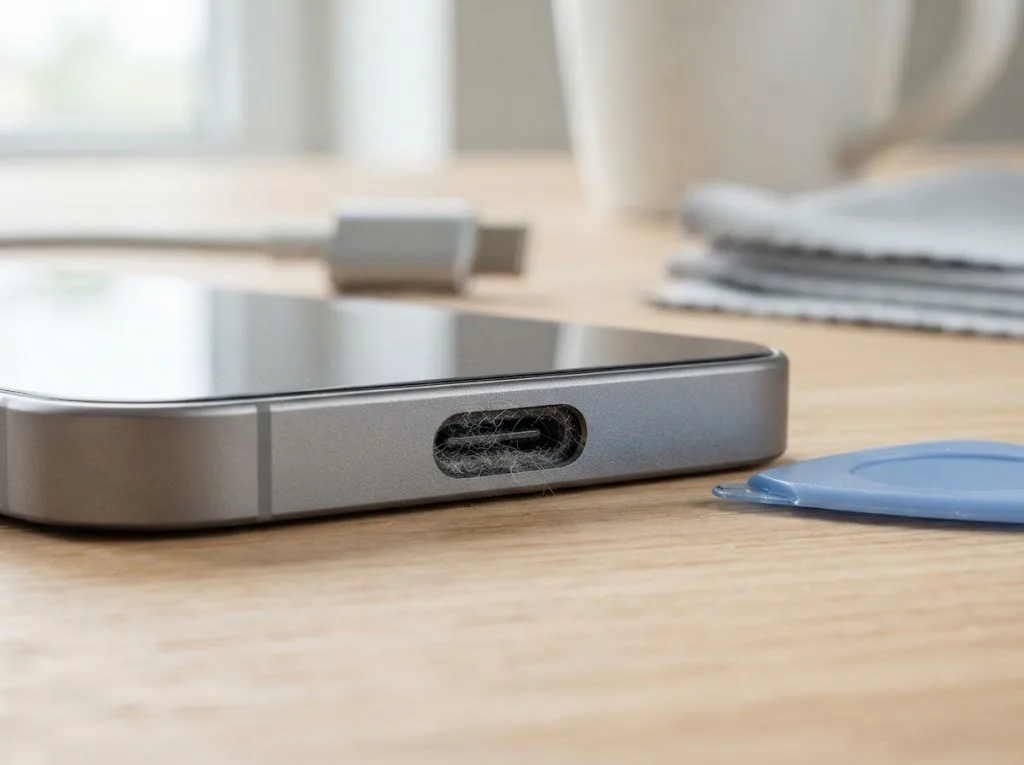
A 13 Pro Max that dies by midday or refuses to charge usually has either a worn battery or a dirty, oxidised Lightning port, and free diagnostics in front of you separates the two in about 15 minutes. The cell loses capacity with charge cycles, so a phone that shuts down at 20% or heats up under load is telling you it is tired. The Lightning connector passes current to the power controller, and lint packed into the port or oxide on the pins blocks that flow long before the controller itself fails. A port that charges only at a certain angle is almost always lint or oxide, not a dead board, so cleaning often avoids a bigger repair.
Cameras, Camera Glass and the Back Panel
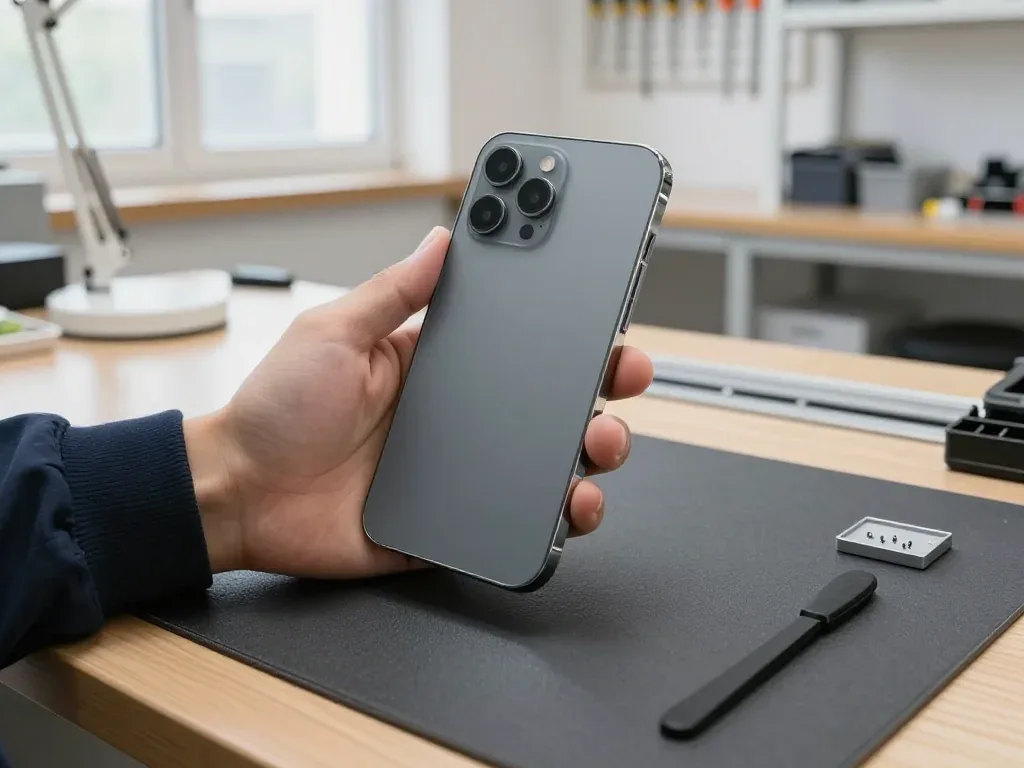
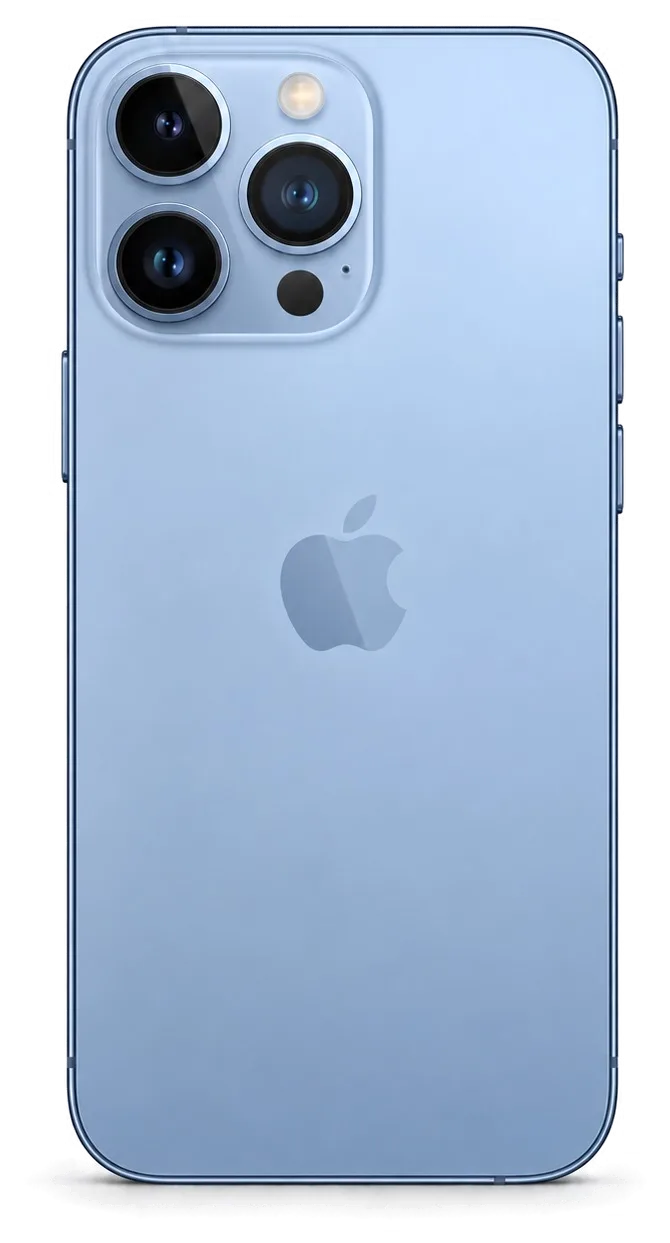
- Cracked lens cover: on the 13 Pro Max the camera bump sits proud of the body, so a hairline crack over the optics blurs shots and lets dust in, replaced in about 20 minutes.
- Blurry or foggy photos: usually condensation or a scratched cover, not a failed sensor, so the glass is checked ahead of the camera itself.
- Shattered rear: the glass back cracks from drops, and we assess whether the rear alone can be swapped or the chassis needs more work.
- Bent frame after a fall: a warped chassis can stop the screen seating flush, so it is checked together with the display.
- Scratched cover glass: it scatters light and softens every photo, so it is worth replacing even when the optics underneath are intact.
Screen Repair for the iPhone 13 Pro Max
The 13 Pro Max screen can be repaired two ways, and the right one depends on what is actually broken. Here is how we decide and what stays working afterwards.
Replacing Only the Glass or the Whole Module
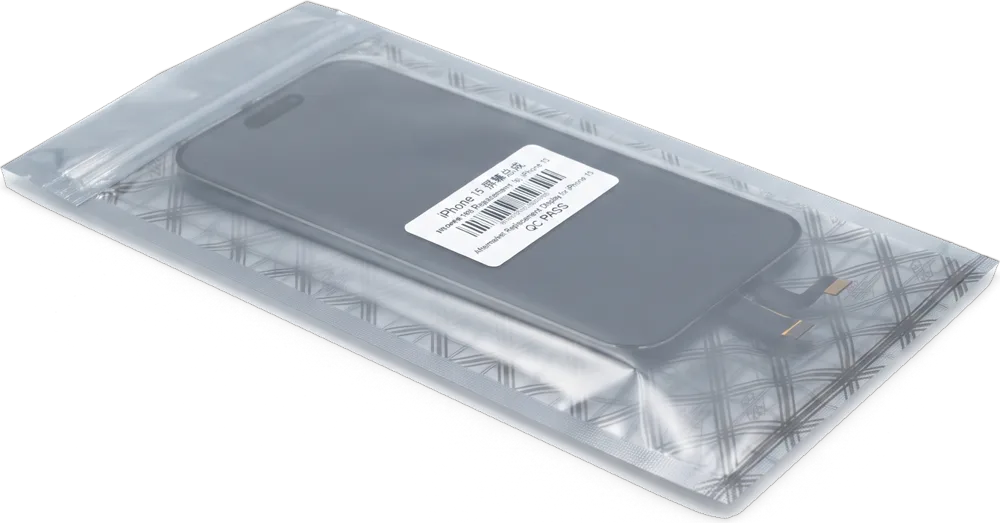
When the OLED matrix and touch layer are intact and only the top glass is cracked, we can replace just the glass; if there are dead pixels, lines or a failing digitiser, the full module is the honest fix. Glass-only work suits hairline cracks and chips where the image stays clean and every part of the touch layer still responds. The module swap covers impact damage that reached the OLED itself — green or pink lines, black patches, ghost touch. A front-pane job keeps the original panel and its factory calibration, so picture quality stays exactly as it left the factory, while a cheap aftermarket module can lose brightness and accuracy. Ask the engineer to show you the cracks under light prior to agreeing to either route — that single check decides whether you pay for the outer layer or for a full assembly.
What Happens to Face ID and True Tone
Face ID keeps working after a screen repair because the TrueDepth module is a separate unit from the display, and True Tone works once its calibration is carried over to the new screen. The dot projector and infrared camera sit in their own housing at the top of the frame, so a display swap does not touch them — the engineer moves the assembly across and reconnects it. True Tone relies on a calibration value stored with the panel, and that value has to be written to the replacement during fitting. On some aftermarket panels it cannot be transferred at all, so it is worth confirming this prior to fitting the part rather than after. We test Face ID and the warm-to-cool shift with you in the same visit, so you see both working before the phone leaves the bench.
Original Screen or Aftermarket Panel
Three panel grades compared by image quality and intended use| Option | Brightness and tint | Best for |
|---|
| Original panel | Matches factory | Keeping the phone as built |
|---|
| Quality aftermarket | Close, slightly cooler | A lower-cost fix with full function |
|---|
| Budget aftermarket | Dimmer, visible shift | A spare or backup device |
|---|
How an iPhone 13 Pro Max Repair in Astana Works
The whole visit is built around you watching the work happen. From the first photo to pickup, most jobs are done the same day, and many while you sit in the waiting area.
From a WhatsApp Photo to a Fixed Price
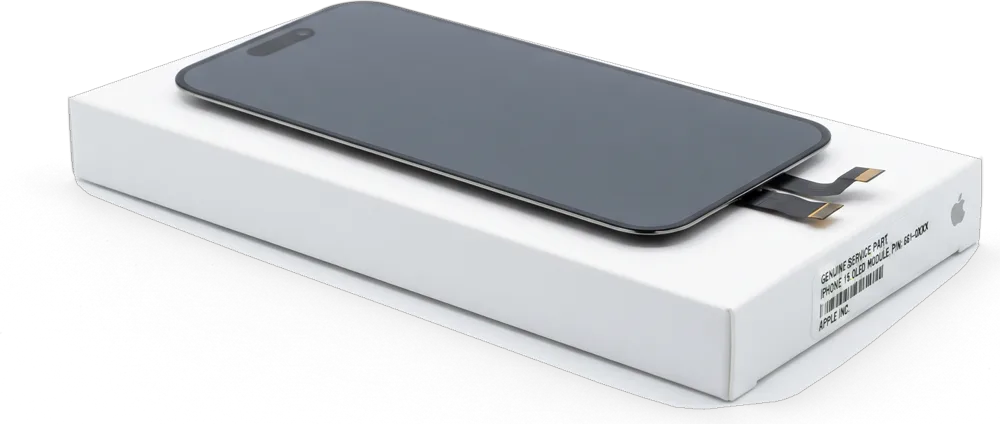
You send a photo of the damage on WhatsApp, an engineer replies within 5 minutes with a price estimate and a free time slot, and the exact price, component, turnaround and warranty are fixed on the receipt in about 2 minutes before any work begins. The new component is shown to you in its factory packaging before installation, so the one you agreed to is the one that goes into the phone. Payment after the job is accepted by Kaspi, card or cash, and a courier can be called if you cannot come in person. Getting the estimate from a photo first means you arrive knowing roughly what to expect, instead of learning the scope only after the device is already open. This is how an iPhone 13 Pro Max repair in Astana starts — with a photo and a fixed price before any work begins.
Free Diagnostics in Front of You
Diagnostics are free and take about 15 minutes with the engineer checking the device in front of you and showing exactly what is broken, even if you decide not to repair. On an iPhone 13 Pro Max the usual suspects are the display module, the battery, the charging port and the rear camera glass, and the engineer points to the failed component on the bench rather than describing it in the abstract. Board-level faults go under a microscope, and after water contact the check can stretch to two days because corrosion spreads between layers. Seeing the fault on the bench yourself is what separates a real diagnosis from a guess, and it is why we do not take the phone out of sight to "have a look".
How Long the Repair Takes
Job types compared by turnaround window| Job | Typical time | Can you wait |
|---|
| Screen replacement | 40 min | While you wait |
|---|
| Battery replacement | 25 min | While you wait |
|---|
| Camera glass | 20 min | While you wait |
|---|
| Charging port | 30–40 min | While you wait |
|---|
| Board repair under microscope | 1–3 days | Drop-off |
|---|
Parts, Data and What You Keep After the Repair
Two things worry owners most ahead of a repair: whether their data is safe and whether the part is genuine. We settle both before the phone is even opened.
Backing Up and Turning Off Find My Before You Hand It In
- Back up first: an iCloud or computer backup takes minutes and covers photos, messages and accounts against anything unexpected.
- Turn off Find My: an active lock can tie the device to an account and stall the handover, so it should be switched off before arriving.
- Note the passcode: the engineer needs it to test Face ID, True Tone and the rest of the functions after the work is done.
- Bring the essentials: the phone itself and, if still available, the old part or receipt from a previous repair.
Original or Aftermarket and the Unknown Part Message
We show the new component in factory packaging before installation, and 64% of our customers choose an original one; the "unknown part" message some phones display is an indicator of component type, not a fault. An original module keeps True Tone and Face ID behaving exactly as they did originally, while a quality aftermarket panel costs less and suits a device kept for a long time. The message appears when the handset cannot verify a part's serial number against its own records, so it flags what was fitted rather than what is broken. The receipt matters as much as the component itself, because it tells a future buyer exactly which one went in and when.
What You Take Home
The phone comes back with the receipt, a warranty card covering the work for up to 1 year, and the old part; payment is accepted by Kaspi, card or cash. The receipt records the component type, the turnaround and the warranty terms, so nothing about the job rests on memory. Keeping the old component is useful proof of what was replaced and helps if the handset is ever sold or a later repair is compared. Payment is settled at pickup, once the phone has been checked, and the warranty card stays with the customer for the full term. Keeping the paperwork makes it easier to resolve any question that comes up later.
Checking the Phone Together Before You Leave
A repair is not finished until the phone has been seen working. We run a full function check together with the customer at the counter before the device goes back in a pocket.
The 32-Point Check We Run With You
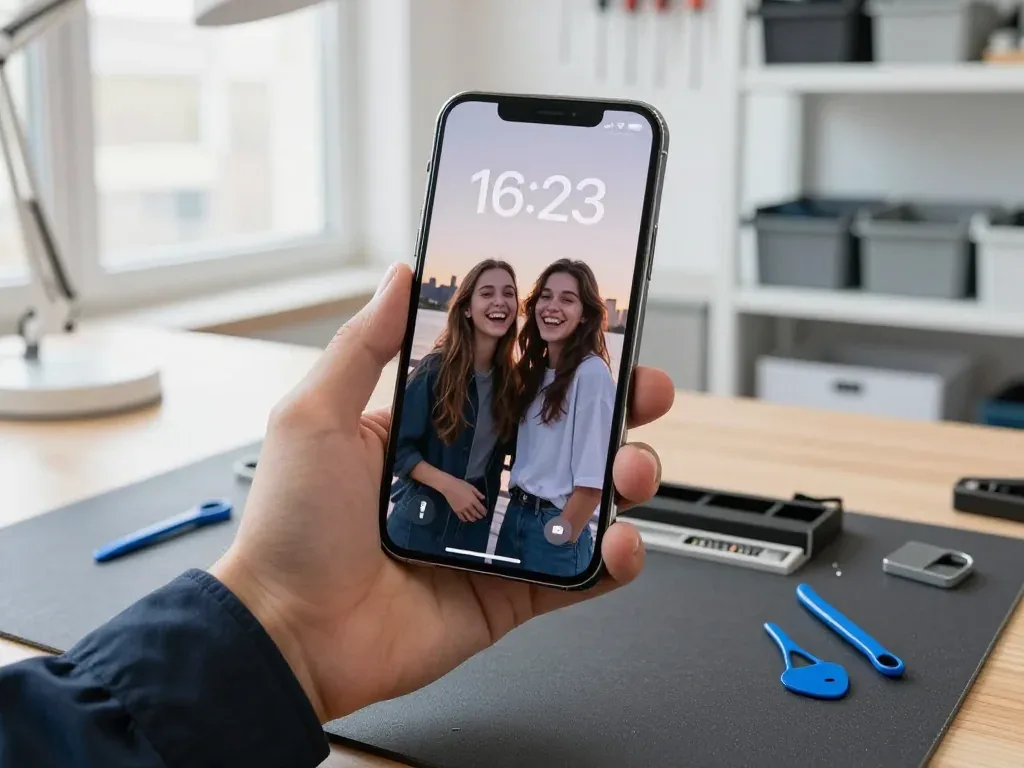
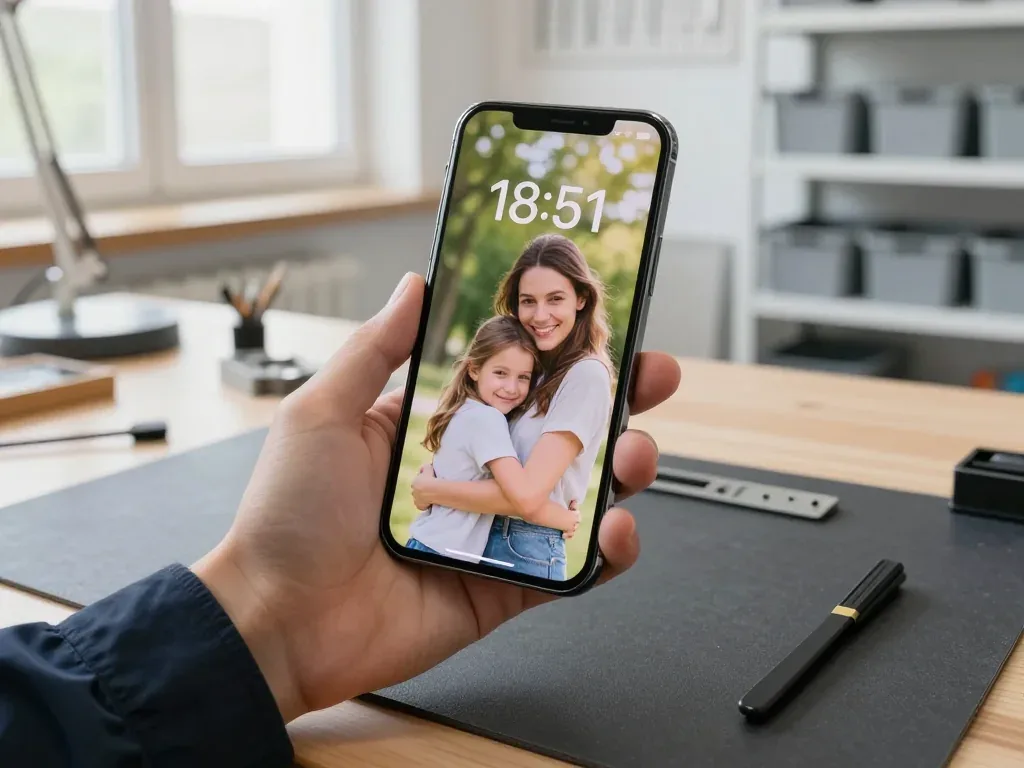
After the repair we check 32 functions in about 10 minutes, including Face ID, True Tone, cameras, microphones, speakers, charging and network, together with you at the counter. The engineer hands the phone to the customer and walks the list while it is held, so it is unlocked with a glance and True Tone is watched shifting under the workshop light. Charging goes on a real cable, the network reconnects to the customer's own SIM, and each camera and microphone gets a live test rather than a settings screen. We log the result before the device leaves the bench, and the old component travels home with the customer in the same bag as the receipt and warranty card. Testing the scanner and the colour calibration in front of the customer is the point where a screen repair is proven, not just promised.
Why a Direct Repairer Changes the Deal
We are a direct repairer with our own technicians and workshop, not an aggregator or middleman, so the person who quotes a repair is the one who does it. That matters on a 13 Pro Max, where a screen swap touches the depth sensor calibration and a board job needs a microscope and 1–3 days of bench time. There is no handoff to a third party and no queue behind another company's orders, which is why 72% of our repairs finish while the customer waits in the waiting area. Eleven years in business and 46,000+ repairs sit behind the same team the customer speaks to on WhatsApp, and an engineer replies within 5 minutes with a price from a photo. With a middleman the device often travels to a third party, which is where turnaround and part quality get hard to track.
Summary: iPhone 13 Pro Max repair
A repair only counts as finished when the phone works as it did prior to the fault. These are the points worth carrying into any visit, whichever workshop is chosen.
- Match the fix to the fault: glass-only when the panel is intact, the full module when pixels or touch fail.
- Confirm the functions: Face ID and True Tone should be checked at the counter, not at home.
- Know the part: original or aftermarket is a real choice, and it should be on paper before work starts.
- Protect the data: a backup and Find My switched off make any repair smoother.
- Keep the record: the receipt, warranty and old part document exactly what changed, so hold on to all three.









 iPad
 MacBook
 iMac
 Mac mini and Studio
 Apple Watch
 AirPods
 Apple Pencil
 Apple TV
 HomePod