A shattered pane and a failing camera module can produce similar complaints, yet they call for completely different work. Here is how to tell one from the other before you bring the phone in.
What the Camera Glass Actually Covers
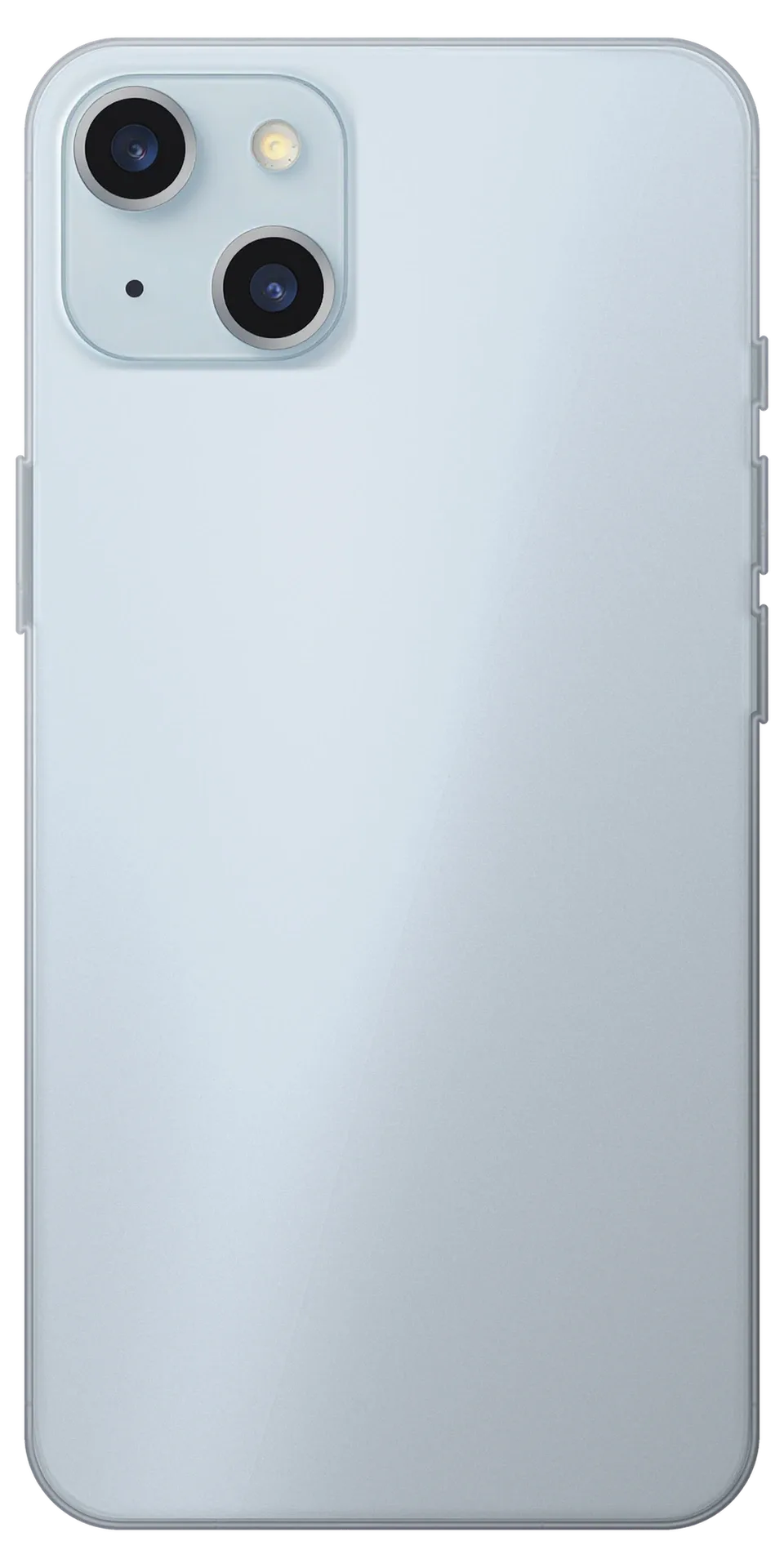
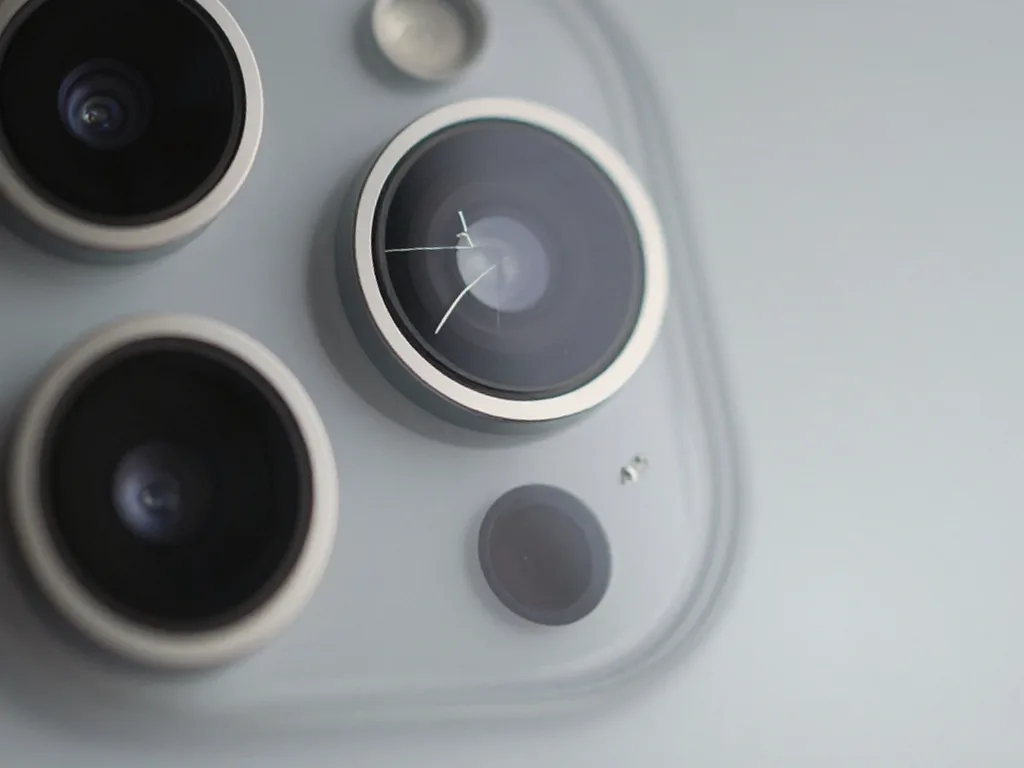
The camera glass is a thin protective pane over the optics, not the module or the image sensor itself, so a crack in it does not automatically mean the camera is broken. This sheet sits on top of the assembly and shields it from keys, grit and pocket dust. Underneath are the optical elements, the autofocus mechanism and the sensor that captures the frame — all sealed and separate from the outer layer. When the sheet fractures, light scatters across the break and photos look hazy in one corner, yet everything below stays intact. If you are weighing up an iPhone camera glass replacement in Astana, the first step is to confirm which layer is actually damaged. Ask what exactly is broken before agreeing to any part.
Signs That Point to the Module Instead of the Glass
- Blurry shots with no crack: if every photo stays soft across the frame, the sensor or its mount has shifted, not the outer sheet.
- Buzzing on launch: a unit fighting to focus produces a faint rattle the moment the Camera app opens.
- Black frame in the app: a dark preview with no visible damage means the sensor or its connection has failed.
- One camera dead, others fine: a single unit that refuses to switch points to that assembly, not shared glass.
- Shaking video: stabilisation that no longer holds steady signals an internal fault.
Why a Cracked Lens Is Not the Same as a Broken Camera
A cracked lens cover and a failed camera module are two different faults, and only the second one calls for replacing the camera itself. The cover is a sacrificial layer — it absorbs impact so the optics behind it survive. A working unit still focuses sharply, switches between cameras without lag and records clean video even when the glass above it is shattered. The test that separates them is simple: open the Camera app, tap each option in turn and watch whether the preview sharpens. If it does, the optics are healthy and only the outer sheet needs work. If the image stays soft or the app freezes, the fault sits deeper. A free 15 minute check in front of you settles this before any part is ordered.
What an iPhone Camera Glass Replacement Costs You Over Time
A crack rarely stops you from shooting right away, so it gets postponed. Here is what happens to the glass, the optics and the module while the repair waits.
Why Shooting Through a Crack Makes Photos Worse
A crack scatters light and lets grit reach the optics, so photos pick up glare and softness long before the camera itself fails. Every frame shot through a fractured lens carries haze around bright sources and a slight loss of contrast no editing app fully removes. Fine shards sit loose in the opening and travel across the surface as the phone shifts in a pocket or bag. The anti-reflective layer on the optics is a thin film measured in microns, and grit dragged over it leaves marks that stay after the glass is swapped. Sharpness drops gradually, so owners rarely notice the moment it began. Loose shards scratch that coating every time the phone goes into a pocket, turning a cheap glass swap into a module repair.
Dust, Moisture and the Case That Prevents a Repeat
- Dust behind the glass: fine particles settle inside and show as dark specks in every frame, awkward to clear once sealed.
- Moisture path: a hairline crack wicks condensation from a warm pocket into a cold room, and water near the module costs far more than a swap.
- Raised camera lip: a case whose rim sits above the lens keeps it off tabletops and keys, where most repeat cracks begin.
- Replaceable film: a thin layer over the lens absorbs the next impact for a fraction of another replacement.
- The old part: we hand back the old part so you can see where the damage started, which usually decides whether a case is worth adding.
How We Replace the Glass on Your iPhone
Replacing the camera glass is a short procedure with several control points along the way. Below are the steps we follow and the cases where a single component is not enough.
From Photo on WhatsApp to the Receipt
- Photo first: send a picture of the damage on WhatsApp and an engineer replies within 5 minutes with a price and a free slot.
- Terms before work: we fix the price, the component, the turnaround and the warranty on the receipt in about 2 minutes.
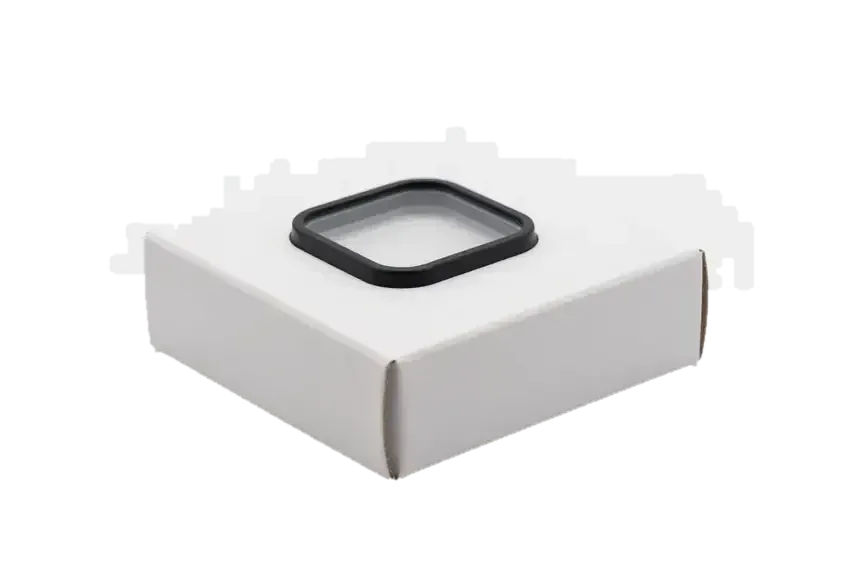
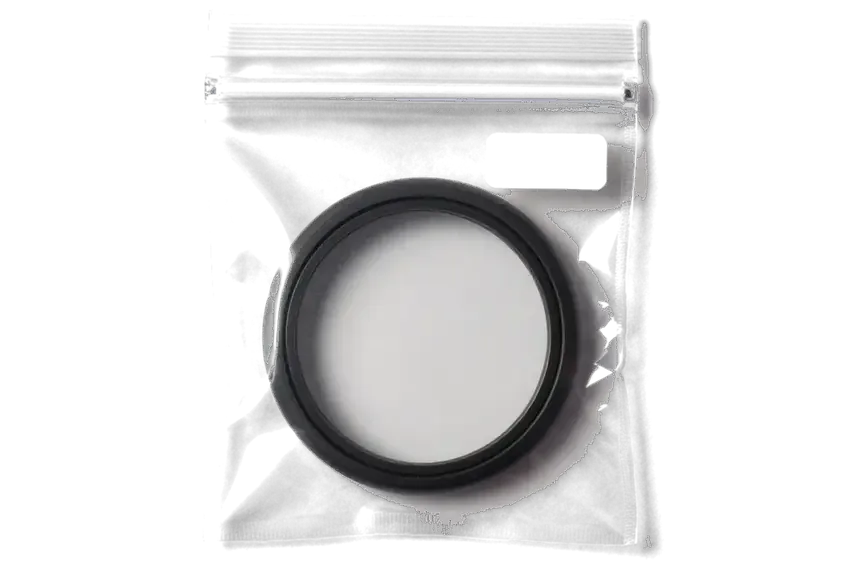
- Glass in packaging: the new cover is shown in factory packaging before installation, so nothing is a surprise once the phone is open.
- Payment options: you settle by Kaspi, card or cash after the repair is done.
- Documents on pickup: the device comes back with the receipt, the warranty card and the old glass.
- Diagnostics on the spot: if the photo leaves a question, the engineer checks the device in front of you for free — 15 minutes, even if you decide not to repair.
When the Frame Is Bent or the Back Panel Is Cracked
A bent frame or a cracked back panel around the camera changes the job, and the engineer decides on the spot whether the glass alone will seat properly or more work is needed. A camera module that still focuses, switches lenses and records sound usually needs no replacement — only the cover above it gets swapped. On models with a glass back, a crack that reaches the camera ring often means the panel and the cover are handled together, since the new lens has to sit flush against a flat surface. A damaged camera flex is the third case: the ribbon is checked during the free diagnostics, because a torn flex will not survive the pressure of pressing in new glass. That check happens before any quote is final, so the receipt reflects the real scope of work rather than the first visible crack.
Original or Aftermarket Glass and How We Check the Result
Camera glass comes in more than one version, and the difference rarely shows on the first day. Here is what separates the options and how we test the camera together with you afterwards.
Comparing the Glass Options
Two camera glass types side by side| Option | Coating and clarity | Fit and sealing | Best for |
|---|
| Original glass | Factory coating, clear optics | Exact seat, tight seal | Long-term use, resale |
|---|
| Aftermarket glass | Basic coating, good clarity | Close fit, slight tolerance | Budget repair, older models |
|---|
| Refurbished glass | Restored coating, near-original clarity | Exact seat, tight seal | Balanced option, mid-term use |
|---|
The 32-Point Check You Do With the Engineer
- Autofocus: you shoot a close-up and a distant frame so the engineer confirms the lens locks focus without hunting.
- Lens switching: you tap between the wide, ultra-wide and telephoto cameras and watch each one engage cleanly.
- Flash and video: you fire the flash and record a short clip to confirm the LED and the camera module work together.
- Dust check: you look at the glass under light for trapped particles before the frame is sealed back.
- Your own test: you take a photo with your usual app, since that is how you will actually use the phone.
Timing, Warranty and Getting the Phone to Us
Turnaround and coverage often decide where a phone goes for service. Below is how long the glass swap lasts, what you receive afterwards and how to hand the device over.
About 20 Minutes and a Waiting Area
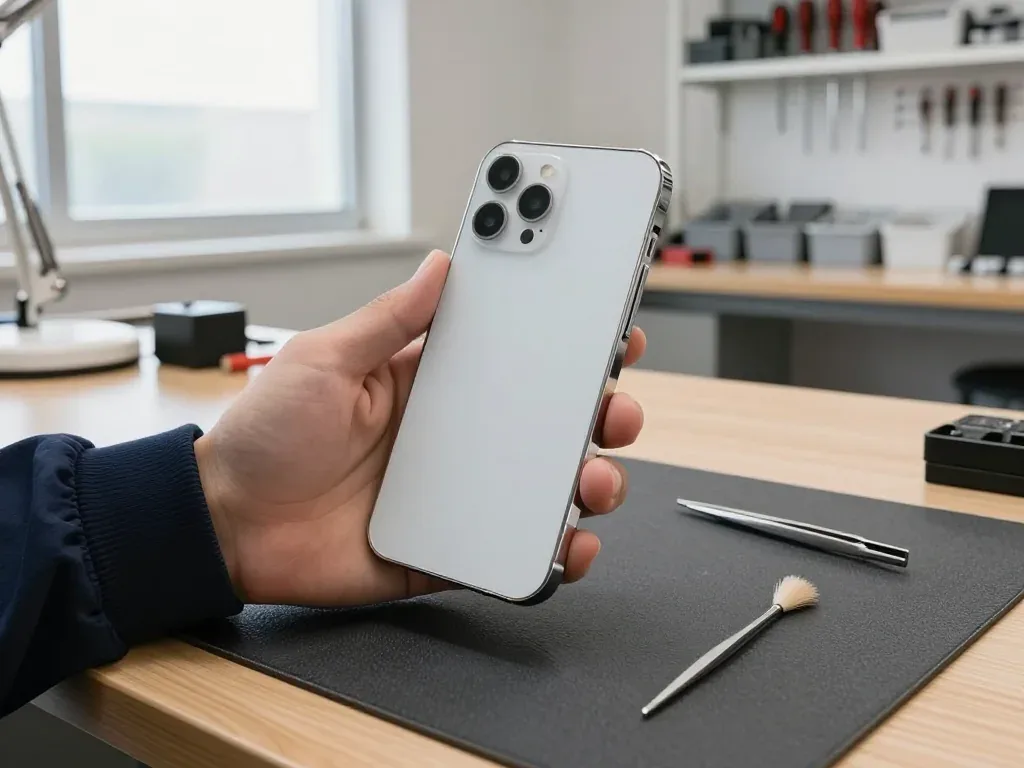
Camera glass replacement takes about 20 minutes, and the whole path from first contact to pickup usually finishes in under an hour. An engineer replies on WhatsApp within 5 minutes and quotes from a photo, then the visit itself is short: the glass is swapped while you sit in the waiting area with coffee and Wi-Fi. Most jobs across our workshop run 20 to 40 minutes, and a screen runs 40 minutes while a battery lasts 25, so the lens cover is one of the quickest tasks on the bench. 72% of our repairs are completed while the customer waits, so booking a slot in advance is what keeps the visit to a single trip.
Warranty, Documents and Courier Delivery
- Coverage up to 1 year: every camera glass swap is protected, and the term is written on the receipt before any work begins.
- Receipt and card: you leave with both papers, plus the old glass in a bag as proof of the original damage.
- Courier option: if you cannot come in during opening hours, a courier can be called to collect and return the device.
- Payment on pickup: Kaspi, card or cash, settled once you have checked the phone with the engineer.
- Old part kept: the removed glass stays with you, so any later question about the damage has a clear reference point.
Summary: iPhone Camera Glass Replacement
A few facts decide whether the repair is quick and permanent. Here is what to carry into the conversation before you hand the phone over.
- Glass versus lens unit: a cracked camera glass is a protective pane over the lens, and a healthy assembly underneath does not need replacing.
- Wrong diagnosis signs: blur, buzzing or a black frame with no visible crack points to the optics, not the outer pane.
- Cost of waiting: a crack scatters light and lets dust and moisture in, so delay slowly raises the price of the fix.
- Part choice: original and aftermarket glass differ in coating and fit, and the decision should match how long you keep the phone.
- Clean handover: test the cameras together, keep the receipt and the old part, and know the warranty terms before you leave.







 iPad
 MacBook
 iMac
 Mac mini and Studio
 Apple Watch
 AirPods
 Apple Pencil
 Apple TV
 HomePod