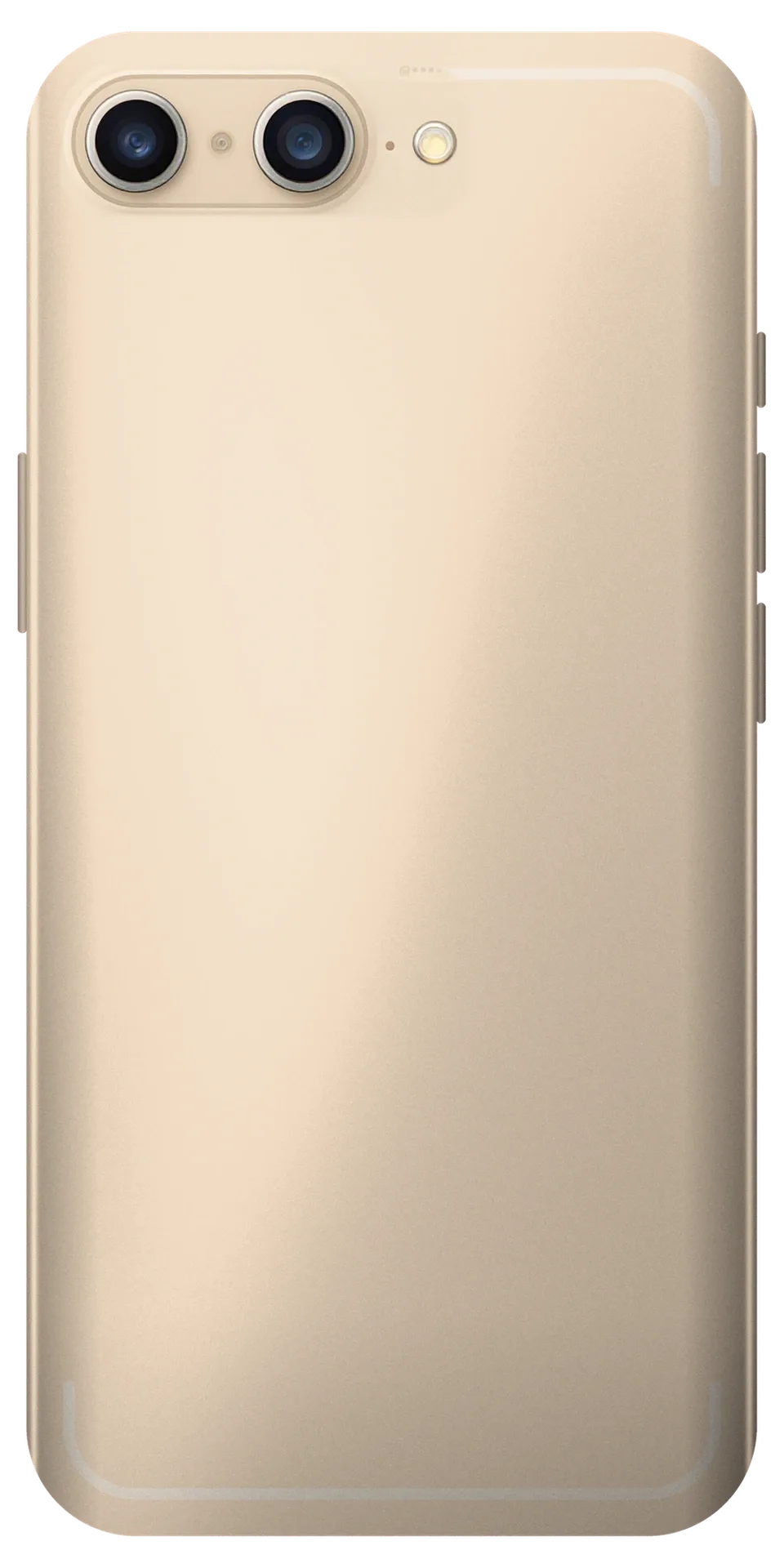
The 7 Plus carries two cameras in a horizontal block, each with its own protective pane. Before anything is replaced, an engineer separates damage to the glass from a fault inside the module.
What the Camera Glass Actually Is
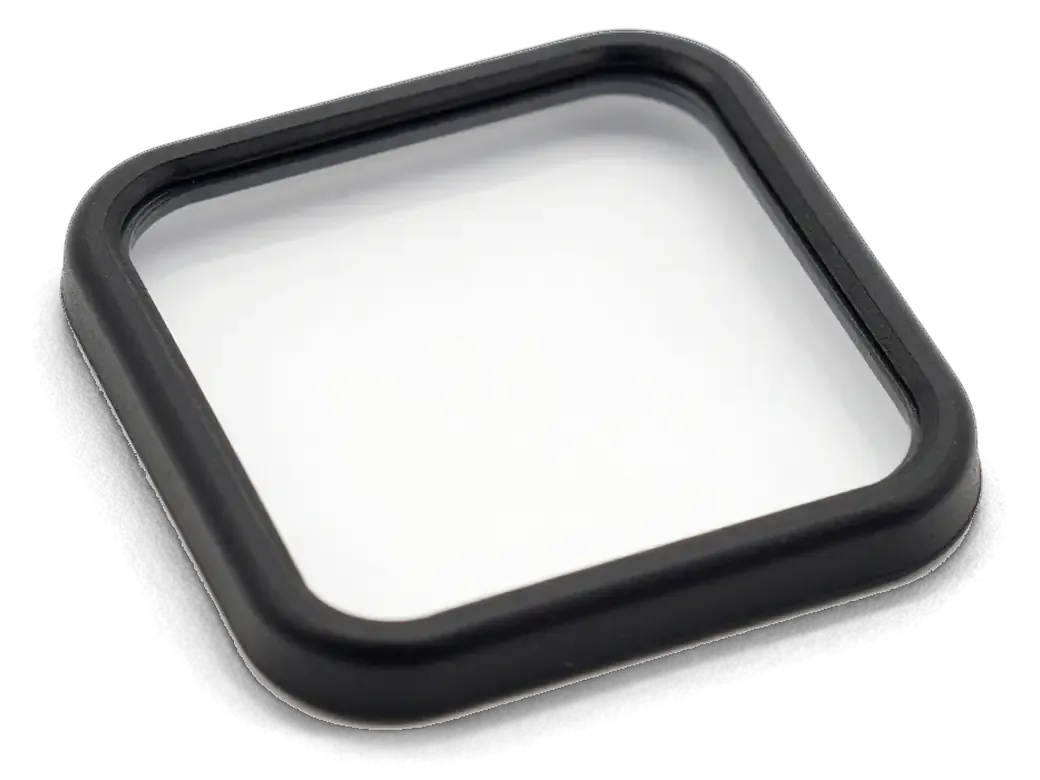
The camera glass is the thin protective layer over each optic, not the optic or the module itself, so a cracked cover does not automatically mean a broken camera. On the 7 Plus there are two of these covers, one per lens, set into the horizontal block on the back. Underneath sits the lens assembly, the sensor and the autofocus mechanism, and those parts stay untouched when only the pane is swapped. People often call it the "eye" or "window" of the camera, and that wording matters at the counter, because you are paying to replace a protective cover, not a whole camera. Ask the technician to name the part before work starts, and the difference between a glass job and a module job becomes obvious.
Signs the Module Is Fine and Only the Glass Is Cracked
- Sharp photos: if close-up and distant shots still lock focus cleanly, the autofocus and sensor are fine.
- Both lenses switch: tapping between wide and telephoto view without a freeze or black frame points to a healthy unit.
- No grinding or rattle: a quiet camera with no mechanical noise during switching means the moving parts are intact.
- Cracks but clear images: visible lines over the pane that do not blur the picture usually sit in the glass alone.
- Blur with no crack: soft, hazy shots on an unbroken pane point at the unit, so have that checked first.
Why a Cracked Camera Glass Should Not Wait
A crack on the camera glass of a 7 Plus is more than a cosmetic flaw. It changes what the sensor actually captures and opens a path for debris and damp to reach the module underneath.
How a Crack Changes Your Photos
A cracked cover scatters light, so photos pick up glare, haze and soft edges, especially against the sun or at night with the flash. Every fracture line acts like a tiny prism: light bends at the break instead of passing straight to the sensor, and the wide lens catches the worst of it. Indoors the damage often looks minor, but point the phone at a bright window and a milky flare spreads across the frame. Shoot toward a lamp after dark with the flash on, and the burst bounces off the broken surface into the aperture, washing out the shot. Owners notice it most in landscape and group pictures, where fine detail on faces and distant buildings turns mushy at the edges. The effect is worst on the wide lens in bright scenes, so a crack that looks harmless indoors can ruin outdoor shots long before the glass fully breaks.
Dust, Moisture and Shards Getting Inside
Once the cover is open, dust and moisture reach the module and loose shards can scratch the lens, so waiting turns a 20-minute glass swap into a possible camera repair. The 7 Plus carries two separate covers over a shared dual-camera block, and a break in either one lets in fine grit that settles on the inner surface. We have handled plenty of phones where the crack itself was minor but a trapped fragment had already scored the glass beneath. Damp is the quieter risk: a little condensation after a cold walk or a splash at the sink can fog the sensor and leave marks that no cleaning removes. We clear every fragment and clean the seat before fitting new glass, because a single trapped shard will keep scratching the surface under the new cover.
How We Replace the Glass on the 7 Plus
The 7 Plus carries two protective covers set in one horizontal block, and that layout shapes how a technician lifts the shards and seats the new part.
The Dual-Camera Block and Its Two Covers
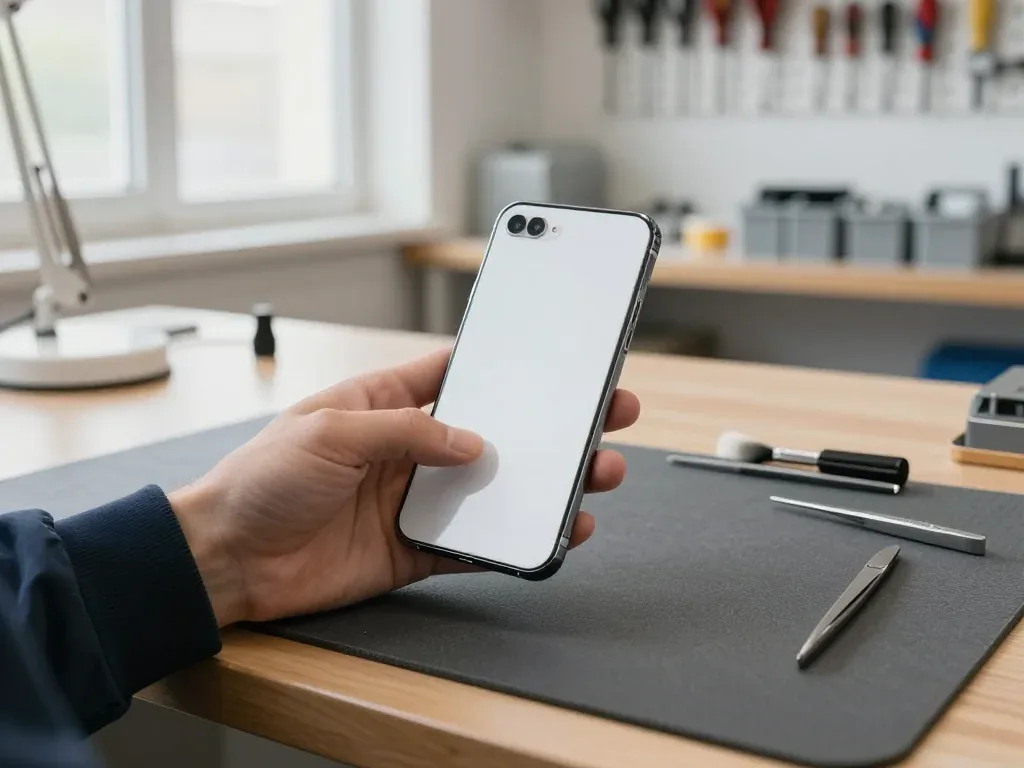
The iPhone 7 Plus has two rear cameras in a horizontal block, and each lens sits under its own protective glass, so one crack does not mean both covers are damaged. The block measures roughly 40 mm across, holds a wide optic and a telephoto optic, and the two covers are separated by a narrow strip of aluminium that also carries the microphone. A single impact usually breaks only the cover above the optic that took the hit, and the neighbouring one stays intact unless the frame itself is bent. Because the two covers sit side by side, replacing one means keeping fragments away from the neighbouring optic, which is why the block is masked before the old glass comes off. For an iPhone 7 Plus camera glass replacement in Astana, the technician works on this block with the phone face down so the shards fall away from the optics.
Step by Step Through the Swap
- Heat: we warm the adhesive around the broken cover so it lifts without pressing shards deeper into the module.
- Lift: the cover comes off in one piece where possible, and loose fragments are collected with tweezers.
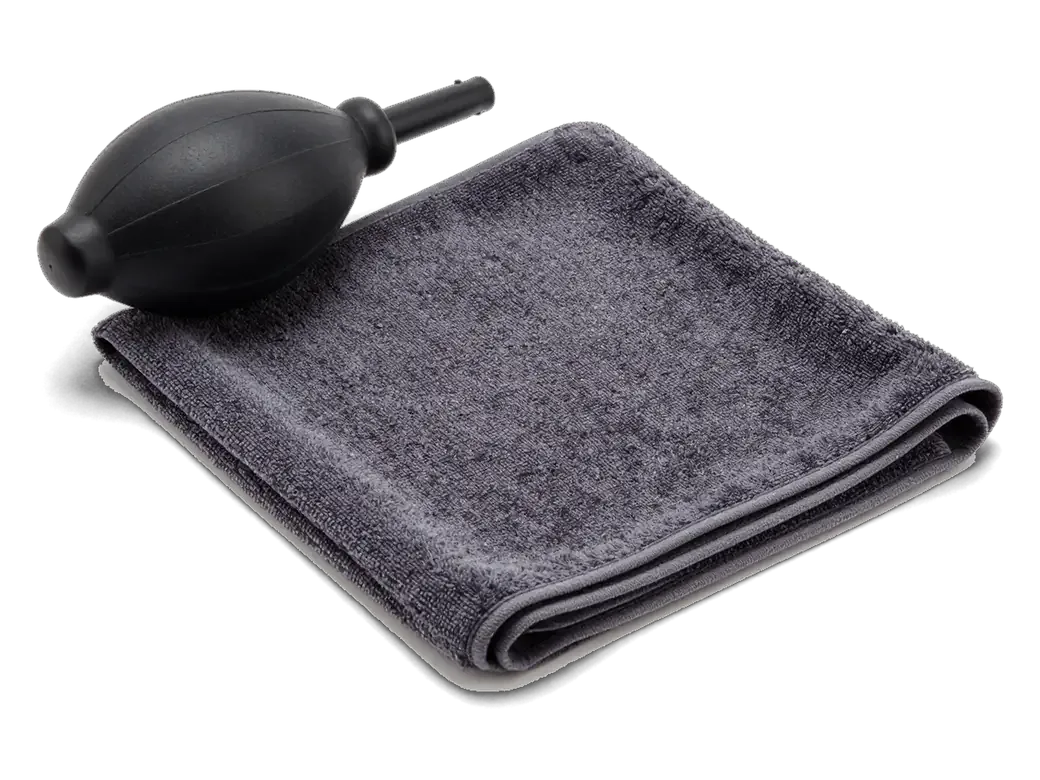
- Clear: we remove every remaining shard and clean the seat until no grit sits against the barrel.
- Mask: the neighbouring optic and the microphone opening are taped off so dust stays out.
- Bond: the new cover goes on with fresh adhesive, pressed evenly until the edge sits flush.
- Check: we look through the optics, confirm focus and wipe the surface before handing the phone back.
Original Glass and Aftermarket Glass Side by Side
Two glass options compared by coating, fit and durability| Parameter | Original glass | Aftermarket glass |
|---|
| Coating and clarity | Factory coating, clear optics | Basic coating, slight haze possible |
|---|
| Fit in the frame | Precise seat, flush edge | Close fit, edge tolerance varies |
|---|
| Scratch resistance | Higher | Moderate |
|---|
| Chosen by | 64% of customers | Rest of customers |
|---|
| Warranty | Up to 1 year | 6 months |
|---|
Checking the Result Together
Once the new glass is seated, the job is only half done — the real proof is in the photos. Here is how we verify that both cameras still behave exactly as they should.
What We Test After the Swap
- Both cameras: we switch between the wide and telephoto optics and check that each one focuses on its own.
- Autofocus: the engineer aims the phone at near and far objects, checking that focus locks quickly and holds.
- Flash and video: we fire the flash and record a short clip, then play it back to rule out dark frames.
- Photo sharpness: we shoot a test frame at full zoom, looking for soft corners or haze that signals dust underneath.
- Lens seating: we press lightly around the new glass to make sure it sits flush, with no gap for moisture.
Why the Check Happens in Front of You
We run the check in front of you so you see the same sharp photos and clean focus we do, and nothing is signed off until you are satisfied. You hold the phone, shoot your own test pictures, zoom into the corners and switch optics yourself — the engineer stands beside you and answers questions as they come up. This is part of the free 15-minute diagnostics routine, and the same hands-on approach applies after the work, not just before it. A cover that looks perfect can still leave a hairline gap that shows up only in a night shot, so testing with you in the room catches what a quick glance would miss.
Timing, Warranty and Getting Started
Timing, paperwork and the first step are the three things owners ask about before booking a repair, so we settle all of them before any work begins.
How Long the Job Takes and How to Book It
The glass swap takes about 20 minutes, the whole visit from first contact to pickup usually stays under an hour, and you can start by sending a photo of the damage on WhatsApp, where an engineer quotes a price within 5 minutes. Send the shot to iServices, get the figure and a free time slot, then pay by Kaspi, card or cash once the job is done. Most repairs here run 20 to 40 minutes, and a waiting area with coffee and Wi-Fi lets you stay on site instead of leaving the device. 72% of our repairs finish while the customer waits, so booking a slot from the photo usually means walking out with a fixed camera the same day.
Receipt, Warranty and Your Old Part
- Receipt: the agreed price, the part type, the turnaround and the warranty term are written down before the technician touches the device.
- Cover card: it records protection up to 1 year and travels with you, so a later question has a clear reference point.
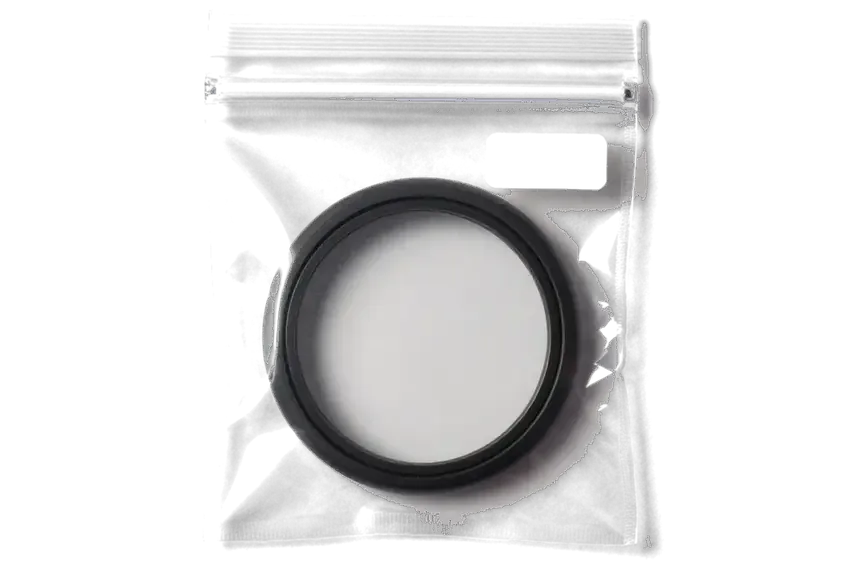
- Old glass: the removed cover goes back to you in a bag rather than into a bin.
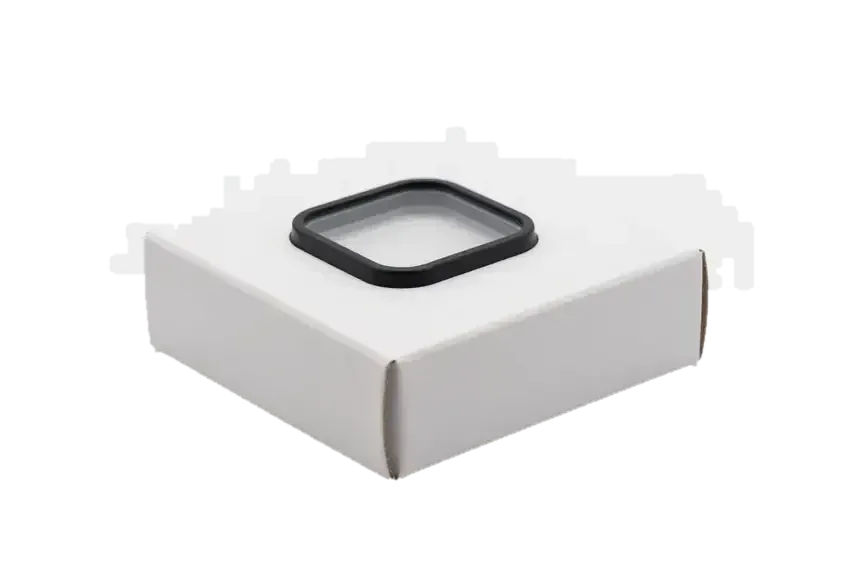
- Factory packaging: the new glass is shown in its box before installation, so you see what goes onto the phone.
- Handover: the device comes back with the receipt, the cover card and the old glass together.
Summary: iPhone 7 Plus Camera Glass Replacement
A cracked camera cover on the 7 Plus is a small part with outsized consequences for your photos. Here is what matters most before you decide what to do next.
- Glass is not the module: a cracked outer cover rarely means the dual-camera block itself is damaged, so the fix stays small and local.
- A crack does not heal: shards and dust work their way toward the lens, and moisture follows the same path, so waiting only raises the risk.
- Two panes, one job: the 7 Plus carries separate glass over each lens, and both are handled in a single visit.
- Twenty minutes: the camera glass swap is the shortest of the common repairs and usually finishes while you wait.
- Paperwork closes the loop: the camera check, the part shown in its packaging and a warranty up to 1 year are all recorded on the receipt you keep.







 iPad
 MacBook
 iMac
 Mac mini and Studio
 Apple Watch
 AirPods
 Apple Pencil
 Apple TV
 HomePod