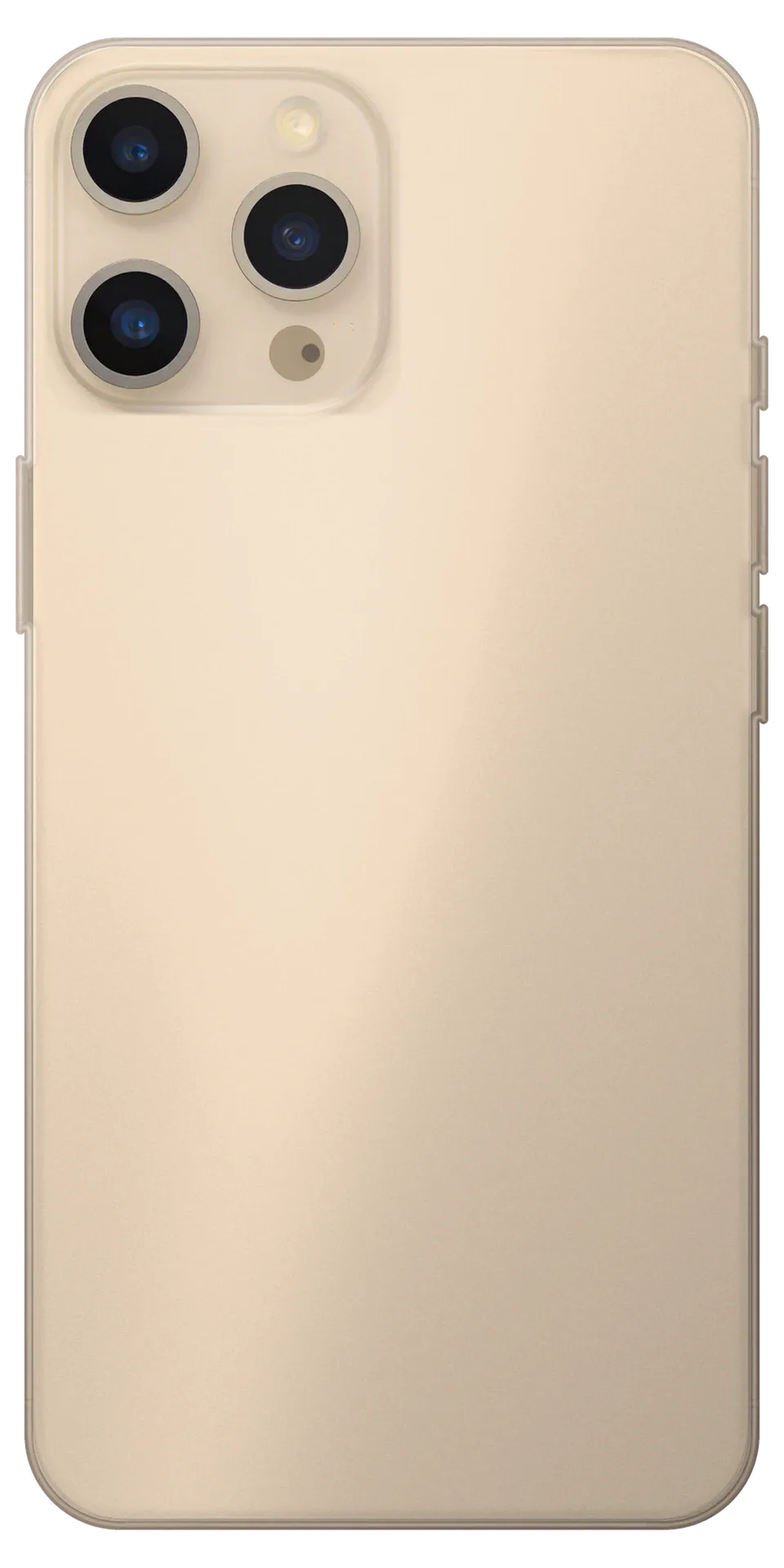
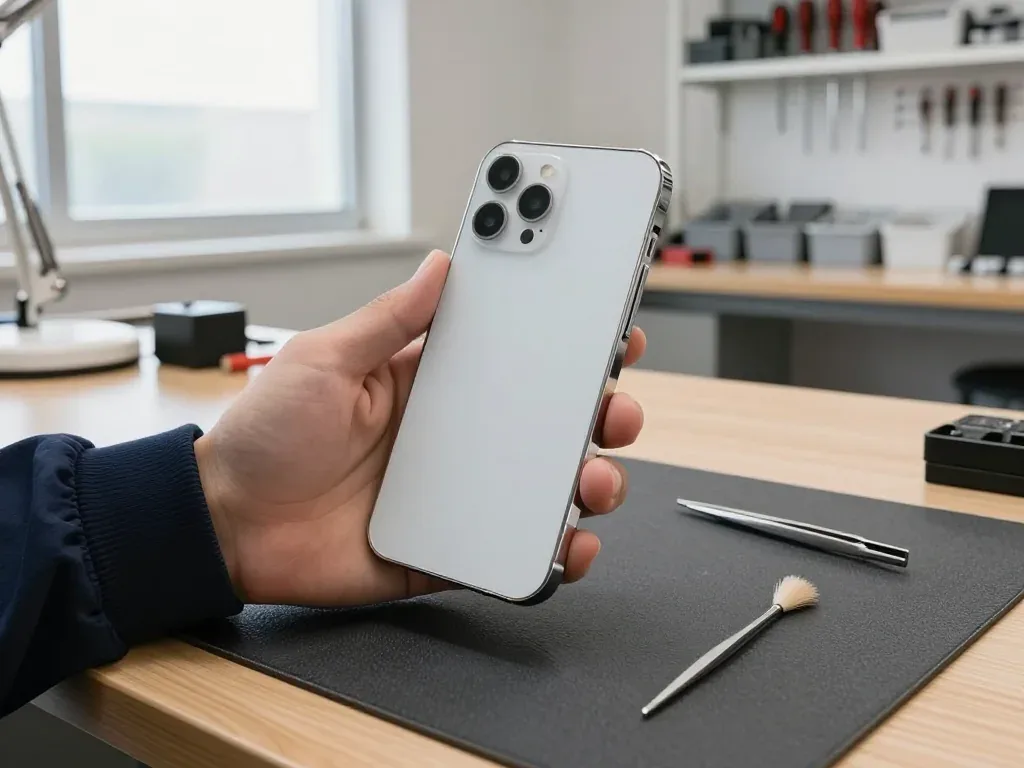
The 11 Pro carries a square block with three optics, and every optic sits under its own protective plate. That fact shapes how the repair is planned and why one cracked tile does not mean the whole camera is gone.
What people call the camera glass and what actually breaks
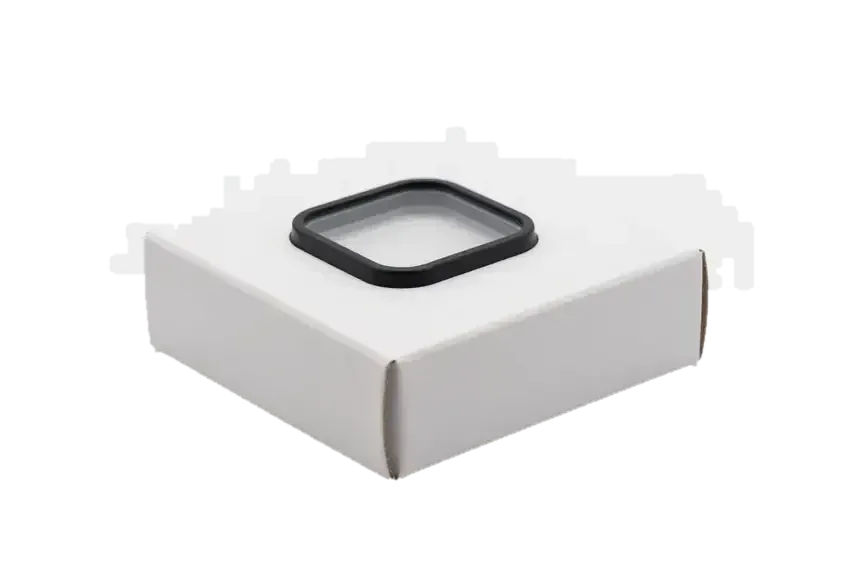
The "camera lens glass", "eye" or "window" people point to is the protective cover over the optics, not the optics itself and not the camera module underneath. Owners describe the same part in several ways — the eye, the window, the plate — while the technician means the thin glass plate glued over the optical assembly. Under that layer sits the real lens group, and behind it the module with the sensor that records the image. That plate takes scratches and impacts so the optics do not. If the glass is cracked but photos stay sharp, the module is usually intact, so the repair stays at the level of one small part rather than a full camera swap. Sharp shots and working autofocus are the two signs worth checking before you book anything.
How the three-lens block is laid out on the 11 Pro
On the iPhone 11 Pro all optics sit in one square block, and every optic is covered by a separate piece of glass, so a crack in one corner leaves the other two tiles untouched. The block is a raised square with a metal ring around each opening, and the glass is bonded to that ring with a thin adhesive gasket. Ultra-wide, wide and telephoto each get their own window; the plates never share a single sheet. Because these pieces are separate, we replace only the damaged one and leave the neighbouring glass sealed, which keeps dust out of the optics that were never hit. On this model, a single cracked plate is by far the most common case, and leaving the two intact seals alone is what protects the camera underneath.
Is it the glass or the camera module
Before anyone orders a part, the question is whether the damage stops at the glass or reaches the module. A short check in front of you answers it, and the answer decides what the repair actually is.
Signs that only the protective glass is damaged
If photos and video still focus, switch between all lenses and record sound normally, the crack is almost certainly limited to the protective glass. The sensor block sits behind that cover, so a shattered outer layer with a clean, sharp image means the optics survived. We see this at our bench most days: the top layer takes the impact, the sensor and stabiliser stay untouched. Open the Camera app and tap through ultra-wide, wide and telephoto in turn — each view should appear instantly, without a black frame or a freeze. A simple self-test is to open each mode in turn; if every mode loads cleanly, only the outer layer needs replacing.
When the problem points to the module instead
Blurred shots with no visible crack, a rattling sound when you shake the phone, or a black preview in the Camera app point to the module rather than the glass. Autofocus that hunts back and forth, a stabiliser that buzzes on video, or one optic that stays dark while the other two work are the same signal — the fault sits behind the cover, in the sensor, the optical assembly or the flex cable that links it to the board. A crack can also let dust and moisture reach the optics, and then sharpness drops even though the glass looks intact from the outside. In that case replacing the cover alone will not restore sharpness, so the honest move is to diagnose first and only then decide whether the camera itself is involved.
Why a cracked cover should not wait
A cracked plate often keeps working for a while, which is exactly why people postpone the repair. The cost of waiting is not the glass, it is what gets past it.
What gets past a cracked cover
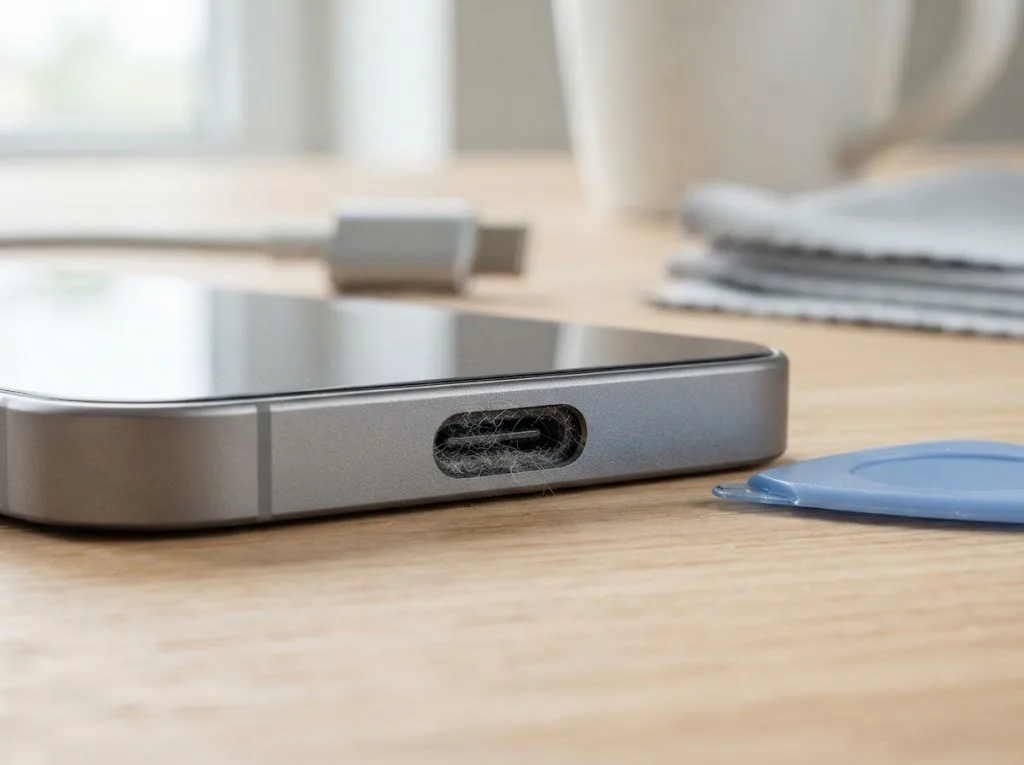
A crack lets grit and moisture reach the optics and scatters light, which shows up as glare and soft focus in photos long before the image goes completely bad. On the 11 Pro the three covers sit almost flush with the metal frame, so even a hairline fracture opens a channel straight down to the glass surface. Fine particles settle there as a grey film that no cloth can reach, and humidity from a pocket or a cold street condenses from the inside. At night, point light sources smear into long streaks across the frame. Tiny shards from the broken glass can also scratch the optics themselves, and a scratched surface cannot be polished back, so a small glass job can quietly turn into a full camera replacement.
Can you keep shooting with a cracked cover
You can keep taking photos while the glass is cracked, but we advise against long delays because every day adds grit and moisture to the space above the optics. A closed case with a raised lip around the camera block shields the fracture from direct knocks, and that is the single most useful thing you can do before the visit. Avoid tight pockets shared with keys or coins, and never press on the damaged spot to test it — pressure is what drives fragments downward onto the glass. Until the visit, wipe the area gently with a dry microfibre cloth and keep the phone away from dust and sand.
How the iPhone 11 Pro camera glass replacement is done in Astana
The work itself is short, but the order of steps matters. Removing fragments, cleaning the seat and sealing the new glass correctly is what keeps dust out and the lenses aligned.
Step by step from cracked glass to sealed panel
We heat the adhesive, lift out the broken glass and every loose fragment, clean the recess around the opening, then bond the new panel and let it set before any testing. The iPhone 11 Pro camera glass replacement that Astana owners book follows the same bench sequence every time, and the camera glass itself takes about 20 minutes. Scraping the recess matters more than the bonding: a single grain left under the new panel shows up as a dark speck on every photo shot into the light. Whether the camera has to come out is decided on the spot, because a panel that sits flush can be changed in place, while a bent frame or glass pressed into the optical area needs the module lifted first.
Original or aftermarket panel for the 11 Pro
Two replacement options compared by coating, fit and paperwork| Part type | Coating and clarity | Fit against the frame | What we note on the receipt |
|---|
| Original | Factory anti-reflective layer | Precise seat, flush with the block | Type and warranty |
|---|
| Aftermarket | Standard layer, slightly more glare | Fits, tolerance may vary | Type and warranty |
|---|
| Sealing | Adhesive gasket bonded to the metal ring | Keeps dust out of the optics | Type and warranty |
|---|
Checking the result, timing and warranty
A sealed plate is only half the job. The other half is proving the lenses still focus, switch and flash as they should, and handing over the paperwork that backs the work.
How we test all three lenses with you
After the cover sets, you and the engineer go through the cameras together, opening each mode in turn, shooting a test photo and a short video, checking autofocus at near and far distance and firing the flash. The engineer then runs the full 32-function check, which takes about ten minutes and covers Face ID, True Tone, cameras, microphones, speakers, charging and network alongside the lens work. Testing together means you see the result before you leave, and any optic that behaves differently — a soft corner, a flash that fires late, a camera that hesitates when switching — is caught while the phone is still on the bench rather than after you get home. Ask to watch the switch between the modes yourself.
Twenty minutes at the bench and the papers you leave with
The camera glass itself takes about 20 minutes, most of the visit fits inside an hour, and you leave with the receipt, the warranty card and the old part. While the new glass is fitted you can wait in our waiting area with coffee and Wi-Fi, and 72% of repairs are finished while the customer waits. The price, the part type, the turnaround and the warranty are written on the receipt before work begins, so nothing about the job is settled verbally or changed afterwards. The warranty runs up to 1 year, and the old glass goes home with you — useful if you ever want to compare it against the fresh one. Ask for the receipt to list the part as original or aftermarket; that one line is what you point to if a question comes up months later.
Summary: iPhone 11 Pro Camera Glass Replacement
A short recap of the points that decide whether a camera glass repair on the 11 Pro goes smoothly, from the first look at the crack to the final check before pickup.
- A cracked cover over one optic is usually just that, a cover, as long as autofocus, mode switching and sound still work.
- Waiting lets dust, moisture and loose fragments reach the optics, and a scratched surface cannot be polished back.
- Each optic on the 11 Pro has its own glass , so only the damaged cover is replaced.
- Whether the camera must be lifted out is decided during diagnosis, not promised in advance.
- Testing every lens, the flash and video before pickup is what confirms the repair held.







 iPad
 MacBook
 iMac
 Mac mini and Studio
 Apple Watch
 AirPods
 Apple Pencil
 Apple TV
 HomePod