For iPhone 7 camera glass replacement Astana owners arrive unsure whether the lens itself is broken or only the cover glass. The two look similar from the outside, so the first step is telling them apart.
Glass, Lens or Module and What Each Word Means
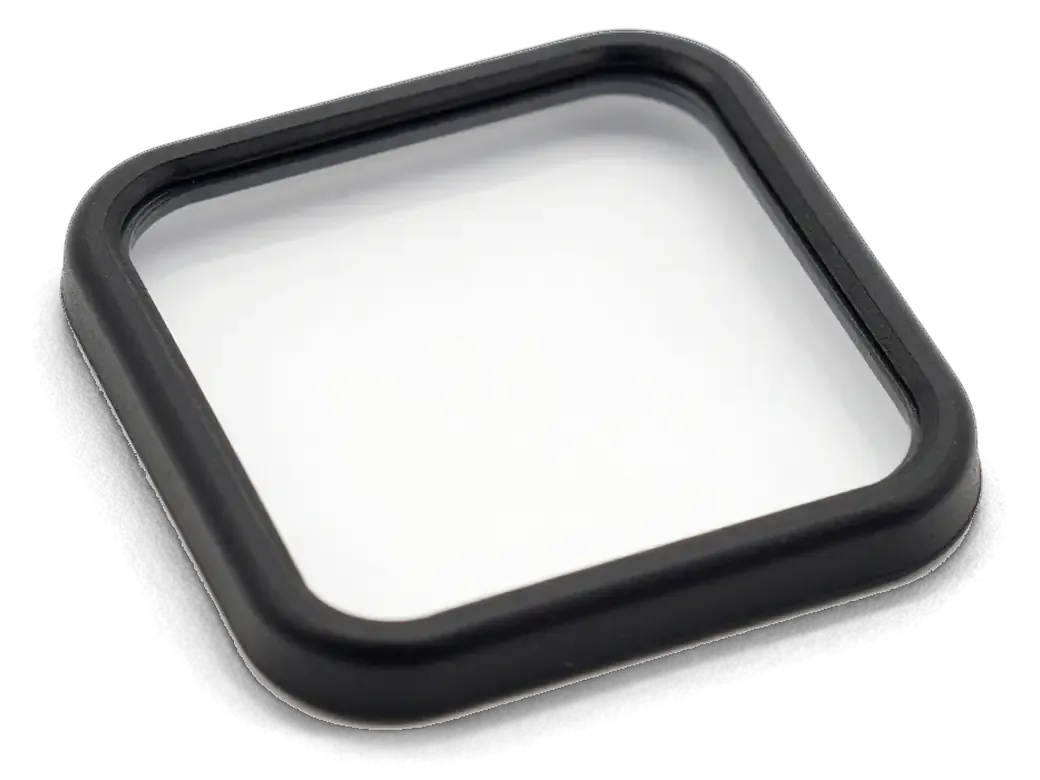
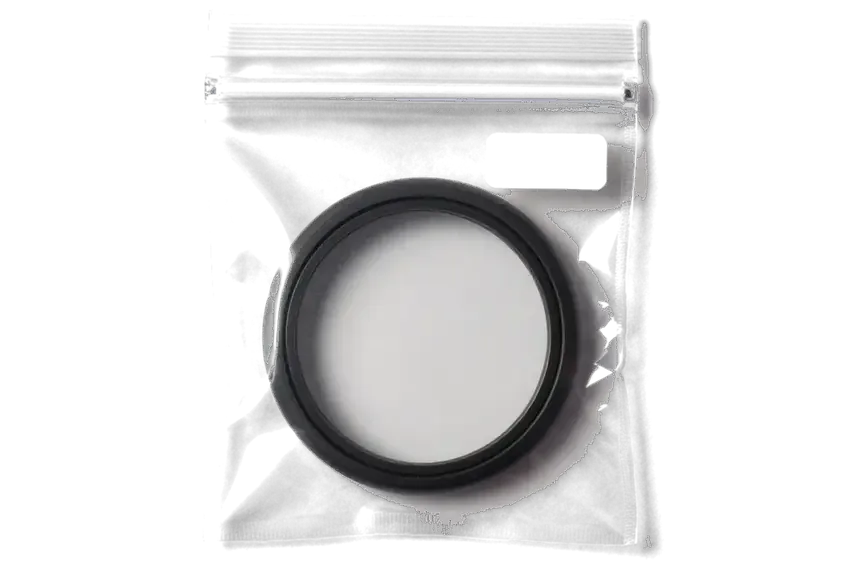
The protective glass is the thin transparent cover over the lens, often called the camera eye or window, while the optics and module sit underneath and stay in place during a glass swap. This disc is sealed into a metal ring; the curved optical element behind it bends light, and the block holding the sensor, autofocus motor and stabiliser is replaced only when damage runs deeper than the top layer. A scratched covering scatters light and softens every frame, yet the parts underneath keep working as before. If a shop quotes a full camera assembly before looking at the phone, ask which component is damaged, because a scratched top layer and a dead autofocus motor are fixed differently. We inspect the device during free diagnostics and show what is broken before ordering any part.
Signs That Point to the Glass and Signs That Point to the Module
- Chips or spider lines on top: cracks or missing fragments, yet pictures still lock focus on a near object.
- Dust and glare beneath the covering: bright halos and grey specks in shots while autofocus behaves normally.
- Soft focus with an intact surface: the image stays blurry even when the phone is clean, which points to the module or stabiliser.
- Rattling or a black preview: shaking the device or a dead camera screen means the block needs attention, not just the outer layer.
What iPhone 7 camera glass replacement Does to Your Photos
A crack in the cover is not only a cosmetic problem. It changes how light reaches the lens and opens a path for dust and moisture, so the honest answer about waiting is worth spelling out.
Glare, Soft Focus and Dust Getting Under the Glass
A cracked cover scatters light and produces glare and haze in photos, and the same gap lets fine dust and moisture reach the module, where they are far harder to remove than a piece of glass. The fracture line acts like a prism: bright windows, streetlights and the sun smear into streaks that no editing app can fully reverse, while autofocus hunts because contrast in the frame drops. Once grit settles on the optic surface behind the glass, every shot carries a faint soft veil, and moisture trapped there can fog the optics from the inside after a cold morning walk. Small chips along the crack line are the real danger, because they sit directly above the lens and every pocket trip grinds them against the coating, so a hairline crack can quietly turn into a scratched lens.
Can You Keep Shooting With a Cracked Cover
You can still take photos while the cover is cracked, but the sooner the swap is booked the better, because the module underneath is what actually costs money to replace. The glass itself is a small metal-ringed part, while the camera module behind it is a far more involved job, so the longer you shoot with exposed glass, the wider the gap between a simple swap and a deeper repair. Fragments do not stay put: pressure from a tight pocket or a bag of keys pushes shards downward, and each one drags across the optic surface. If you must keep using the phone, avoid pressing on the cracked area and keep it away from keys, since pressure and grit push fragments deeper toward the lens.
How We Replace the Camera Glass on iPhone 7
The iPhone 7 carries a single camera in a raised metal ring, which makes the glass swap simpler than on multi-camera models. Here is what happens between handing over the phone and getting it back.
One Camera in a Metal Ring and Why That Matters
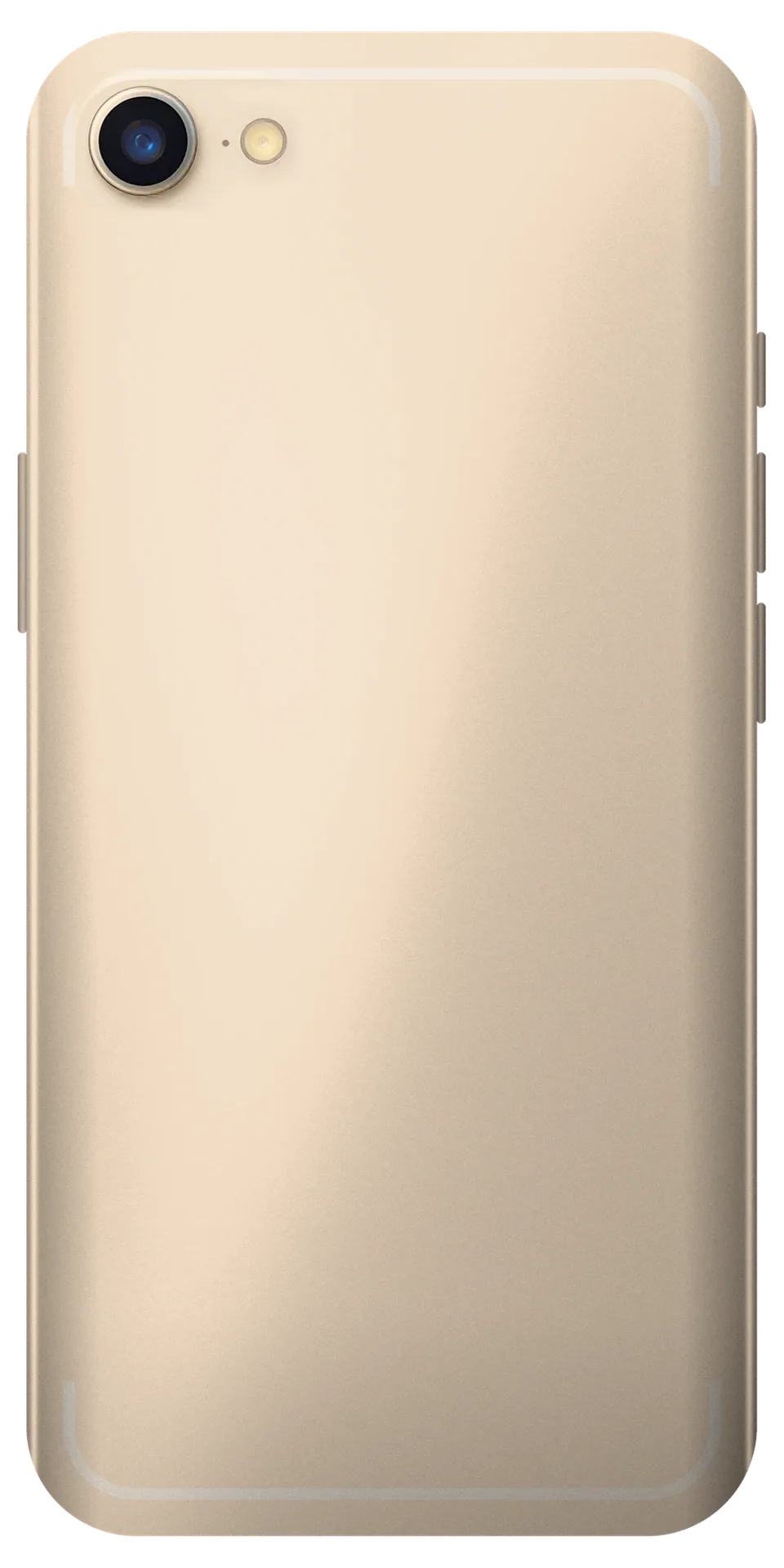
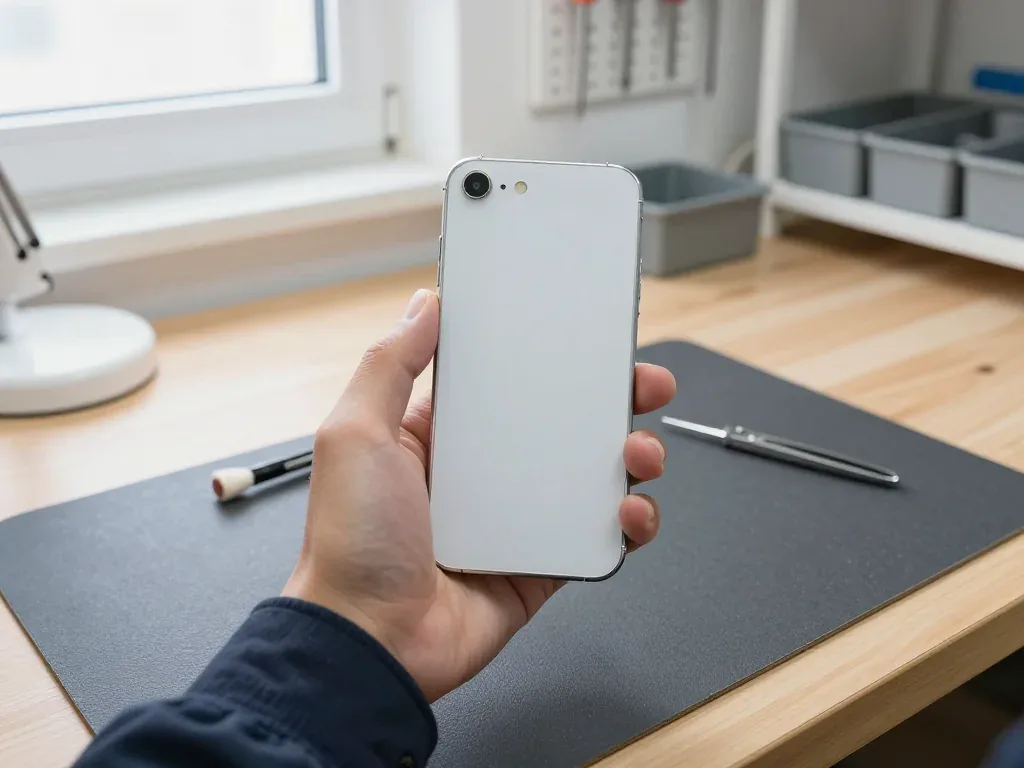
The iPhone 7 has one main camera set in a raised aluminium ring, so there is a single protective glass to replace, unlike the Plus models with two lenses or the Pro models with three separate covers. That one pane sits proud of the body, which changes how the phone meets a hard floor. In a fall the metal ring lands first and absorbs the impact, so the glass above the lens takes the damage while the module underneath usually stays intact. The same raised lip is worth a close look before any new cover goes in: a bent rim will not hold a flat part, and seating has to be checked with the phone face down on a level surface. A bent rim has to be corrected before fitting, otherwise the new glass will not seat flush.
Removing Fragments, Cleaning the Seat and Fitting New Glass
- Heat and lift: we warm the adhesive, then lift out every shard with fine tweezers.
- Clear the recess: old glue, dust and micro-fragments come out before anything new goes near it.
- Protect the module: the engineer keeps dust off the camera while the old glass is cleared.
- Press and seat: the new cover is pressed evenly so it sits flush on all sides.
- Inspect: the part is checked under light for trapped particles before the phone goes back.
Original and Aftermarket Covers Side by Side
Comparing factory and aftermarket camera glass options| Parameter | Original cover | Aftermarket cover |
|---|
| Coating and glare control | Factory coating, minimal flare | Good coating, slightly more flare |
|---|
| Fit in the ring | Exact, flush seating | Close, minor tolerance |
|---|
| Adhesive and sealing | Factory adhesive layer | Service adhesive applied on site |
|---|
| Availability on the day | Confirmed after diagnostics | Confirmed after diagnostics |
|---|
Checking the Result Together and the Warranty You Get
A glass swap is only finished when the camera still behaves the way it did before the crack. That is why the check happens with you standing at the counter, not behind a closed door.
The Camera Tests We Run Before Handing the Phone Back
- Photo capture: shoot a few frames at close range, then zoom into the preview to look for haze or a soft corner.
- Autofocus: tap between near and far objects and watch whether the lens locks quickly or hunts while settling.
- Video recording: record a short clip while walking, then play it back to check sound pickup and flicker.
- Flash: fire it on a plain wall to confirm the LED still works and no light leaks around the new component.
- Front camera: switch lenses and take one shot, since the final check covers the cameras on both sides of the phone.
Receipt, Warranty Card and Your Old Glass
Before any work starts we fix the price, the component, the turnaround and the coverage term on the receipt, and when you collect the phone you get the card and the old glass back. Coverage runs up to 1 year and is written on both the receipt and the warranty card. We hand the removed glass over in a small bag, so you can see exactly what came off the camera. Keep the receipt until the term ends, since it names the exact element fitted and makes any later claim a matter of reading a document rather than recalling a conversation. The same paper lists whether the element was original or aftermarket, so you always know what was fitted.
Timing, Waiting and Getting Your iPhone 7 to Us
Most owners want to know two things before leaving home: how long the device will be away from them and how to start the process without a wasted trip.
Twenty Minutes at the Counter and the Waiting Area
The camera glass swap itself takes about 20 minutes, and from first contact to pickup the whole visit usually fits inside an hour, with a waiting area, coffee and Wi-Fi while you sit. Diagnostics run in front of you, and you wait in the waiting area while the cracked cover is replaced and the fresh one fitted. Most repairs finish while the customer waits nearby, and this job is among the shortest on the list — the battery takes 25 minutes and the screen 40 minutes. Drop in on a weekday morning if your schedule allows it, because the engineer can walk you through the photo test without a queue forming behind you.
Sending a Photo First and Choosing How to Pay
- WhatsApp photo: send a shot of the damage and an engineer replies within 5 minutes with a price and a free time slot.
- Payment options: settle by Kaspi, card or cash once the handset is back with you.
- Courier pickup: if you cannot travel, a courier can be called to collect the device and return it after the repair.
- Free diagnostics: the engineer inspects the handset in front of you for 15 minutes, even if you decline the repair.
- Fixed on the receipt: price, part, turnaround and warranty are written down in 2 minutes before work starts.
Summary: iPhone 7 camera glass replacement
A short recap of what a cracked lens cover is, how the swap works on this model, and what to keep once the phone is back with you.
- Two separate parts: the glass sits over the lens in its own metal ring, while a healthy camera module behind it keeps working and stays in place.
- Early warning signs: glare in backlit shots, soft focus and dust under the cover mean the glass is due for a swap, not the camera itself.
- Single-glass job: this model carries one camera in a raised ring, so the repair is one piece decided after a brief inspection.
- Checked on the spot: focus, photo and video capture and the flash are tested before the phone leaves, so any issue surfaces while you are still there.
- Paperwork to keep: a receipt naming the part and the warranty, plus the old element, is what stays with you after the visit.







 iPad
 MacBook
 iMac
 Mac mini and Studio
 Apple Watch
 AirPods
 Apple Pencil
 Apple TV
 HomePod