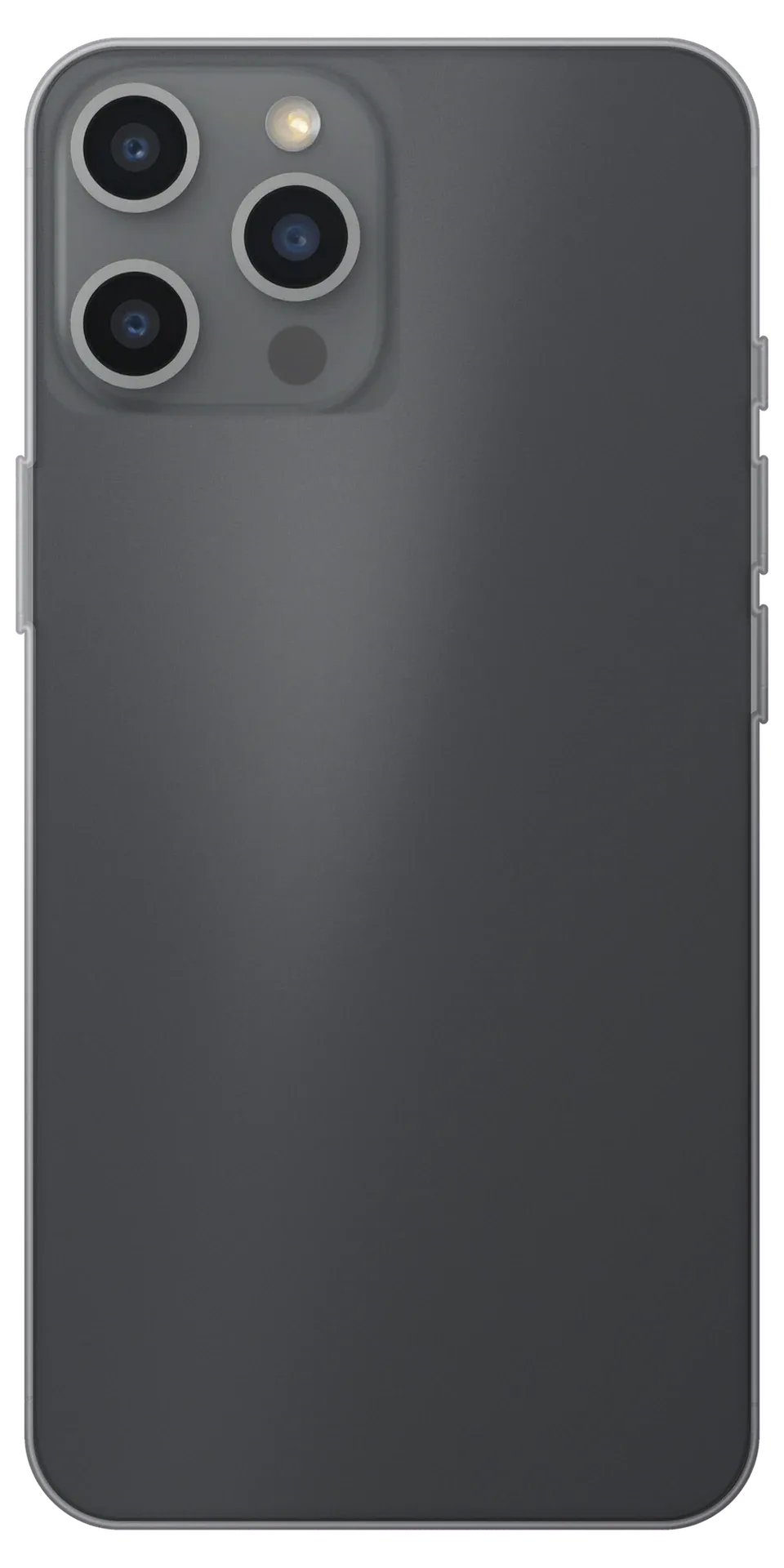
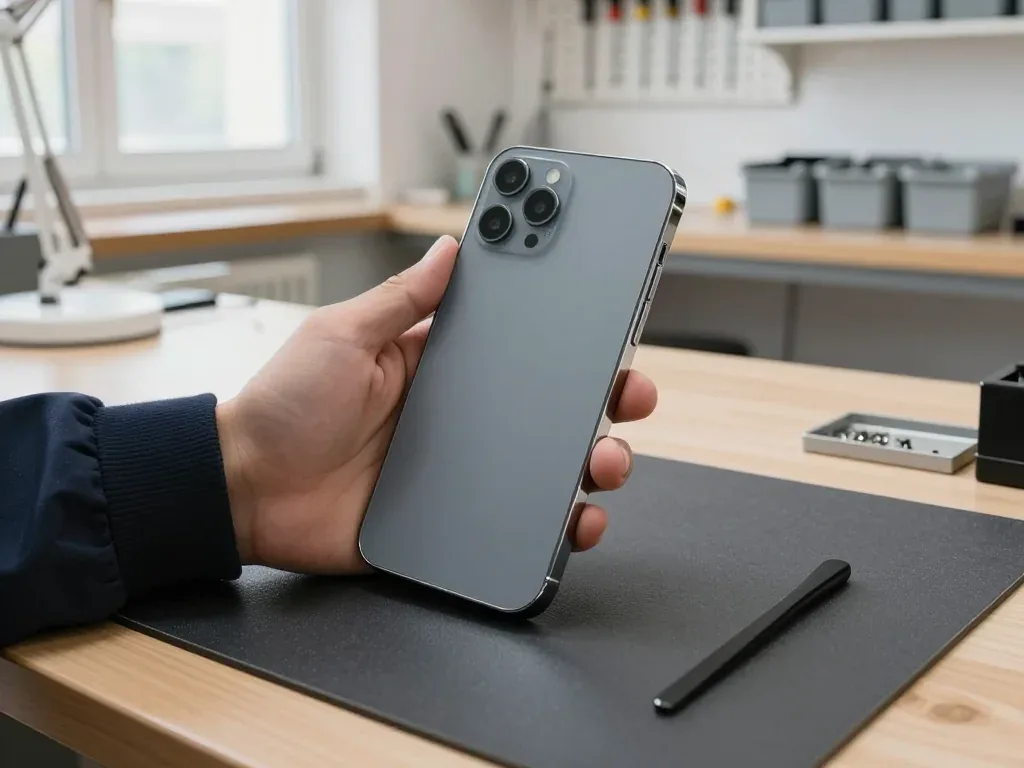
The 11 Pro Max has a stainless steel frame and a matte glass back bonded into it. Whether you need the whole housing or just the rear panel depends on the chassis, not on how big the crack looks.
Reading the damage on a stainless steel frame
A crack that stays inside the rear panel with a straight, unbent chassis usually means the back panel can be replaced on its own, while any dent, gap or curve in the stainless steel points to a full housing. On the 11 Pro Max the glass is bonded to the steel, so impact energy travels straight into the frame instead of stopping at the surface. Look at the seam where the rear panel meets metal: a visible gap on one side or a button that sits slightly proud tells you more than the crack pattern itself. Run a fingertip along the chassis edge and lay the phone face-down on a flat table — a phone that rocks has a bent body that a fresh back will not sit flush on.
Three damage patterns and what each one requires
damage types against the scope of work each requires| Damage pattern | What it usually needs | What we check first |
|---|
| Cracked back panel, frame straight | Back panel replacement | Frame flatness, camera island |
|---|
| Dented or bent stainless frame | Full housing replacement | Buttons, SIM tray fit, antenna lines |
|---|
| Broken camera island only | Camera glass or housing, depending on frame | Lens alignment, flash, microphone |
|---|
What an iPhone 11 Pro Max housing replacement involves
An iPhone 11 Pro Max housing replacement in Astana is a full teardown and rebuild, not a glass swap. Every part inside the phone travels into the new housing, and the order of that transfer is what protects the components.
Moving the internals into the new frame
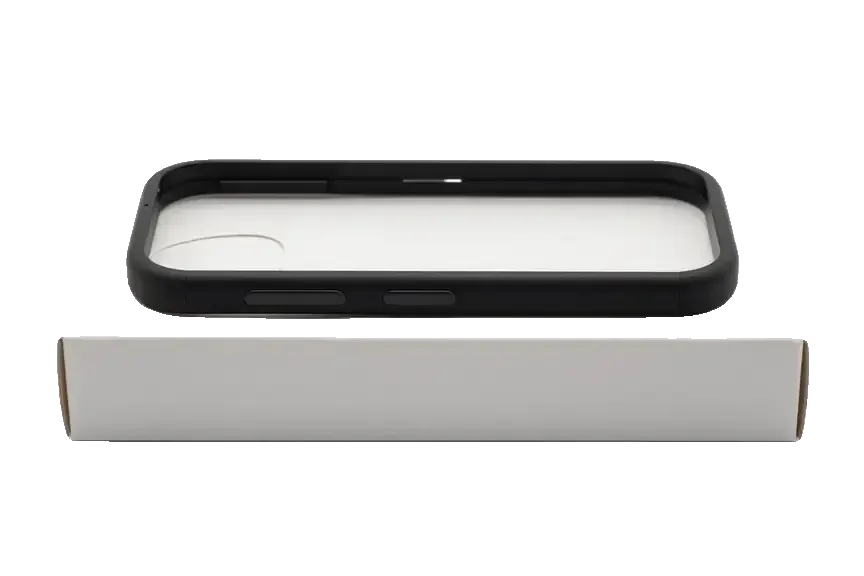
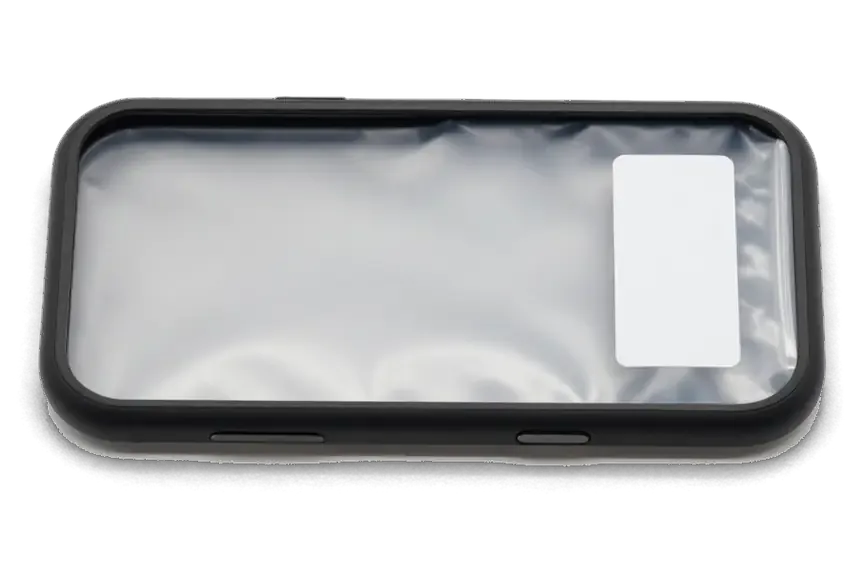
We move the logic board, battery, three cameras, Taptic Engine, speakers, charging flex and button flexes into the new housing, then reseat the Face ID module exactly as it came out. The iPhone 11 Pro Max housing replacement starts with the display off and the battery connector released, so nothing is live while the board is lifted. Each flex is tagged on a tray in the order it comes free, because the antenna connectors sit under the camera cowling and pinch easily on reassembly. We show the new part in its factory packaging before anything goes in. The Face ID module is paired to the board, so it is transferred as a unit and never swapped for another one — that is why the True Depth assembly is handled first and set aside before anything else is unscrewed. The same sequence applies from the first screw to the final check.
Why the matte finish and steel body change the job
The 11 Pro Max bonds a matte rear panel into a stainless steel chassis, so the rear is not pried out and the body carries the antenna and button openings. The X, XS, XS Max and 11 Pro all share that band, which is why a cracked back on this generation is a housing job rather than a glass-only fix. The matte finish scatters light, so a fresh fracture reads as a dull streak instead of a bright line, and the adhesive bead runs the full perimeter under the lip. After any drop, inspect the seam where panel meets metal — a hairline gap there lets dust in long before the crack becomes visible.
Original or aftermarket iphone 11 pro max housing replacement and what the difference looks like
Both options are compatible and functional, yet they differ in finish, tone match and how the seams sit up close. The decision stays with you, and we put it on the receipt before anything begins.
Comparing original and aftermarket housings
Заводская деталь против совместимого аналога| Parameter | Original housing | Aftermarket housing |
|---|
| Finish and texture | Genuine matte glass | Close match, slightly different feel |
|---|
| Tone accuracy | Exact original colour | Small variation possible |
|---|
| Seam and gap alignment | Manufacturer tolerances | Decent alignment, minor gap differences |
|---|
| What the receipt lists | Part type locked in advance | Part type locked in advance |
|---|
Colour, wear and the look after the swap
A fresh housing brings the back to an unmarked look, and since the 11 Pro Max shipped in several finishes, the colour of the replacement is a separate decision from the model itself. Midnight Green, Silver, Space Grey and Gold each read differently against the steel band, and a matte back hides fingerprints better than a glossy one. Daily handling leaves its trace: fine scratches on the rear panel and dull patches on the frame tend to show up together after months in a pocket or case. The stainless band on this device resists polishing — anodised aluminium frames on the 8, 8 Plus, XR and 11 can be refinished, but marks on the metal stay visible. That is why a scuffed frame often triggers the whole swap while the rear panel is still intact.
The functions we check after the new housing is on
A housing touches almost every function in the phone, so the check after assembly is longer than for a screen or battery. You run through it with the engineer before the device leaves the bench.
Face ID, cameras and wireless charging on the test list
After the swap we check 32 functions in about 10 minutes, and on the 11 Pro Max the critical ones are Face ID, all three cameras, the flash, wireless charging, microphones, speakers, network and every button. The True Tone sensor sits close to the top edge, so a slightly misaligned gasket can dull the display tint. The wireless charging coil is bonded to the back panel itself, which means it is only as good as the seating of the new rear panel over it. Microphones hide in the bottom edge and near the camera bump, and both need a live test rather than a visual one. Wireless charging is the function most often missed at other shops — test it on a pad before you leave, so any seating issue is caught while the unit is still open on the bench.
What happens to water resistance after the swap
Once a housing is opened, the factory barrier is broken, and even with a fresh adhesive gasket the handset should be treated as splash-resistant rather than waterproof. The original protection is applied under factory pressure and cured in a way no bench can repeat, so the rating printed on the box no longer describes the device in your hand. A new gasket restores a barrier against rain, splashes and a wet palm, but not against a drop into water or a steamy bathroom. We press the adhesive evenly around the full perimeter and check that the body sits flush on all four sides. That barrier only works if the body is perfectly flat, which is another reason a bent housing is replaced rather than reused — pressing a fresh rear panel onto a warped chassis leaves a gap the adhesive cannot close.
Booking the work, timing and what you take home
The visit is built around a photo, a receipt and a bench check. Most of it happens while you wait, and nothing is unscrewed until the details are agreed and written down.
From a WhatsApp photo to a fixed receipt
Send a photo of the damage on WhatsApp and an engineer replies within 5 minutes with a price and a free time slot, then fixes the price, part, turnaround and warranty on the receipt in about 2 minutes ahead of any work. We write down whether the housing is original or aftermarket, so the figure on the paper matches the figure you were quoted — no revision once the device is open. The new part arrives in factory packaging and we open it in front of you at the bench, alongside the old frame for comparison. The warranty card is filled out at the same desk, with the start date taken from the day you collect the device. Photograph the chassis corners as well as the crack — the corner shot is what tells the engineer whether to book a rear-panel job or a full housing, which keeps the visit short.
Waiting, timing and the old part you keep
The whole process from first contact to pickup usually takes less than an hour, and 72% of repairs are finished while the customer waits in the seating area with coffee and Wi-Fi. The housing swap itself is a bench job rather than a same-day queue: it means moving the logic board, cameras, Face ID module and coils across, so book a slot rather than dropping in twenty minutes ahead of closing. Payment is by Kaspi, card or cash, settled at pickup. Keep the old housing — it still carries the original camera island and coil, which are useful spares if a later drop damages only those parts, and we hand it back with the receipt and warranty card.
Summary: iPhone 11 Pro Max Back Glass and Housing Replacement
A short checklist of what decides the job: the damage pattern, the housing type, the functions to test and the protection you give up.
- Damage first: a straight body with a cracked rear panel usually needs only the back panel, while a dent or bend calls for the full housing.
- Bonded build: the 11 Pro Max bonds a matte rear panel into a stainless steel chassis, so the back is not pried out and the body carries the antenna and button openings.
- Part choice: original and aftermarket units both fit, but differ in finish, colour shade and seam tolerances, and the choice is recorded before work starts.
- Test list: after assembly, Face ID, all three cameras, wireless charging, microphones, speakers, network and buttons are worth checking on the spot.
- Protection reality: once the housing is opened, the factory water barrier is gone, so treat the phone as splash-resistant even with a fresh gasket.







 iPad
 MacBook
 iMac
 Mac mini and Studio
 Apple Watch
 AirPods
 Apple Pencil
 Apple TV
 HomePod