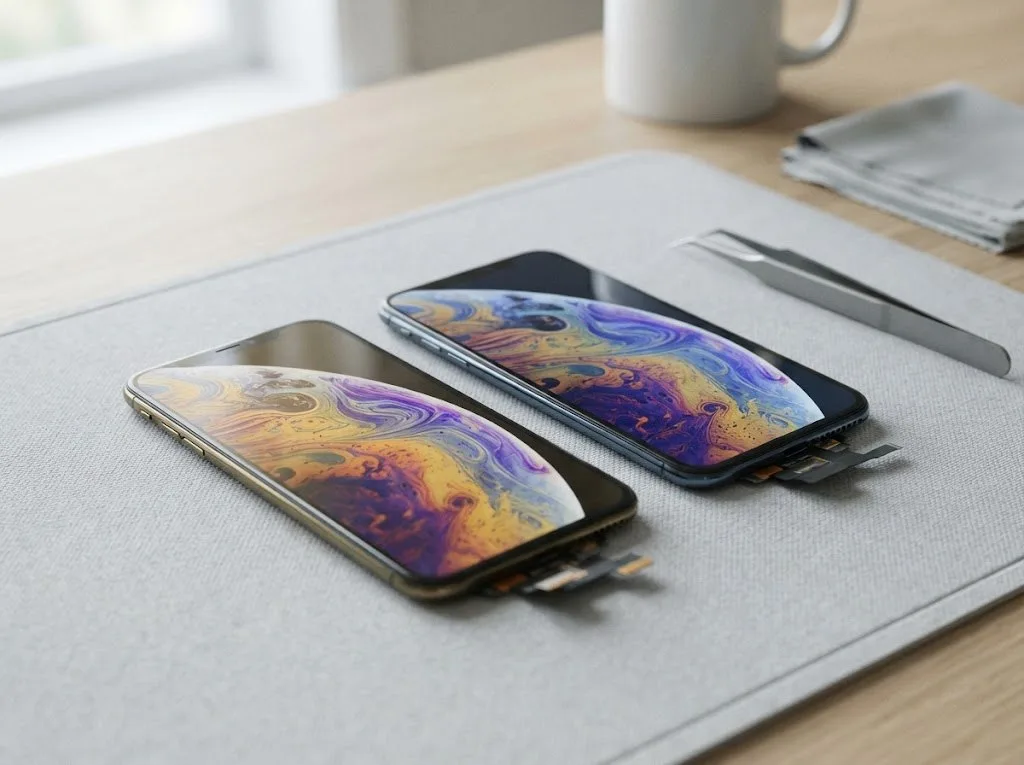
The iPhone 6 has a thin aluminium body that bends under pressure. Whether you need the whole housing or a smaller fix depends on the frame, not just the scratches you see.
How to tell a bent frame from a scratched back
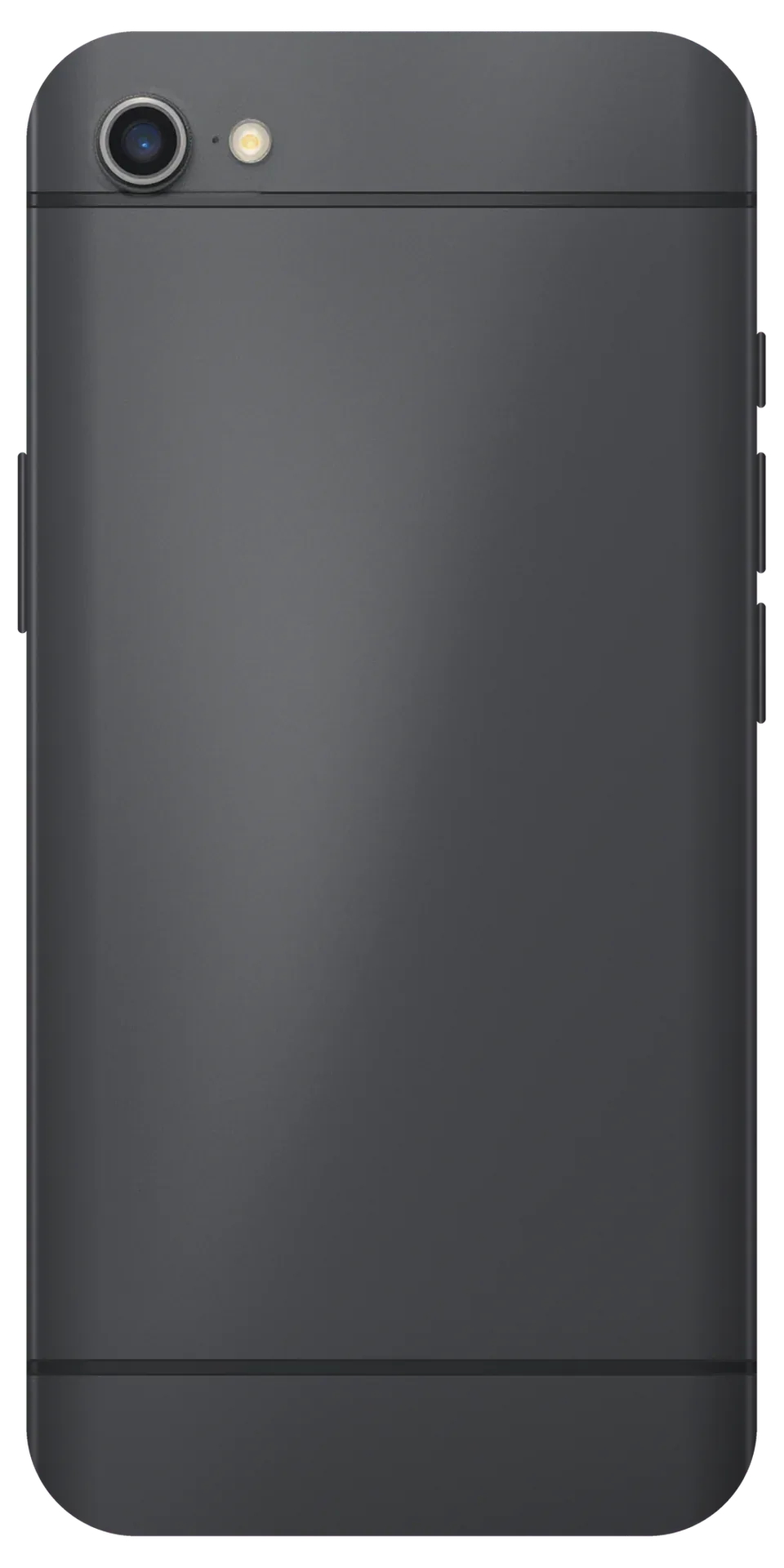
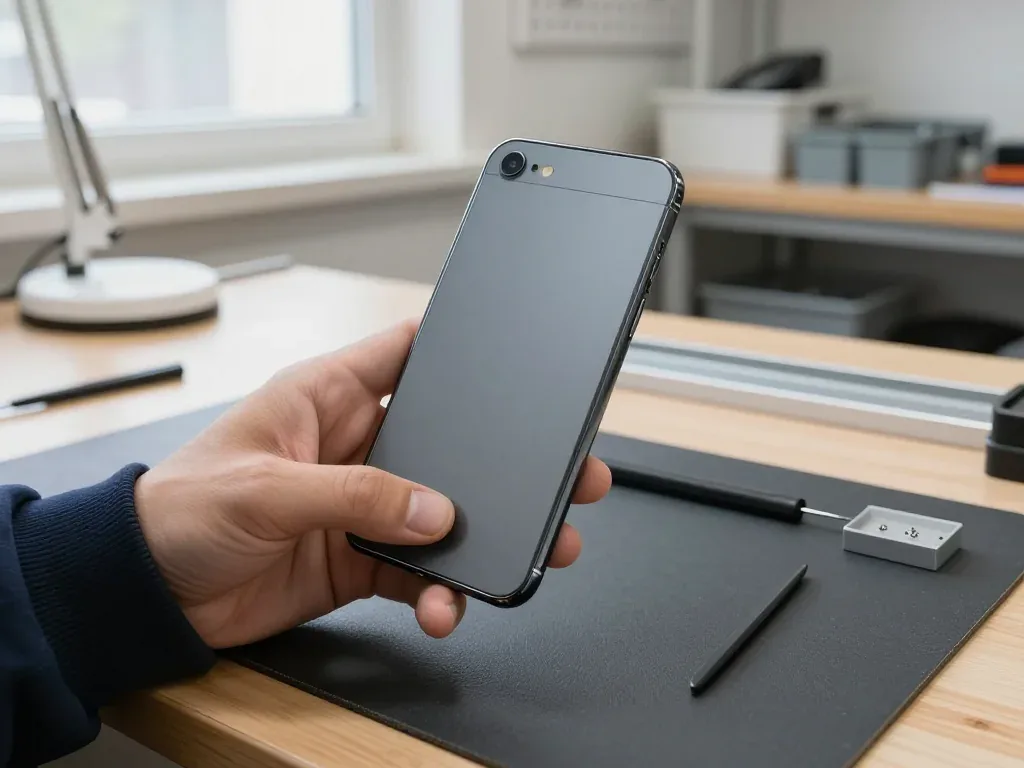
A bent chassis shows up as a gap between the screen and the body, a phone that rocks on a flat table, or a rear panel that no longer sits flush. On this model the middle frame is a single aluminium piece, and pressure from a pocket or a drop flexes it near the volume buttons and the top edge. Scratches on the back are cosmetic — they sit in the anodised coating and never move the metal. A dent, by contrast, pushes the metal inward and pulls the antenna inserts out of line. If you are weighing up an iPhone 6 housing replacement in Astana, the frame condition decides it. Lay the phone face-down on glass and press each corner; a chassis that lifts at one edge will not accept a new rear panel cleanly, so the housing has to come off.
Rear panel or whole housing, which one fits your damage
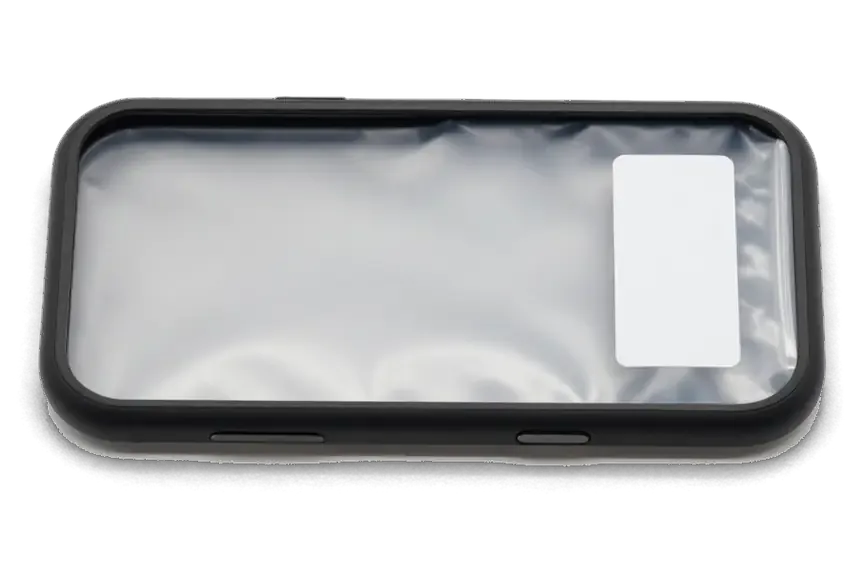
We replace the whole housing when the aluminium chassis is bent or dented, and only touch the rear panel when the metal is straight and just the surface is worn. A warped body, not just scuffs, is the common case on this model, and a straight frame is the exception. A rear panel swap keeps the original middle chassis, antenna inserts and side buttons; a full housing swap moves the board, cameras and screen into a new body with fresh seams. A new rear panel bolted onto a warped chassis leaves uneven gaps and stresses the board mounts, so straightening or swapping the metal first saves a second visit. We show you the new part in factory packaging before installation and fix the choice on the receipt, so the housing replacement in Astana matches the damage we actually found.
How the iPhone 6 body is built and why iPhone 6 housing replacement bends
The iPhone 6 uses a slim aluminium unibody with glass antenna inserts at the top and bottom. That thinness is exactly why the chassis gives way in a back pocket.
Aluminium, antenna inserts and the thin profile
The chassis is a single piece of aluminium about as thin as a pencil, with plastic bands that flex differently from the surrounding alloy. The unibody wraps the logic board and battery in one continuous casing, so the shell carries the load of a pocket, a car seat or a tight grip — not a bolted-together sandwich of plates. The 6 Plus stretches the same design over a taller body, and the extra lever length puts more stress on the middle. Both models bend at the same weak points: just below the volume keys and around the seams. Because the inserts are softer than the neighbouring alloy, a bend usually starts there, which is why a repair that ignores them leaves a visible ridge.
What moves from the old body into the new one
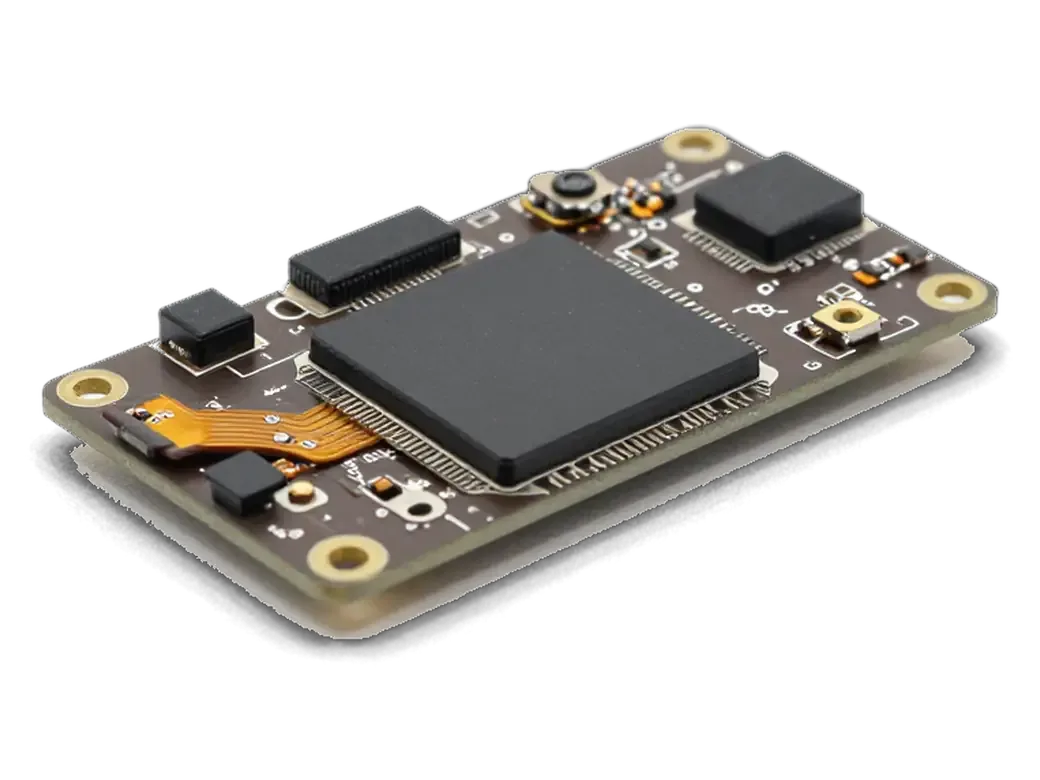
- Logic board: the main circuit, its shields and every connector stay with you and go into the new housing.
- Battery: the cell is moved across or renewed, depending on its condition after the swap.
- Cameras: both the rear module and the front camera are transferred with their brackets and gaskets.
- Taptic Engine and speakers: the vibration motor, loudspeaker and earpiece keep their exact seating.
- Charging and button flexes: the lightning flex, power and volume cables are unclipped and reseated by hand.
- Your original internals: nothing is replaced unless it is worn, so the phone keeps its own history.
Original or aftermarket iPhone 6 housing replacement and how the finish holds up
The body you pick decides how the phone feels in hand and how the panels line up. We stock both original and aftermarket shells and let you compare them before we commit.
Matching colour, fit and antenna seams
A genuine housing matches the factory shade and gap tolerances, while a copy can sit a fraction off at the antenna strips and read slightly warmer or cooler in daylight. We keep both types on the bench, and the new part reaches you in sealed packaging, so you see exactly what goes in before installation. The iPhone 6 shell comes in silver, gold and space grey, and a copied gold often drifts toward champagne, while the grey reads flatter next to the genuine one. Antenna inserts are the second tell: on a factory body the plastic strips sit flush with the aluminium, and on a replica they can stand a hair proud or leave a thin line you catch with a fingernail. Bring the phone into natural light before you decide, since a colour that looks identical under shop lighting often shows a tint difference once you step outside.
Comparing housing options side by side
housing types compared by finish and receipt record| Housing type | Finish and fit | What we note on the receipt |
|---|
| Original | Factory shade, tight seams | Part type and warranty |
|---|
| Aftermarket | Close shade, seams may vary | Part type and warranty |
|---|
| Rear panel only | Surface refresh, frame unchanged | Part type and warranty |
|---|
What we check before your iPhone 6 leaves the bench
Once the fresh body is on, the device is only half done. We run a full function pass with you watching, because a housing swap touches almost every part of the unit.
The functions we test together after assembly
- Cameras and microphones: we open both lenses and record a short clip to catch dust, blur or a dead mic.
- Speakers and charging: the earpiece, loudspeaker and Lightning port are tested under load, not just switched on.
- Network and antennas: call, Wi-Fi and cellular data are checked against the replaced antenna inserts in the chassis.
- Buttons: volume, power and the mute switch are pressed and confirmed on screen.
- Final walkthrough: you repeat the key checks with the engineer and sign off before the handset leaves the bench.
Why water resistance is never the same after opening
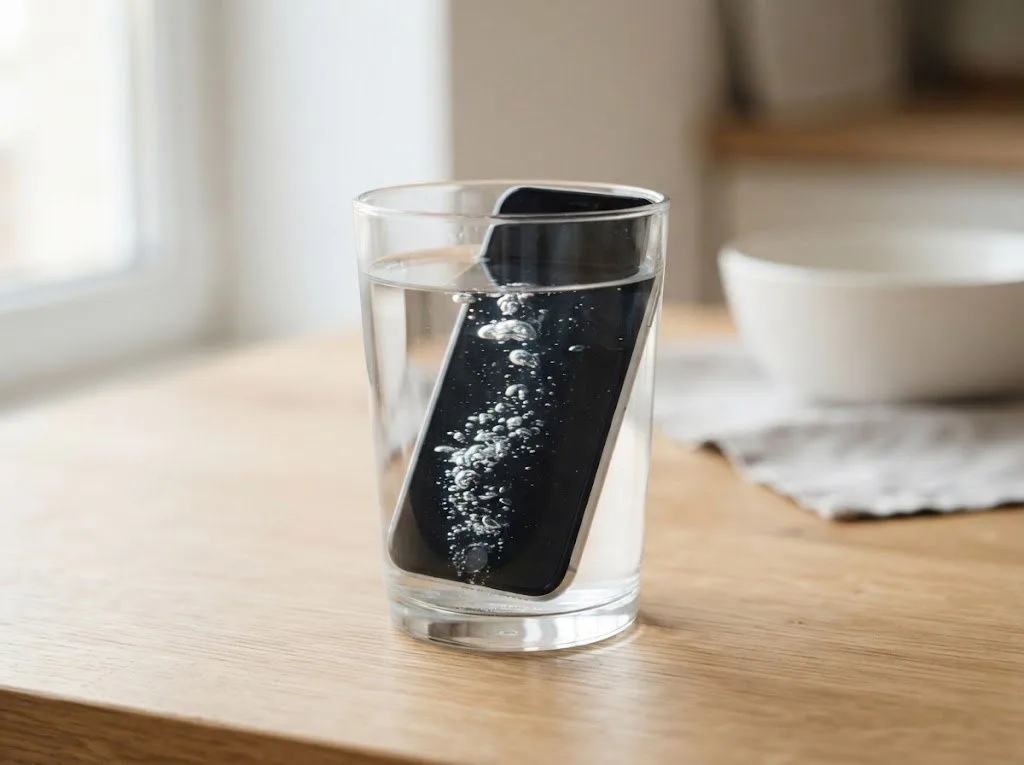
A fresh adhesive gasket restores a barrier, but the factory water resistance rating no longer applies once the handset has been opened and reassembled by hand. The original bonding is pressed at the plant under controlled pressure, and a hand-applied replacement sits differently along the chassis edges, especially near the antenna inserts. That is why we treat every reassembled unit as splash-resistant only. The gasket we fit is unused and seated evenly, yet no bench test can reproduce the plant press. Treat the device as splash-resistant rather than waterproof afterwards, and keep it out of pools and heavy rain even though the rubber looks intact.
Booking, timing and what you take home
The visit is built around your time. A photo starts the quote, the receipt locks the details, and most iPhone 6 housing jobs are done while you wait in the lounge.
From a WhatsApp photo to a fixed receipt
Send a shot of the damage on WhatsApp and an engineer replies within 5 minutes with a price and a free slot, then fixes the part, turnaround and warranty on the receipt prior to any work. The technician checks the device in front of you during a free 15-minute diagnostic, so a bent frame and a cracked rear panel are priced on what is actually broken rather than on the image alone. The new housing is shown in factory packaging ahead of installation, and the paperwork takes about 2 minutes to prepare. Keep that document, because the warranty card is checked against it if anything needs a second look later.
Waiting in the lounge or sending a courier
Most iPhone 6 housing replacements finish in under an hour, and 72% of our repairs are completed while the customer waits in the lounge with coffee and Wi-Fi. The whole process, from the first message to pickup, usually takes less than an hour when the component is in stock; the engineer confirms the window before you set off. Our workshop runs in Almaty and Astana, and 64% of customers choose an original housing, which is the option that keeps colour match and antenna seams closest to factory. If you cannot stay, a courier can be called to collect and return the phone, but confirm the slot first so the device does not sit overnight between pickup and bench.
Summary: iPhone 6 Housing Replacement
The points below sum up how the iPhone 6 shell is built, when a full replacement beats a rear panel, and what to confirm before the chassis is opened.
- Dents versus surface wear: a bent or dented aluminium chassis needs a full replacement, while a straight one with a worn surface can take a rear panel alone.
- Why the seams give first: the shell is thin aluminium with softer antenna inserts, so bends usually start there and spread across the back.
- What the job moves across: the board, battery, cameras and flexes transfer into the new unit, so every button and camera is tested afterwards.
- Water resistance after opening: it drops even with a fresh gasket, so treat the phone as splash-resistant around sinks and rain.
- Original versus aftermarket: the two differ in shade and seam fit, and the chosen part, turnaround and warranty go on the receipt before work starts.







 iPad
 MacBook
 iMac
 Mac mini and Studio
 Apple Watch
 AirPods
 Apple Pencil
 Apple TV
 HomePod