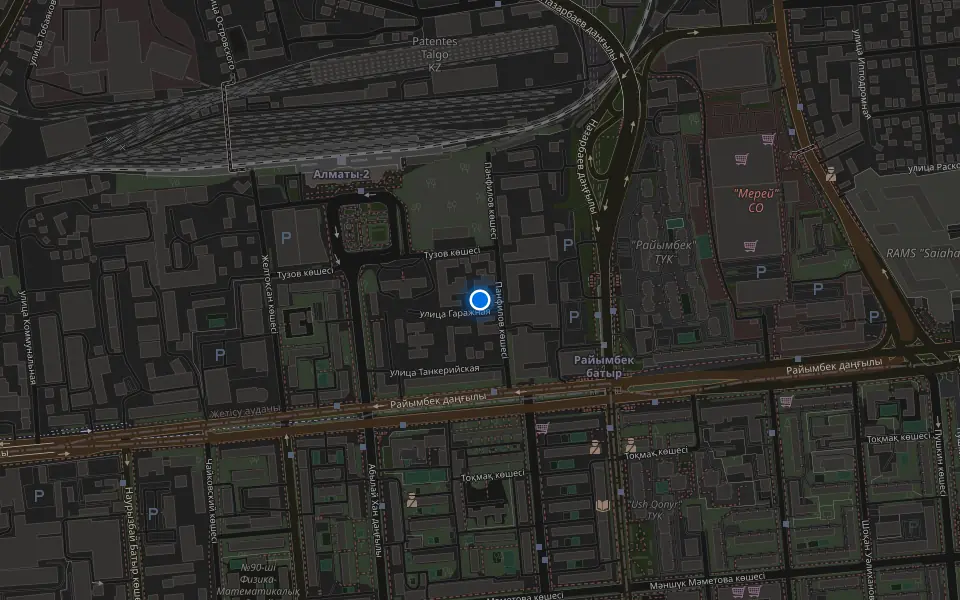
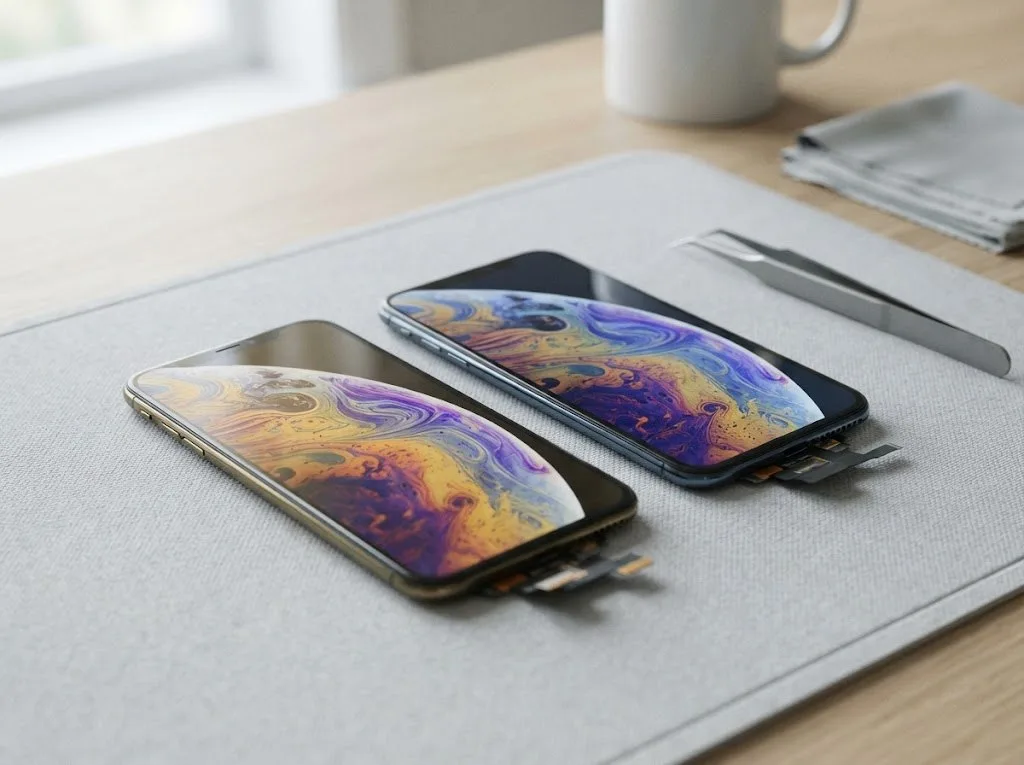
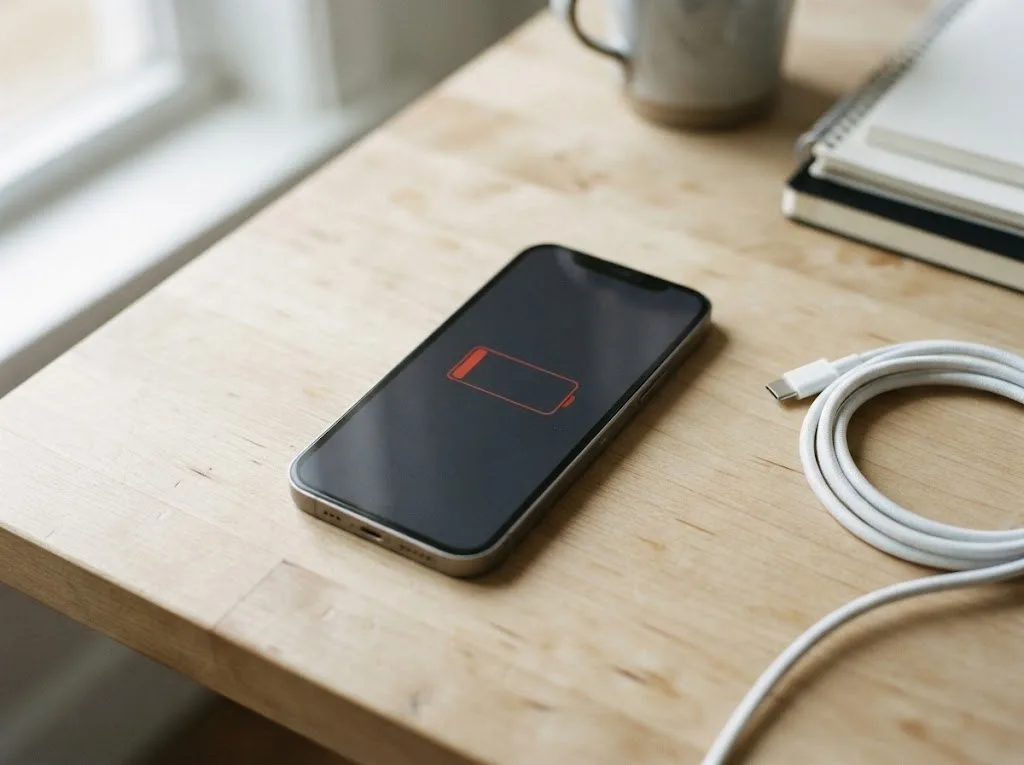
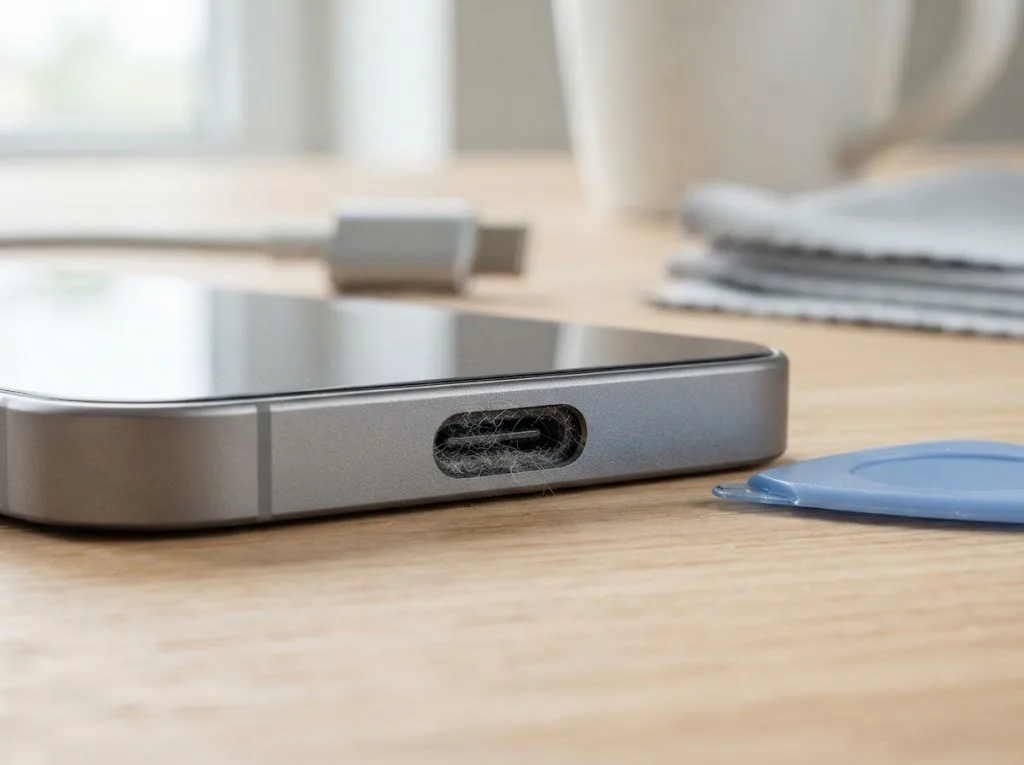
The XS is an OLED, steel-frame, Face ID phone, so its weak points differ from older models. Here is what owners bring in most and how each fault shows up.
The Faults We See Most on This Generation
Most iPhone XS repair jobs we handle come down to four faults: a cracked display, a worn battery, a clogged or oxidised Lightning port, and camera glass damaged by a drop. The OLED panel is bonded to the front layer, so one hairline crack can spread across the view within days and take the touch layer with it. The cell inside has usually been through several hundred full cycles by now, and its capacity fades quietly rather than all at once. The charging socket collects pocket lint and corrodes at the contacts, which owners often blame on the cable. A steel frame protects the body but transfers impact straight into the screen, so a short fall often cracks it while the housing looks untouched.
Symptom, Likely Cause and What We Do
Matching visible symptoms to the part that actually fails| Symptom | Likely cause | What we do |
|---|
| Lines or green tint on screen | OLED panel damage | Replace the display module |
|---|
| Drops fast, shuts down | Worn cells | Fit a new battery |
|---|
| Will not charge | Dirty or oxidised socket | Clean or replace the port |
|---|
| Blurry photos, cracked lens | Broken lens glass | Swap the camera glass |
|---|
| No sound on calls | Blocked or failed speaker | Clean or replace the speaker |
|---|
Battery and Charging Problems on the XS
We replace an iPhone XS battery in about 25 minutes, and we check the Lightning port at the same time because a worn cable and a worn socket produce the same complaint. The charge flex underneath is a separate part, and a slow charge on a known-good cable usually points to it rather than to the cells. Battery health in Settings is a guide, not a verdict: sudden shutdowns in the cold usually mean the cells are tired even when the percentage still looks acceptable. If the phone only charges at a certain angle, the contacts are dirty or bent, and cleaning takes minutes compared with a board repair. Bring the cable you normally use, so the engineer can rule it out before anything is opened.
Glass Only or the Whole Display Module for iPhone XS Repair
A cracked XS screen is not always a full module job. Whether the glass alone can be replaced depends on the OLED panel underneath, and that is what the diagnostic decides.
When the Glass Can Be Replaced on Its Own
If the OLED panel still shows a clean image and the touch layer responds everywhere, we can replace only the cracked glass and keep your original display. The engineer runs a finger across all four corners, opens a white test image and checks for shadows under the shards before quoting this route. A glass-only job suits hairline cracks and chips at the edge, where the picture underneath is untouched. It does not suit a panel with pressure marks, because the new glass would sit over a flaw that only grows. A glass-only job keeps the panel that was matched to your phone at the factory, which is why the picture and touch feel stay exactly as before.
When the Full Module Has to Go
We replace the whole display module when the OLED shows lines, dead zones or a green tint, because those faults live in the panel, not the glass. A green or pink tint across the lock screen, black patches that spread after a drop, or a strip where touch stops responding all point to the matrix itself. In those cases the glass is the healthy layer, and swapping it would leave the real fault in place. We show you the test image on the bench so the difference between a glass crack and a panel fault is visible before you decide. Touching a damaged panel to save the glass usually spreads the fault, so replacing the module in one pass is the cheaper route over time.
What Happens to True Tone After a Screen Repair
True Tone keeps working after a screen repair when the calibration is transferred to the new display, and we do that transfer as part of the job. The setting adjusts white balance to the light around you, and it reads data stored in the display itself rather than in the phone. On a genuine module the transfer is routine; on an aftermarket panel it depends on the chip the supplier used. Some aftermarket panels cannot hold the calibration, so if True Tone matters to you, say so before we order the part and we will confirm it on the bench first.
Choosing an Original or Aftermarket Part
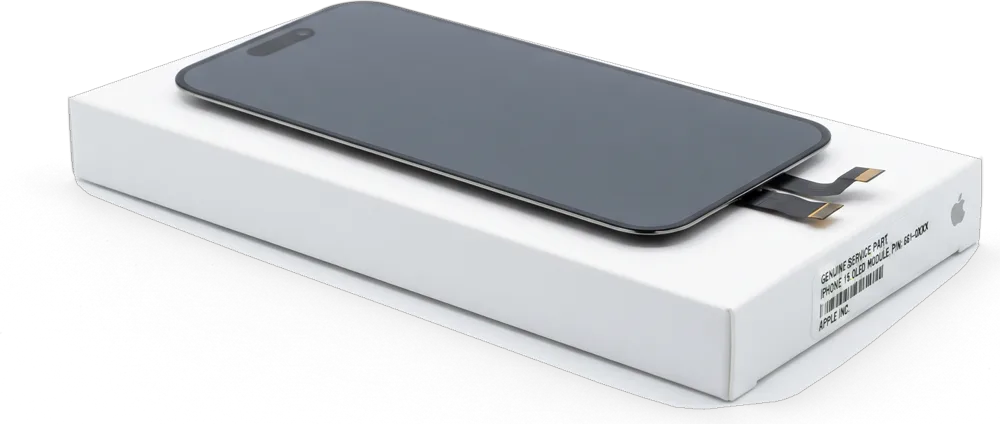
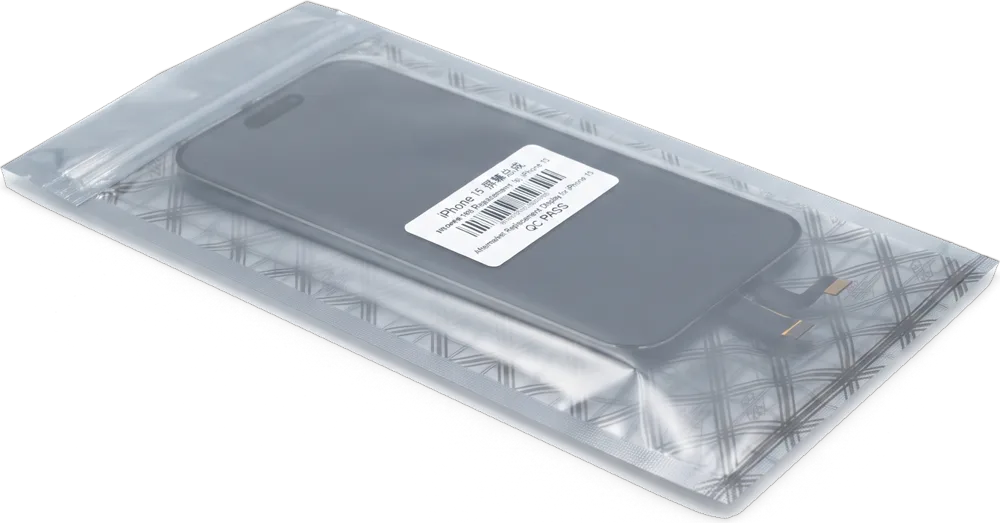
Both options are legitimate, and the real difference lies in the functions they keep and how long they last. We show the component in its factory packaging before fitting, so you see exactly what goes into your phone.
How the Two Options Differ in Practice
Comparison of part types by retained functions| Part | Functions kept | Best for |
|---|
| Original display | True Tone, full brightness, no parts message | Long-term owners |
|---|
| Aftermarket display | Image and touch, True Tone may vary | Budget repairs |
|---|
| Original battery | Full health reporting | Daily heavy use |
|---|
| Aftermarket battery | Charging and runtime | Short-term use |
|---|
Why 64% of Our Customers Pick the Original
Around 64% of our customers choose an original part, mostly because it keeps every function the phone shipped with and holds its resale value if they later sell the device. We fit the component in front of you, show it in factory packaging, and note the exact type on the receipt before any work begins, so there is no ambiguity about what sits inside. Owners who plan to keep their XS for another two or three years tend to go original on the display, since True Tone and brightness behave predictably and no parts message appears. An aftermarket unit is not a bad choice; it is a different trade-off, and we write the exact type on the receipt so there is no confusion later.
What the Parts Message on Screen Really Means
The parts message is an indicator of the part type, not a fault, and it does not stop the phone from working. It appears because the device remembers its factory components and compares them against what is currently installed. An original part fitted correctly avoids the message, while some aftermarket units trigger it by design. Face ID, touch response, cameras and charging keep working regardless; the notice is informational. If you see it after a repair elsewhere, the screen or battery was likely replaced with a non-original unit, and the message simply records that fact. It does not affect daily use, and it clears once a matching original component is fitted.
How a Visit Runs From Photo to Pickup
The whole path from your first message to pickup usually takes under an hour. Here is each step, so you know what to expect when you hand over the phone.
From a WhatsApp Photo to a Fixed Quote
Send a photo of the damage on WhatsApp and an engineer replies within 5 minutes with a price and a free time slot. Our technicians work from the image, and if the picture shows a clear crack or a dead screen, they can often name the exact component while you are still at home. We have run 46,000+ repairs over 11 years, so the first reply is a working estimate rather than a guess. For iPhone XS repair in Almaty, this first message is often all it takes to get a firm quote. You can also book a slot first and send the photo afterward. A clear photo of the cracked area saves a trip, because the engineer can often identify the component from the image well ahead of your arrival.
The Receipt That Locks the Deal
Before any work starts, we fix the price, the component type, the turnaround and the warranty on the receipt, which takes about 2 minutes. The document names whether the component is original or aftermarket, states the warranty of up to 1 year, and records the expected finish time. You sign it before the technician opens the phone, and the new component is shown in its factory packaging prior to installation. Nothing on that sheet changes afterward unless you agree to it. A written receipt protects both sides, so if anything differs at pickup, the paper is the reference rather than memory.
Waiting on Site or Sending the Phone In
Most iPhone XS jobs finish in 20–40 minutes while you wait in our lounge with coffee and Wi-Fi, and 72% of repairs are completed on the spot. A screen takes 40 minutes, a battery 25 and camera glass 20, so the device is usually back in your hand before a lunch break ends. If you cannot come in, a courier across Almaty takes about 90 minutes and is free with a repair, so the phone travels without you. Both routes end the same way: you check the functions with the engineer and leave with the receipt, the warranty card and the old component. Book the courier in the same WhatsApp thread where you started, and the slot is held for you.
The 32-Point Check and What You Take Home
A repair is not finished when a new component goes in. We run a full function check with you present, then hand over the paperwork and the old component.
What We Test Together Before You Leave
After the repair we check 32 functions in about 10 minutes, including Face ID, True Tone, cameras, microphones, speakers, charging and network, with you watching. The engineer works through the list at the bench and hands you the device to try each item yourself — unlocking with Face ID, switching True Tone on and off in Settings, shooting a photo with both rear lenses and the front one, recording a voice note, playing it back through the earpiece and loudspeaker, plugging in the charger, and checking that the SIM registers on the network. We test Face ID and the cameras in front of you because a loose connector shows up immediately during the session, and it is far easier to reseat it then than to have you come back a week later.
The Warranty, the Receipt and the Old Part
You leave with the device, the receipt, a warranty card covering the work up to 1 year, and the old component in a bag. The receipt repeats exactly what was agreed before the work started — the item that went in, the turnaround and the warranty term — so nothing depends on memory. The replaced element is yours by default: we do not keep it, and we do not quietly discard it. That matters if you ever resell the phone, because a buyer can see the original was swapped rather than lost, and a documented exchange reads better than an unexplained missing piece. Keep the warranty card with the receipt in the same place.
Why a Direct Contractor Changes the Answer
We are a direct contractor with our own technicians and premises, not an aggregator or a middleman, so a single team answers for the whole job. The engineer who quotes from your WhatsApp photo is the one whose bench the phone sits on, and the same team handles the follow-up if anything needs a second look. With a middleman the phone passes between hands and nobody owns the result — the intake point blames the repair side, the repair side blames the courier, and you are the one relaying messages. Here the person who names the turnaround is the person who has to meet it. That single line of responsibility is why the answers you get at intake tend to hold at pickup.
Summary: iPhone XS Repair
A repair decision rests on a few checks that cost nothing but attention: confirming the fault, matching the component to the functions you want back, and verifying the result on the spot.
- Diagnose first: the same symptom can come from different parts, so confirm the cause on a diagnostic and treat any quote given earlier as provisional.
- Ask about glass-only: a clean OLED panel does not always need a full module, and glass replacement keeps the original display characteristics intact when the panel itself is undamaged.
- Pick the component by function: decide which features you want preserved, then have the exact type, original or aftermarket, written on the paperwork ahead of any work.
- Plan for the hour: screen and battery jobs usually finish within that window when you wait on site, while board-level work runs longer and is worth scheduling in advance.
- Verify together: check Face ID, True Tone, cameras, charging and network with the technician on the spot, since these are the functions most often affected by a swapped component.









 iPad
 MacBook
 iMac
 Mac mini and Studio
 Apple Watch
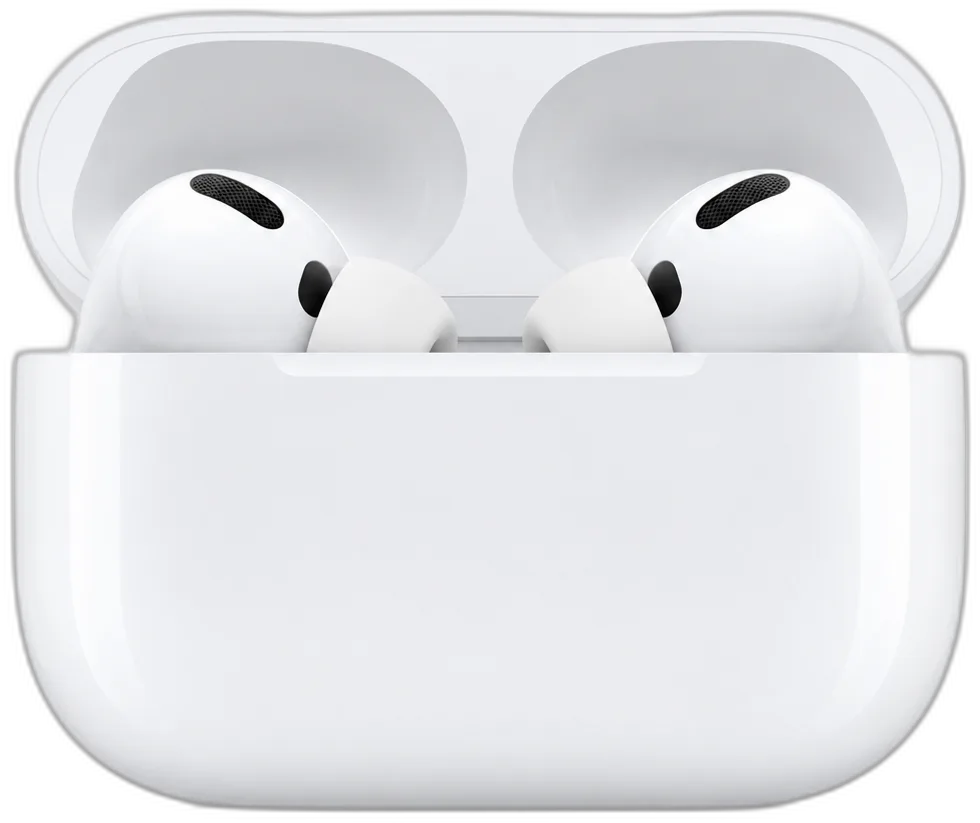 AirPods
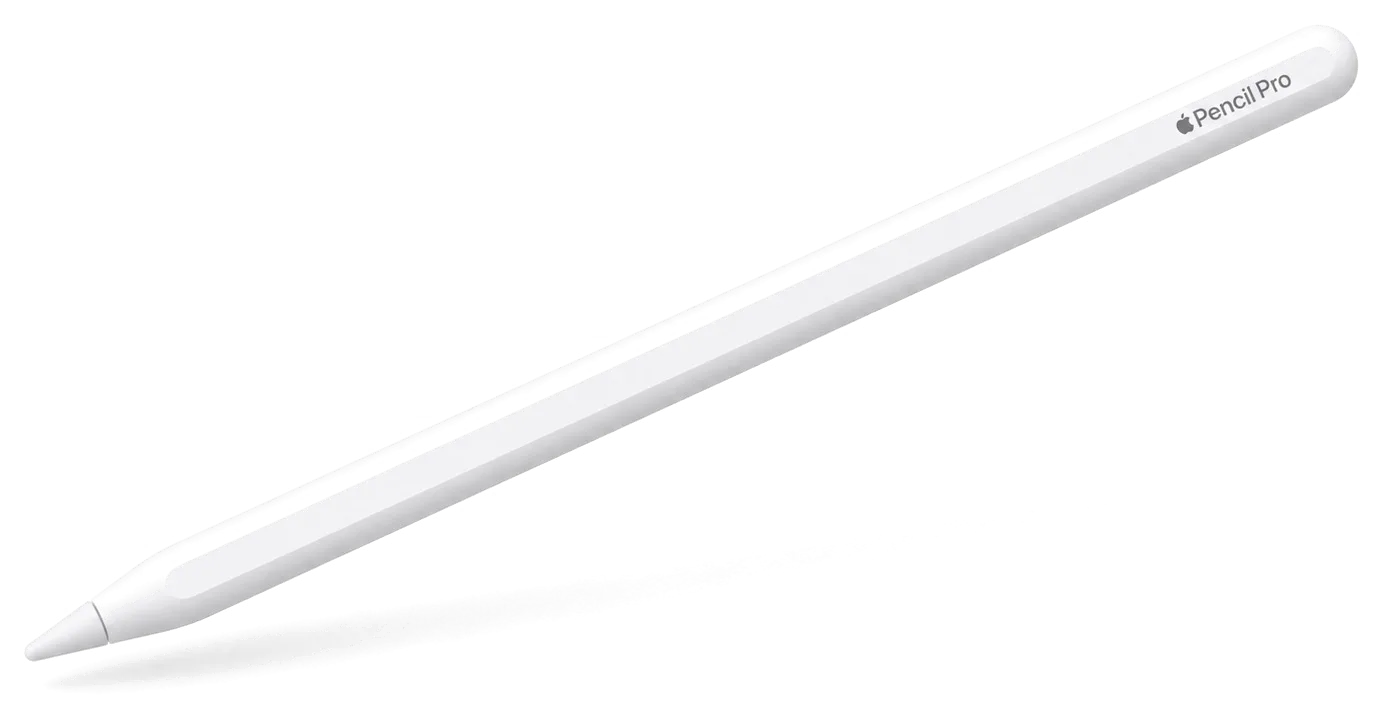 Apple Pencil
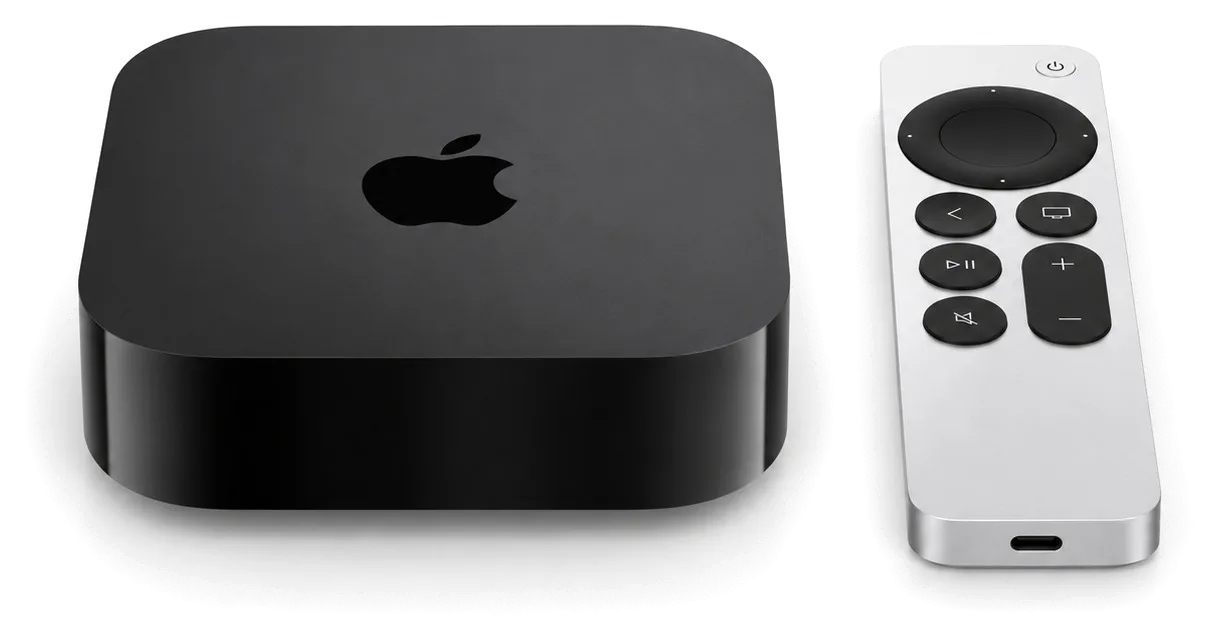 Apple TV
 HomePod