The 14 Pro Max pairs a heavy steel frame with an always-on OLED panel. Its typical faults cluster around the display, the power cell and the rear optics, and each one announces itself with a recognisable symptom.
Symptoms that point to a specific part
faults matched to the component they implicate| Symptom | Likely cause | What we do |
|---|
| Green lines or dead touch zones | OLED panel damage | Replace the display module |
|---|
| Fast drain, sudden shutdowns | Worn cell | Fit a new power cell |
|---|
| Cracked cover over the lens | Broken optic cover | Swap the lens cover |
|---|
| Charges only at an angle | Dirty or worn connector | Clean or replace the connector |
|---|
| Random restarts under load | Board or flex fault | Microscope board inspection |
|---|
Battery and charging faults on this model
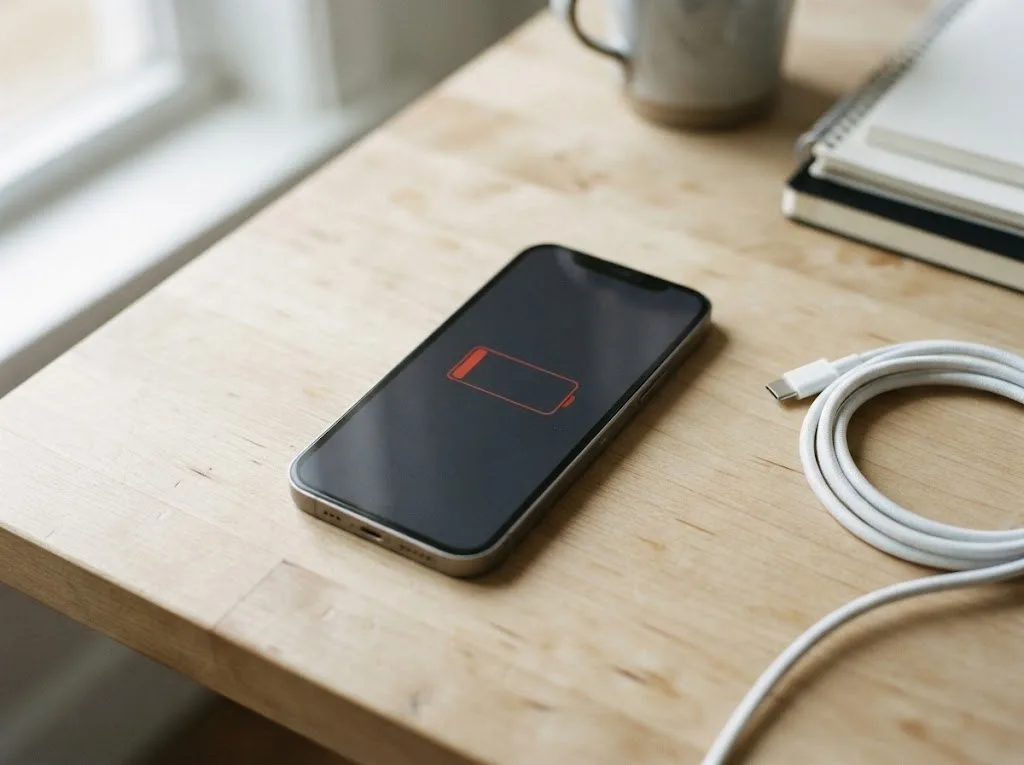
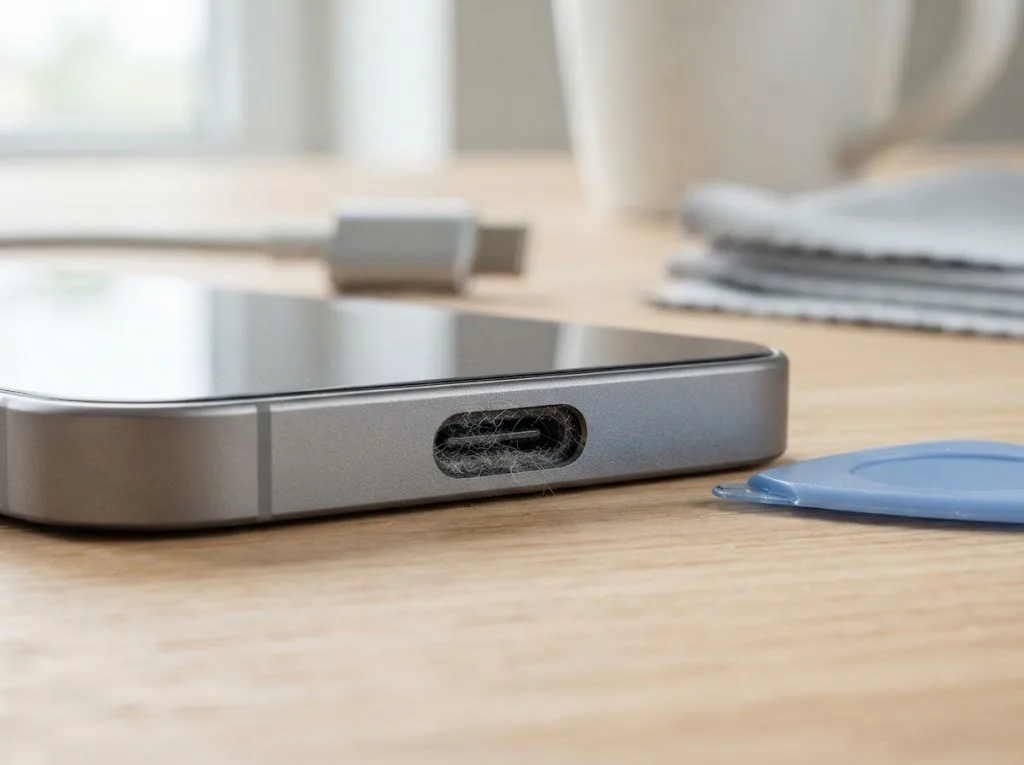
We replace the 14 Pro Max power cell in about 25 minutes, and most charging complaints turn out to be a dirty or worn Lightning connector rather than a dead board. Pocket lint packs into the socket and oxidises on the contacts, so the handset tops up only when the cable sits at a particular angle, or stops charging altogether. A tired charging flex produces the same picture, and we test both the socket and the flex before quoting. Battery Health in Settings shows how far the cell has degraded, and a reading below 80% usually explains sudden shutdowns under load. Check that figure before assuming the cell is gone — a blocked connector mimics a failing power cell because the handset never reaches a full charge.
Camera glass and the back panel
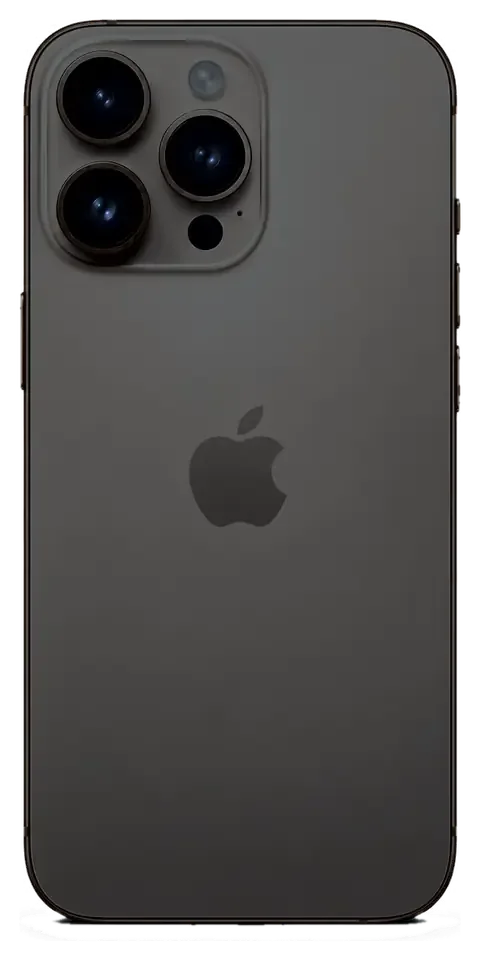
A cracked lens cover on the 14 Pro Max is a 20-minute job for us, and we replace just the outer layer so the optic module itself stays untouched. That cover is bonded separately over the lens, which means a chip or a spider-web crack does not automatically condemn the sensor underneath. The same holds for the rear panel: a localised break in the back glass can be swapped without disturbing the internals. A damaged cover lets dust and moisture reach the sensor, so a small chip is worth fixing early rather than waiting for image quality to drop.
Screen Repair for the iPhone 14 Pro Max
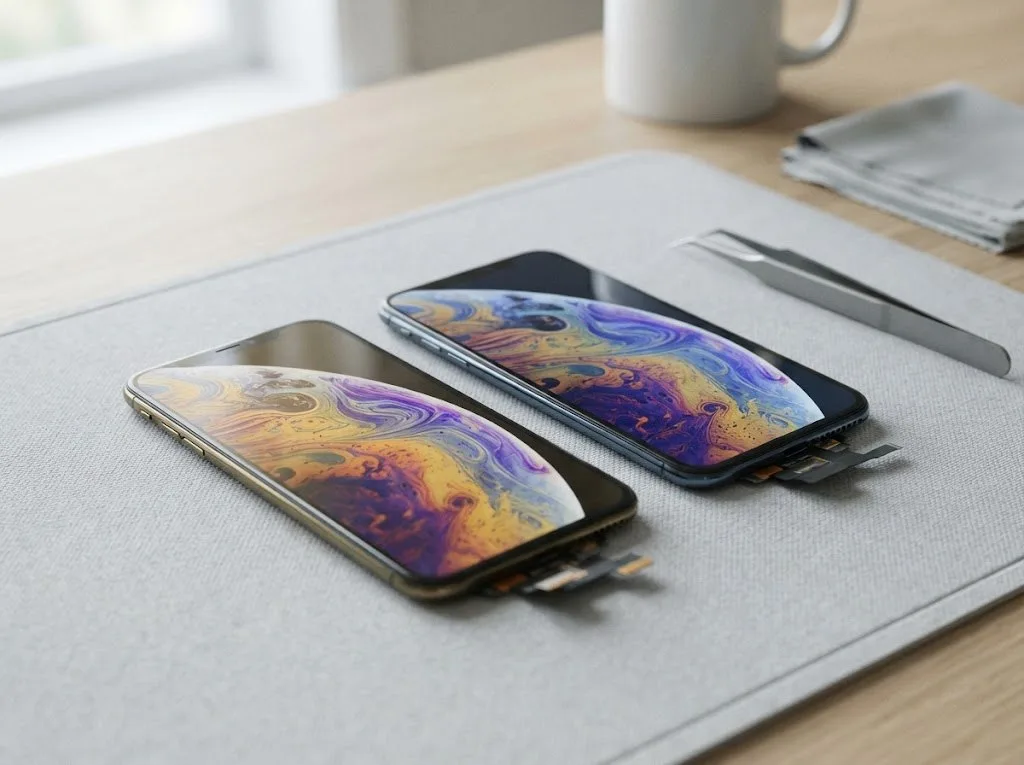
The 14 Pro Max display is an OLED with always-on mode and True Tone. Whether you need the whole assembly or just the outer layer depends on what cracked, and that changes both the time and the result.
Glass only or the full display module
When the OLED matrix is intact and only the outer layer is shattered, we can replace just that layer; if there are lines, dead zones or touch faults, the full assembly is the honest fix. The protective layer sits on top of the OLED matrix, and on this model the two are bonded together, so separating them takes a dedicated press and a clean bench. A glass-only job brings back the look but leaves the original panel, which matters when the display already has burn-in or uneven brightness. A full assembly restores brightness, colour and touch sensitivity in one pass. Pressing on a cracked-but-working screen to save money often spreads micro-cracks into the matrix, turning a glass job into a full module replacement later.
Keeping True Tone and Face ID after a screen swap
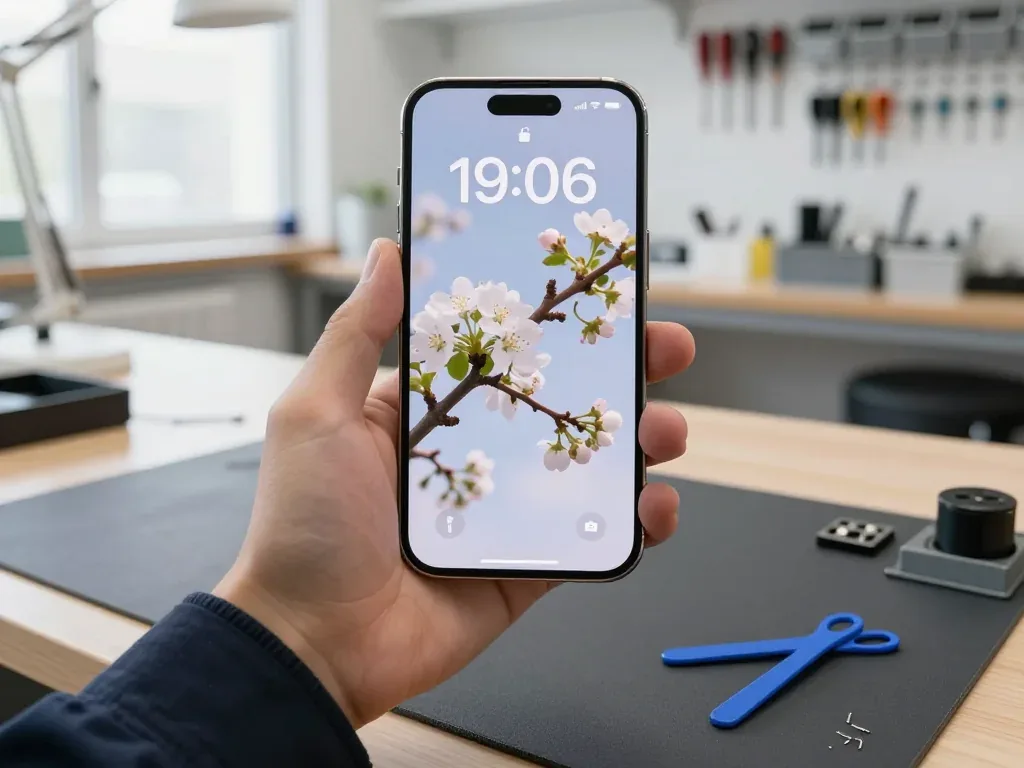
We transfer the True Tone calibration to the new display and keep the separate TrueDepth module untouched, so Face ID and automatic brightness keep working after a screen repair in Almaty. True Tone and auto-brightness live in the calibration data, and that data has to be carried over to the new panel with the right programming tool. Face ID is a separate module in the top bezel; it fails only when a technician mishandles the flex cables during disassembly. Our engineers test both features with the customer standing at the counter before the device leaves the bench. True Tone depends on a calibration transfer, not on the glass itself, which is why a cheap screen fitted without that step looks correct but loses the warm-to-cool shift.
How long a screen replacement takes
A full screen replacement on the 14 Pro Max takes us about 40 minutes, and 72% of our repairs are finished while the customer waits in the lounge. The panel, the adhesive gasket and the programming tool are prepared before the device is opened, so the 40 minutes is bench time rather than a queue behind other jobs. Owners who book by photo on WhatsApp first arrive to a slot already held for them, with the correct module set aside. While the screen is off, the engineer also checks the battery health and the charging port and reports anything worth watching. Booking a slot by photo on WhatsApp first means the correct panel is already on the bench when you arrive, so the 40 minutes is work time rather than waiting for a part.
Original Part or Aftermarket in iPhone 14 Pro Max Repair
The choice between an original part and an aftermarket one is the decision most owners agonise over. It affects which functions survive, what message the phone shows, and what the receipt records before work starts.
How the two options differ by function
How part type changes post-repair behaviour| Part | Original | Aftermarket |
|---|
| Display | True Tone and brightness preserved | True Tone may need calibration |
|---|
| Battery | Full health reporting | Health data may be limited |
|---|
| Camera glass | Exact fit and clarity | Fit can vary slightly |
|---|
| Parts message | No unknown-part notice | May show a parts message |
|---|
What the receipt records before work starts
We fix the price, the part type, the turnaround and the warranty on the receipt in about two minutes, before any screw is turned. The line that matters most to an owner is the component type: it states plainly whether the screen, battery or camera glass going in is original or aftermarket. Once that line is written and signed, the choice stops being a conversation and becomes a record you hold. The receipt then travels with the device through the whole job, so the engineer fitting the component works to the same specification the customer agreed to. A receipt that names the component type is what protects you later, because it turns a verbal promise about "a good screen" into something you can point to if a function misbehaves.
Why most owners pick the original part
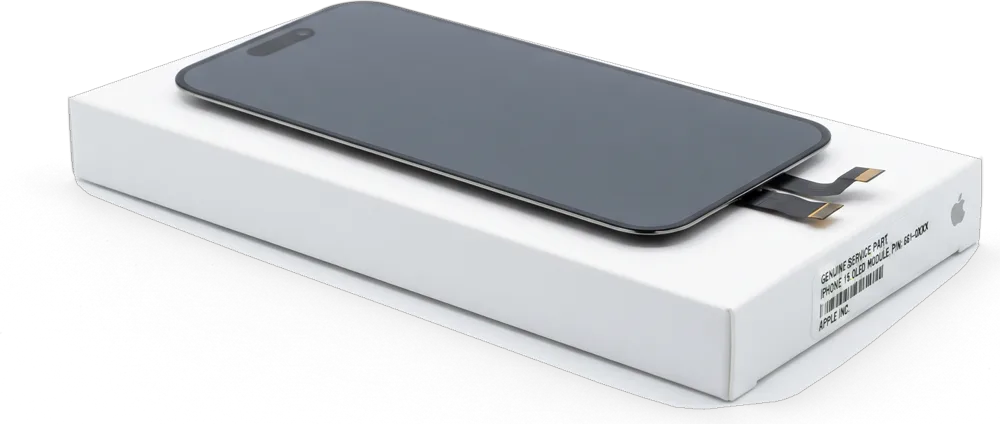
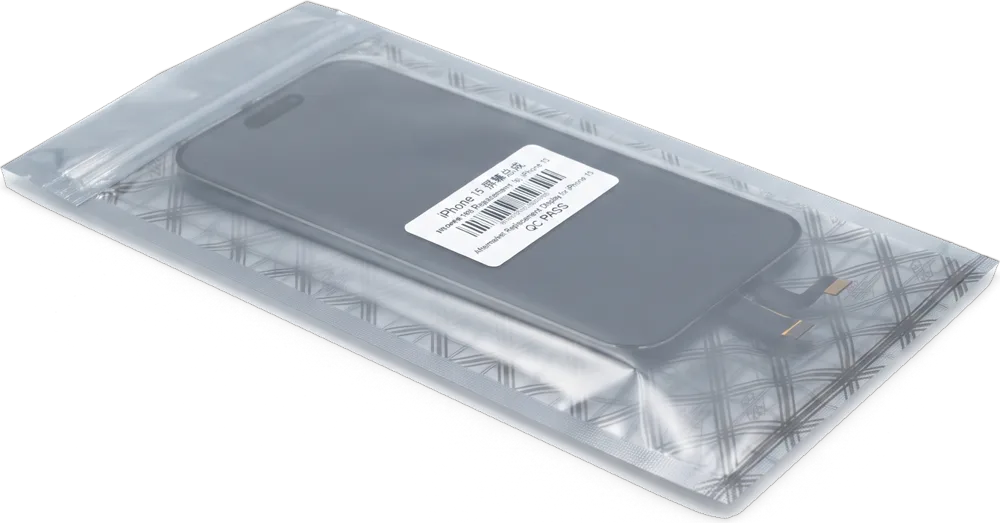
64% of our customers choose an original part, and we show every new part in its factory packaging before it goes in. The packaging is opened in front of the owner, not behind a workshop door, and the component stays visible until it is seated in the device. An aftermarket part is handled the same way, so the comparison is honest rather than one-sided. Most people who pick the original do so for the display, where True Tone and brightness are the functions they notice every day. Seeing the packaging matters more than the label on it, because it confirms the component was sealed and handled correctly rather than pulled from an unmarked tray.
Water Damage and Board-Level Work
Water and board faults are the cases where patience pays. They are also the ones where what you do in the first hour decides whether the phone is recoverable at all.
What to do in the first hour after water
- Power it off and do not press the power button to test whether it survived.
- Skip the charger entirely until the logic board has been inspected and cleaned.
- No hairdryer or rice bag since heat and fine dust push corrosion deeper.
- Bring it in fast because corrosion spreads hour by hour inside the chassis.
- Mention the liquid at the counter so we prioritise a deep clean over a quick swap.
Why water diagnostics can take longer
After liquid contact our diagnostics can take up to two days, because we clean and inspect the mainboard under a microscope before deciding what is salvageable. Moisture reaches the CPU shield, the charging IC and the connector pins, and each area needs its own check at magnification. A device that powers on after water is not proof of recovery — corrosion often surfaces weeks later, so a proper clean now is cheaper than a soldering job later. It is better to spend an extra day on a wash-and-inspect than rush the handset back and see it return with a dead charging circuit.
Board repair under the microscope
Board-level faults on the 14 Pro Max are repaired at magnification, and these jobs take one to three days rather than the 40 minutes a screen needs. Micro-soldering covers torn pads, shorted capacitors and damaged traces after a drop or a liquid spill, and each joint is checked at high zoom before the board goes back into the chassis. This is the one repair where a second opinion is worth seeking, because a misdiagnosed fault can be "fixed" by replacing components that were never the problem. A technician who names the failed element before touching the soldering iron is the one to trust with this job.
Booking, Handover and the Warranty You Keep
The repair itself is only half of the experience. How you book, what you check at handover and what you walk away with decide whether the whole thing felt trustworthy.
From a WhatsApp photo to a booked slot
Send a photo of the damage on WhatsApp and an engineer replies within five minutes with a price and a free time slot, then runs a 15-minute diagnostic in front of you. The technician opens the unit on the bench and shows you what is broken before anything is agreed, so the estimate rests on a component he has actually seen. Price, component type, turnaround and cover go onto the receipt in about two minutes, and the new module is unwrapped from factory packaging in front of you before installation. The whole iPhone 14 Pro Max repair in Almaty visit usually finishes in under an hour from first message to pickup, with 72% of jobs done while the customer waits. A photo quote is only as good as the angle, so include the whole handset and the damaged area in one shot to get an accurate estimate first time.
The 32-function check at handover
- Face ID: unlock from several angles, including a tilted hold, to confirm the sensor reads consistently.
- True Tone: watch the screen warmth shift as the light in the room changes.
- Cameras: focus on near and far subjects and switch between lenses without a freeze.
- Microphones and speakers: place a test call and check both ends sound clear.
- Charging: plug in and flex the cable gently to confirm the connection stays steady.
- Network: load a page over mobile data and watch the signal hold without dropping.
What you take home after the repair
You leave with the handset, the receipt, a warranty card covering the work up to 1 year, and the old module in a bag. The receipt carries the same four lines agreed before work started, so there is no gap between what was promised at the counter and what sits in your hand at pickup. We are the direct contractor on every job, with our own technicians and workshop rather than a middleman passing the unit along, which is why a claim reaches the person who did the work. Keeping the removed component is not sentiment — it is proof of what was actually taken out, which matters if a guarantee question ever comes up.
Summary: iPhone 14 Pro Max repair
A repair holds up when the diagnosis comes first, the component is chosen deliberately and the result is verified before the phone leaves the workbench. These five points carry the whole decision.
- Match the symptom first: lines, dead touch or a green tint point to the display module, while a cracked chip over the lens is glass only.
- Decide on the component type: original and aftermarket assemblies differ most on the display, so ask what goes in before the quote is agreed.
- Get the receipt in writing: the assembly, turnaround and warranty fixed on paper protect you if anything behaves differently later.
- Treat water with patience: never charge a wet phone, and allow the extra time a proper board inspection needs.
- Run the handover check: confirm Face ID, True Tone, cameras and charging on the spot, with the engineer beside you.









 iPad
 MacBook
 iMac
 Mac mini and Studio
 Apple Watch
 AirPods
 Apple Pencil
 Apple TV
 HomePod