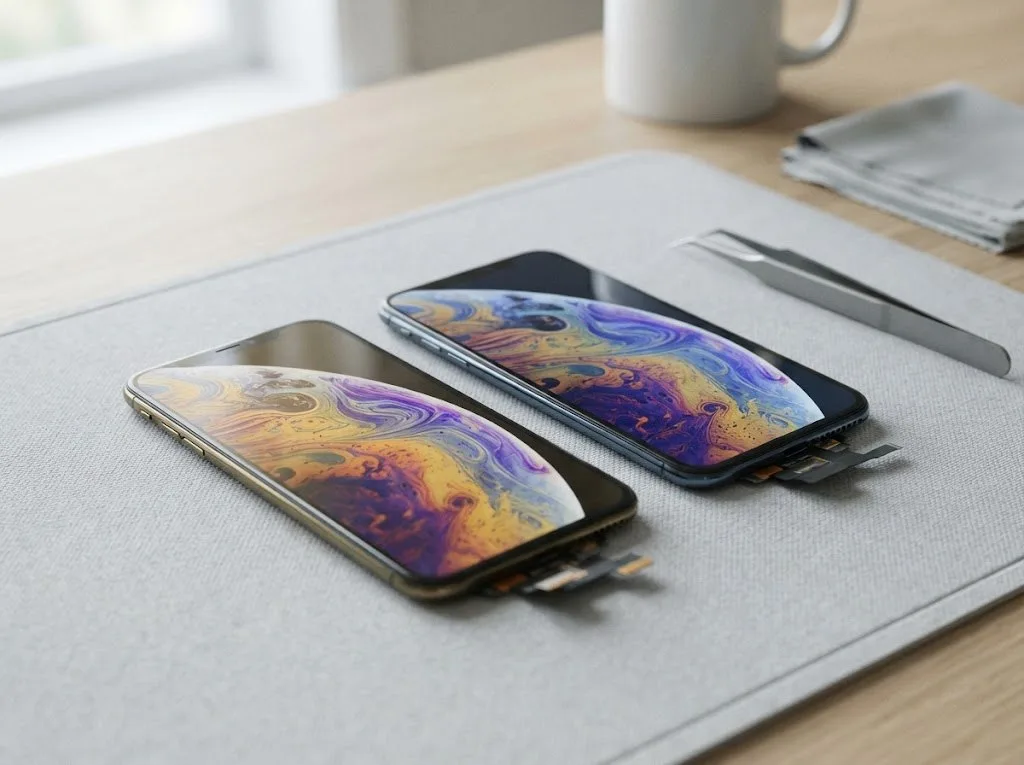
A cracked top layer does not automatically mean a new screen assembly. On the iPhone 7 Plus the display and digitizer often survive impact, so only the glass gets swapped, but a hands-on check decides.
How to Tell the LCD and Touch Layer Are Still Fine
We check the iPhone 7 Plus in front of you for free for 15 minutes and show exactly what is broken before any work is agreed. The engineer presses along the crack, looks for white spots, coloured lines and dead zones, then runs a finger across the whole surface to catch unresponsive corners. A glass-only replacement fits when the picture stays clean and every tap registers. The front glass sits above a separate digitizer and matrix, so impact damage frequently stops at the top surface. A crack that runs across the picture without white spots, coloured lines or dead digitizer zones usually means the matrix underneath survived, but only a hands-on check confirms it, since edge damage is easy to miss on a photo.
Glass, Display Module and Screen Protector Are Three Different Things
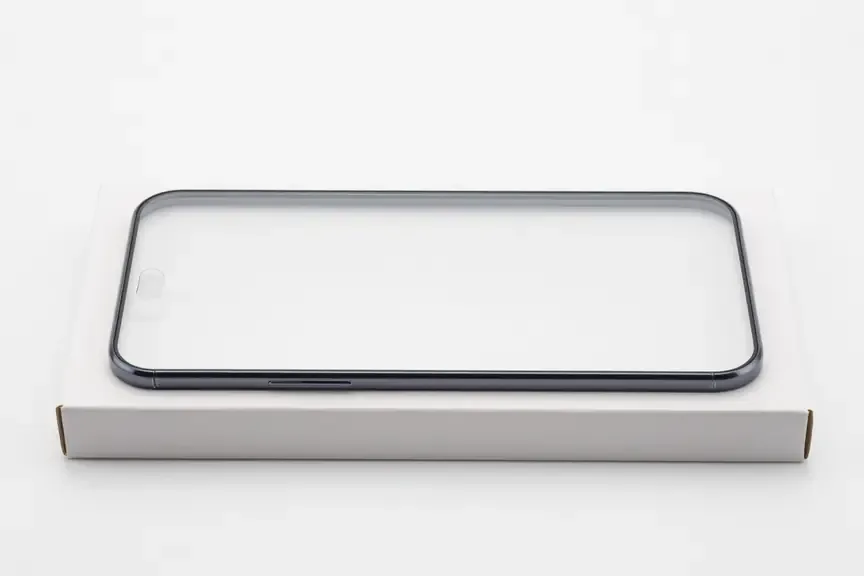
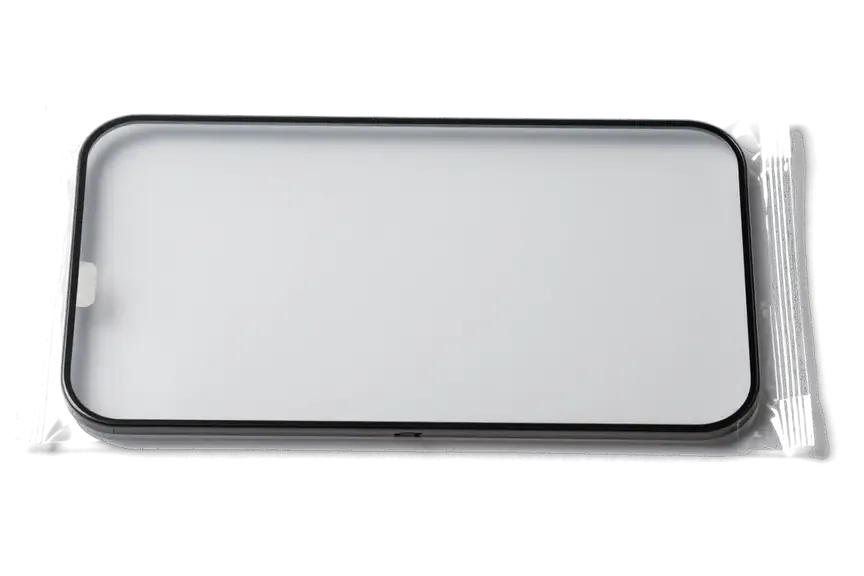
- Front glass: top layer bonded to the screen; cracks on impact and is the only part swapped in a glass-only job.
- Display module: whole screen assembly, LCD and digitizer included; replaced only when matrix or touch is damaged.
- Screen protector: stick-on film absorbing impact before glass cracks; not a repair part.
- Why it matters: a broken protector is not a broken screen, and a broken screen is not always a broken module.
How the Glass Replacement on iPhone 7 Plus Actually Runs
The job means separating cracked glass from an intact matrix, cleaning off old adhesive, bonding fresh glass onto optical OCA and reassembling. Everything happens over an LCD, which tolerates the procedure more calmly than OLED.
From Separation to Lamination Step by Step
We take the display out, separate the broken glass from the matrix, clean off the old adhesive, bond the new glass on optical OCA and laminate it so no air stays between the layers. OCA is a transparent optical adhesive sheet that replaces the factory glue and holds the front panel to the screen without a visible gap. Our technicians run the lamination under pressure in a vacuum, then cure the assembly so the layers sit flat against each other. That bonding stage is what decides whether you later see bubbles or dust under the surface, so it matters more than how fast the glass comes off.
Glass Swap or Full Module, Side by Side
What each option changes and keeps| What changes | Glass-only replacement | Full display module |
|---|
| Part replaced | Front glass on OCA | Whole screen assembly |
|---|
| Original matrix | Stays in place | Swapped out |
|---|
| Touch layer | Preserved | Comes with the assembly |
|---|
| 3D Touch | Works as before | Works as before |
|---|
| When it fits | Panel and digitizer intact | Spots, lines or dead digitizer |
|---|
| Frame condition | Original frame stays | Depends on the assembly |
|---|
How Long You Wait and Whether You Can Stay
The whole process from first contact to pickup usually takes less than an hour, and 72% of repairs are finished while the customer waits in our waiting area with coffee and Wi-Fi. An iPhone 7 Plus glass replacement that owners in Astana book follows the same rhythm: the engineer confirms the part, turnaround and warranty on the receipt in about two minutes, ahead of any work. Free diagnostics take 15 minutes in front of you, even if you decide not to repair. The exact turnaround is written on that receipt before work starts, so you are not guessing from a general estimate, and if the check shows an assembly is needed instead, you decide prior to any work.
What Stays Original After the Glass Is Swapped
A glass-only repair keeps the factory LCD, touch layer and Home button inside your phone. Only the top sheet changes, so paid-for features stay exactly where they were.
3D Touch and Touch ID Stay in Place
3D Touch sits in the LCD layer and Touch ID sits in the Home button, so neither is touched when just the front glass is swapped on an iPhone 7 Plus. The pressure sensor is bonded under the matrix, and the fingerprint reader is a separate module wired to the board, so this job leaves both fully functional. Auto-brightness reads through sensors paired with the original panel during assembly, so it keeps working while that panel stays in the phone. 64% of customers pick an original part for exactly this reason. Keeping the factory display is also safer than a module swap when the panel underneath is healthy.
Why the LCD on iPhone 7 Plus Is Easier to Work With Than OLED
- LCD on iPhone 7 Plus: thicker layers and forgiving structure make separating cracked glass routine.
- OLED on X, XS and XS Max: thinner and more sensitive, so the same step is riskier.
- What it means for you: on the 7 Plus a glass job is standard; on OLED a hurt panel means a full module.
- The takeaway: panel type, not crack size, decides how safe a glass-only repair is.
How We Check the Result Before You Leave
Handover is not a formality. You stand at the bench with the technician, check the edges for bubbles and dust, judge backlight evenness, and test every function that could have suffered.
A 32-Point Check You Watch Happen
After the repair we check 32 functions in about 10 minutes, and the customer goes through cameras, microphones, speakers, charging and network together with the engineer. Each item is confirmed on the spot rather than ticked off behind a closed door — the specialist hands you the phone and asks you to unlock it, shoot a photo, play a track and make a call. This hands-on pass matters because some faults appear only under real use, so you see the result before leaving. On a glass job the digitizer is the part most worth testing across the entire surface, since a dead strip near the frame shows up only when you trace the perimeter yourself; run a finger along every edge and corner to catch it.
Bubbles, Dust and Uneven Backlight Are Not Acceptable
- Bubbles: trapped air under the glass signals a lamination fault, not normal wear.
- Dust: specks sealed under the surface mean bonding in a dirty environment.
- Uneven backlight: bright or dark patches signal a poor bond between glass and matrix.
- Digitizer at the edges: sweep a finger along the whole frame; a dead strip near the rim is easy to miss.
- How to check: view the display on a plain white background and at an angle before leaving.
Documents, Warranty and Getting the Price Before You Come
The price, part, turnaround and coverage are fixed in writing before work starts, so you know what you are getting, and you leave with a warranty card and the old glass.
A Receipt Before Work and a Warranty up to 1 year
We fix the price, the part, the turnaround and the coverage in about 2 minutes before any work, and coverage runs up to 1 year. The paperwork names the exact glass, so original and aftermarket versions are never confused on paper, and the turnaround is written down rather than promised verbally. A experienced technician signs off the job, and the document records who worked on the phone. The removed glass goes back to you with the receipt and warranty slip, so you can see what came off and keep proof in one place. Ask for the glass type in full — a vague line like "screen" turns a claim into an argument later.
Send a Photo on WhatsApp and Get a Price in Five Minutes
Send a photo of the damage on WhatsApp and an engineer replies within 5 minutes with a price quoted from the photo. The engineer looks at where the cracks sit — over the LCD, over the front camera, along the bezel — because that decides whether glass alone can be swapped or the module has to go. You get a free time slot in the same reply, and payment is settled afterward by Kaspi, card or cash. A photo gets you a starting figure; the final call on glass versus module comes from the free 15-minute check in front of you. Photograph the screen-on phone in a dark room: backlight bleed and dead pixels change the estimate ahead of your visit.
Where to Find Us and How to Pay
- Branches: we work in Astana and Almaty, so the same terms apply in both cities.
- Hours: Monday to Friday 10:00–19:00, weekends and holidays 11:00–18:00.
- Payment: Kaspi, card or cash, settled after you check the phone.
- Courier: a courier can be called if you would rather not come in, on the same written terms.
Summary: iPhone 7 Plus Glass Replacement
A few practical points decide whether a glass swap is worth doing now or whether the whole module has to be replaced.
- Cracked glass is not a dead display: if the picture is clean and the digitizer responds everywhere, the LCD is intact and only the front layer needs work.
- Three things, not one: front glass, display module and protector are separate, and only the first two count as a repair.
- 3D Touch and Touch ID survive: on an LCD model like the iPhone 7 Plus, the procedure never reaches them.
- Bubbles and dust are a fault: uneven backlight or specks under new glass mean a lamination error, not normal wear.
- A crack grows: it lets in dust and moisture, so act before the matrix is affected.







 iPad
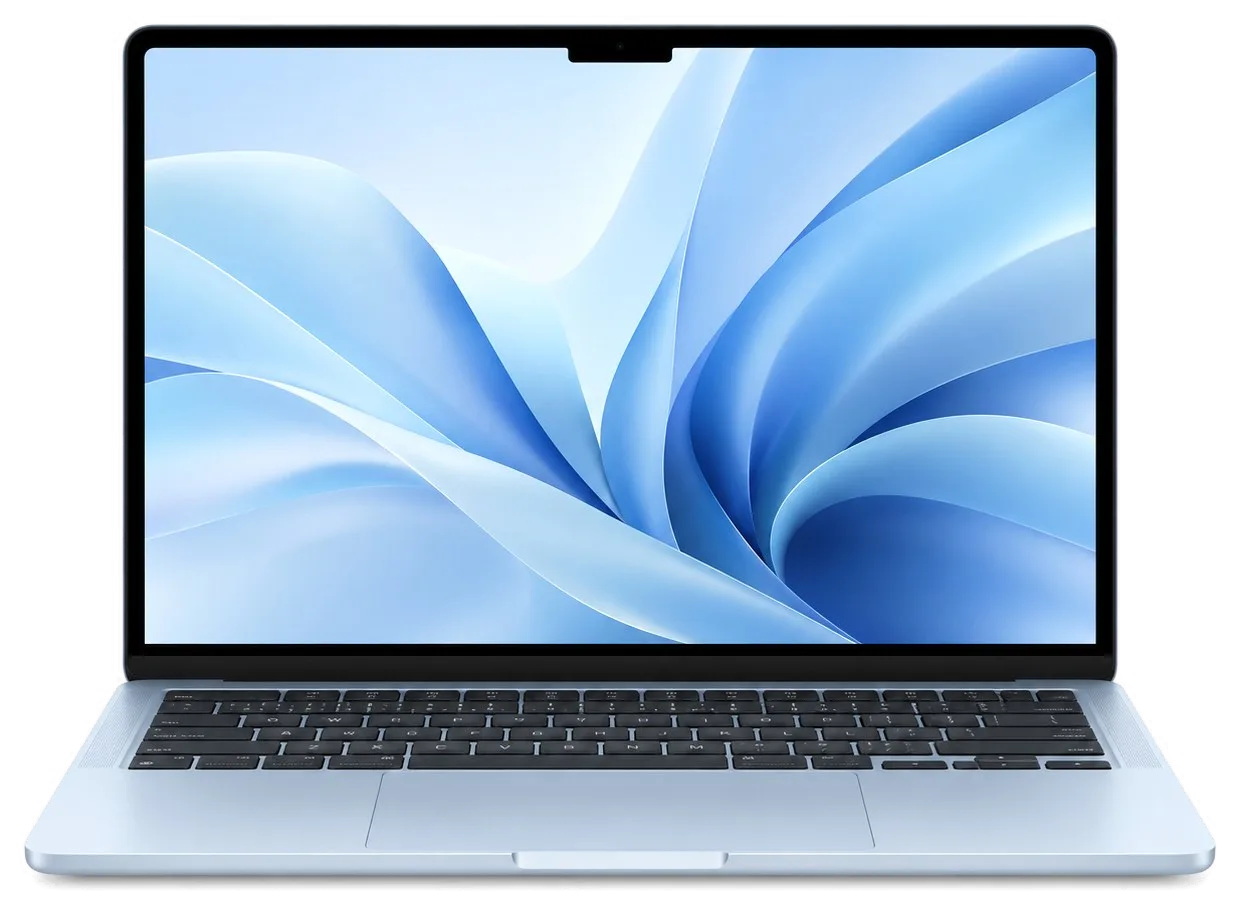 MacBook
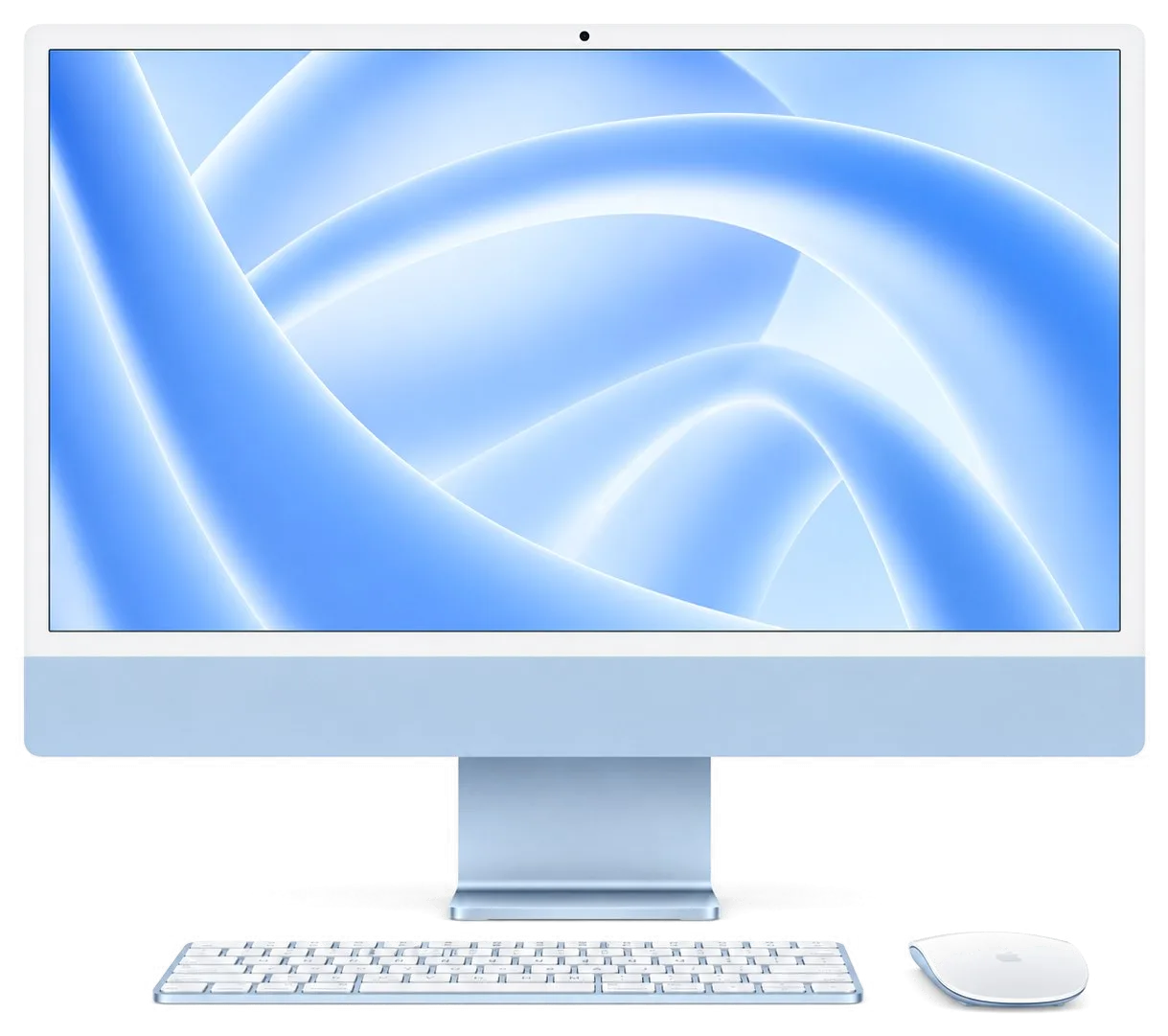 iMac
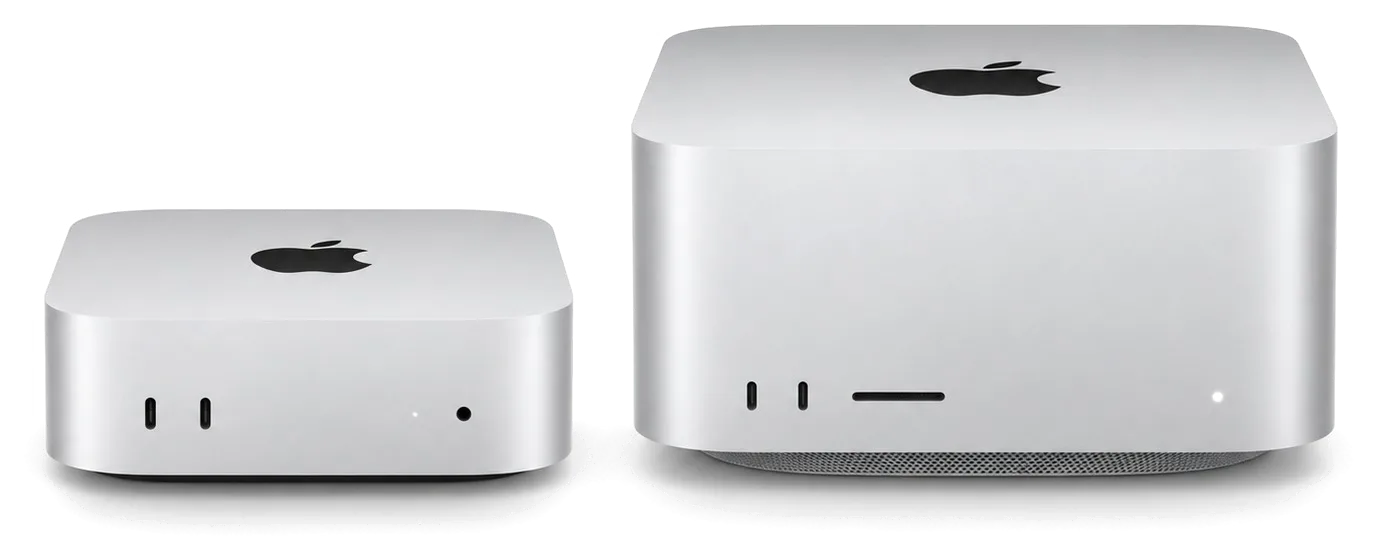 Mac mini and Studio
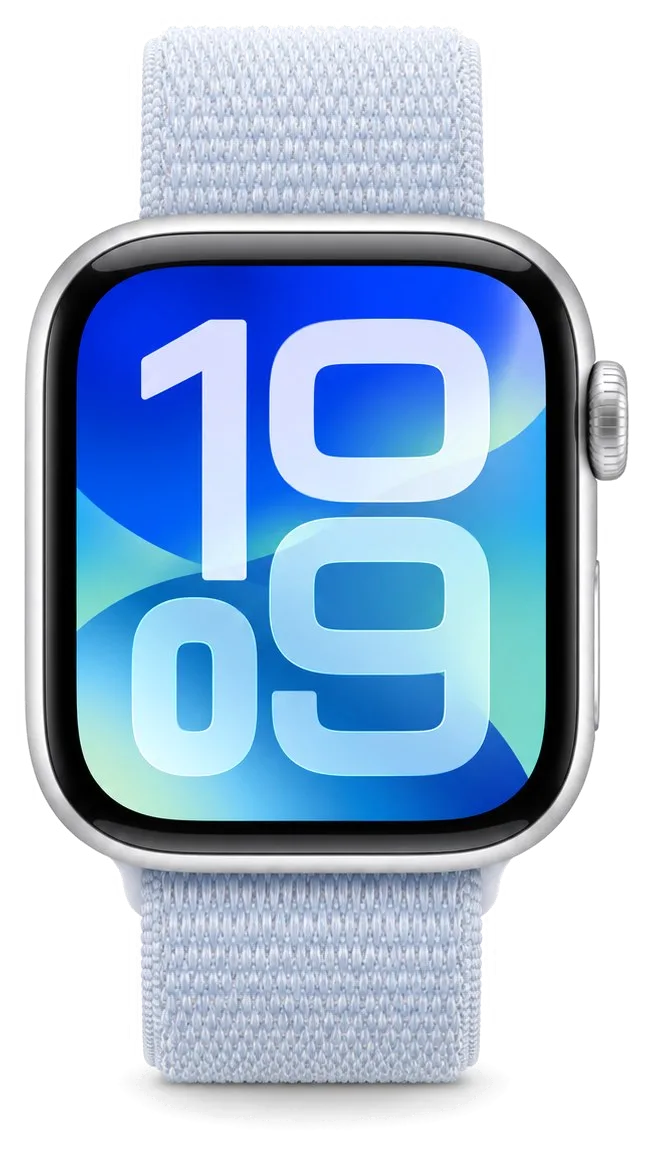 Apple Watch
 AirPods
 Apple Pencil
 Apple TV
 HomePod