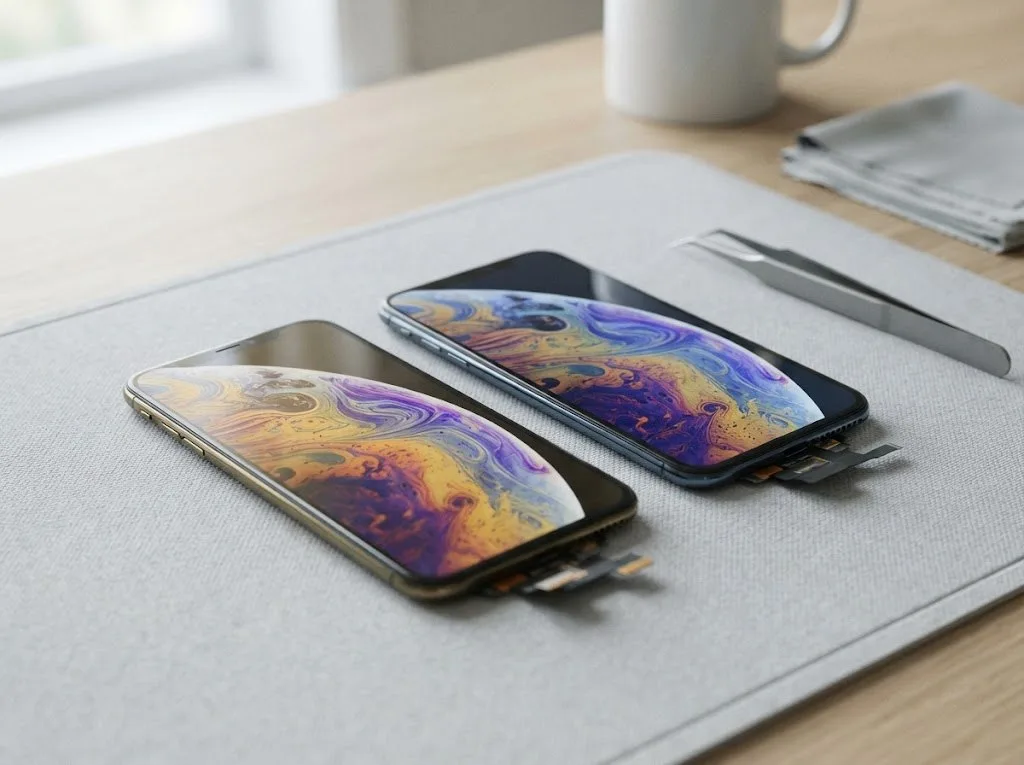
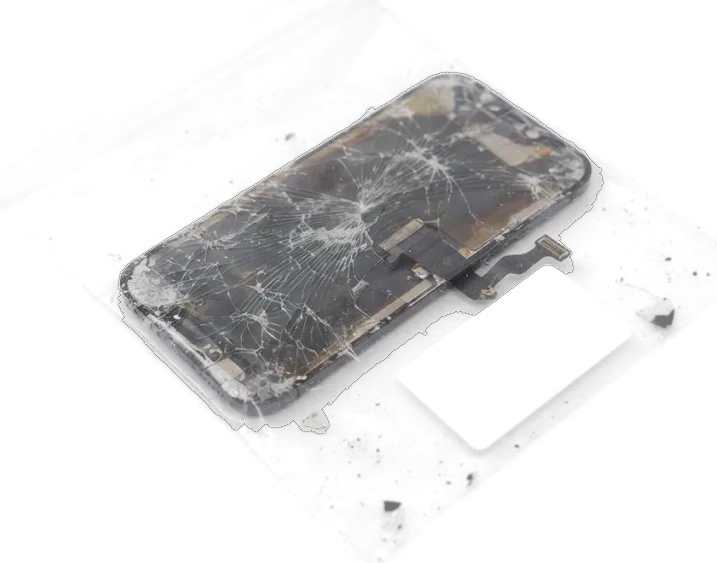
A cracked front glass with a working image is the common case we see. The choice between glass and a full module rests on the state of the matrix and the sensor, not on how large the crack looks.
Signs the LCD and Touch Layer Are Still Fine
- Even image: no dark patches, coloured lines or bright spots anywhere on the screen.
- Full-surface response: every zone reacts, including the corners and the very edges.
- Crack pattern: a single split or small chip with no spidering usually means the glass took the impact alone.
- No ghost input: apps do not open by themselves while your fingers are away.
- Stable backlight: brightness holds steady and does not flicker when you tilt the phone.
When a Full Display Module Is the Only Option
We recommend a complete module when the LCD shows dark spots, coloured lines or dead zones, because new glass over a damaged matrix would only hide the fault. The iPhone 7 uses an LCD panel, so a failing layer shows up as uneven backlight or a grey haze at the edges rather than the deep blacks an OLED screen would lose. Damage is not always visible from the outside — a handset that took a hard fall can look intact while the panel underneath has shifted, which is why the engineer checks the device in front of you before any part is ordered. Our diagnostics take 15 minutes and cost nothing, even if you decide not to repair. Bring the phone in and we will show you on the spot which layer is broken.
How We Carry Out iPhone 7 Glass Replacement in Astana
The route runs from a photo in a messenger to a handover across the counter. The component, the turnaround and the warranty are locked on paper before any work begins.
From a Photo on WhatsApp to a Fixed Receipt
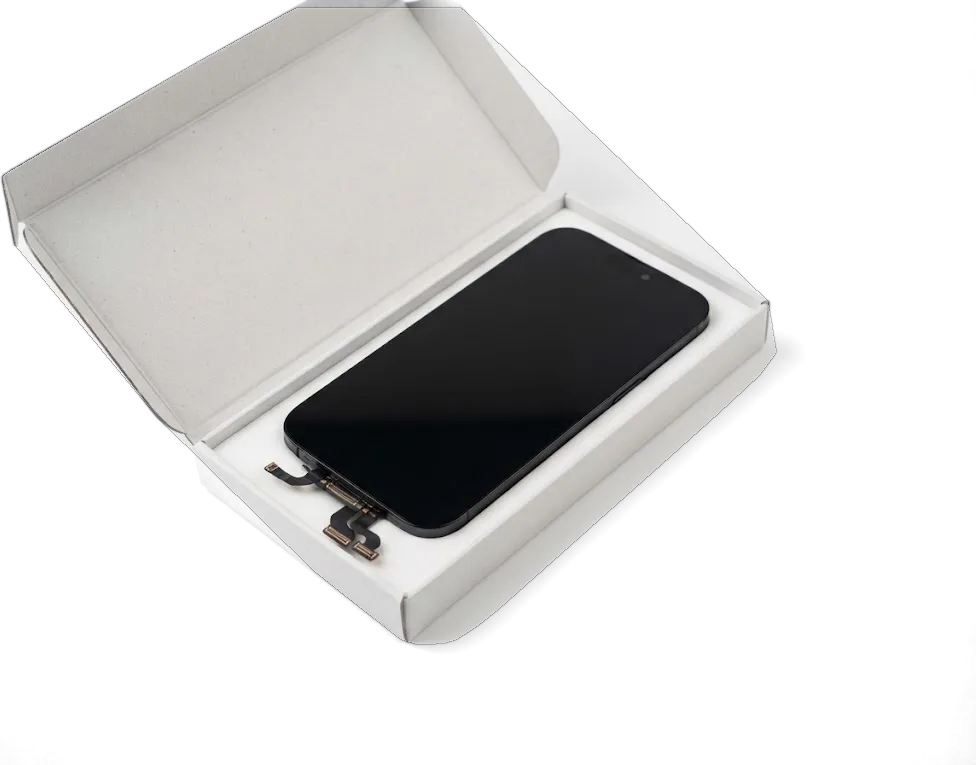
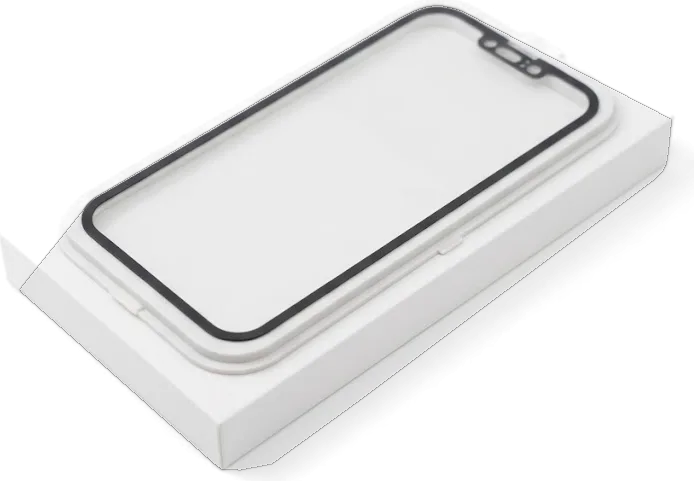
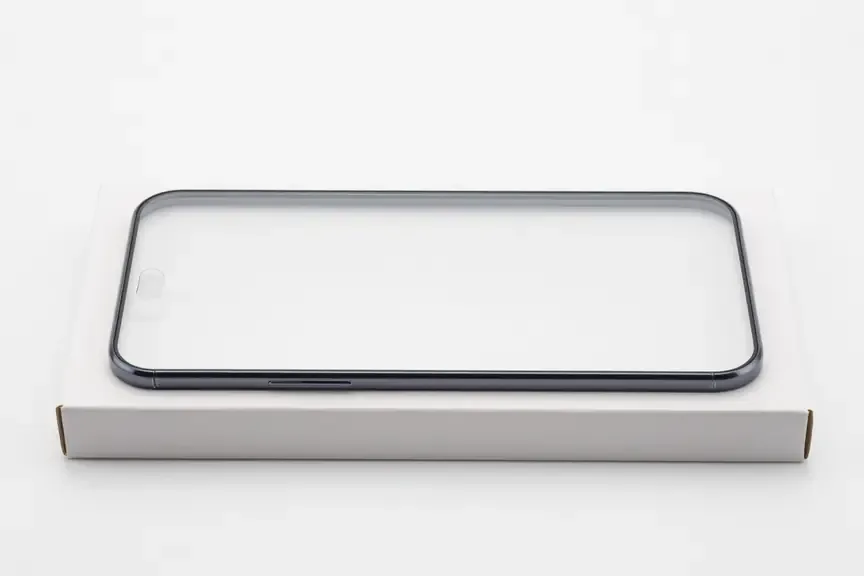
An engineer replies on WhatsApp within 5 minutes and quotes a price from a photo, then the price, the part, the turnaround and the warranty are fixed on the receipt in 2 minutes before work starts. Free diagnostics take 15 minutes and happen in front of the customer, even if the repair is declined. The new component arrives in factory packaging and is shown before installation, so the glass you approve is the glass that goes on. Whether the request is for glass replacement or a courier pickup, the sequence stays the same. This is how iPhone 7 glass replacement in Astana is arranged from the first message to the finished job. Send a photo taken in daylight with the crack visible against a dark background — that reads more accurately than a description in words, because the engineer sees at once whether the damage reaches the frame.
Glass Against Module Side by Side
Two repair routes compared by part and outcome| What changes | Glass replacement | Module replacement |
|---|
| Part installed | Front glass on OCA | Complete display assembly |
|---|
| Original LCD | Kept | Removed |
|---|
| Input and 3D Touch | Untouched | Untouched |
|---|
| When it applies | Image and touch intact | Spots, lines, dead zones |
|---|
How Long the Phone Stays with Us
The whole process from first contact to pickup usually takes less than an hour, and 72% of repairs are finished while the customer waits in the waiting area with coffee and Wi-Fi. The remaining jobs are scheduled into a free slot and collected the same day. Glass work on this model typically lands in the 20–40 minute band, with the screen as the longest single operation at 40 minutes. The exact time for glass work is confirmed on the receipt rather than promised in advance, because separating glass from a panel that has been dropped before can take longer than a first look suggests. Ask for the slot in writing before you hand the phone over.
What Stays Intact After the New Glass Goes On
Only the top layer of the display changes, while the LCD, the Home button and the pressure layer remain the ones the phone came with. Two things get mixed up often: a stick-on protector and the front glass.
Touch ID, 3D Touch and Auto-Brightness Stay as They Were
The Home button with Touch ID sits in the body, not in the glass, so it is never part of the work, and the pressure-sensitive layer keeps working because it belongs to the original panel we keep. Our technicians lift the cracked sheet off the LCD with a heat plate and a thin wire, clean the old optical adhesive off the polarizer, then laminate the new glass in a vacuum press so no air stays under the surface. Across 46,000+ repairs in 11 years, the parts we never touch are the button, the pressure sensors and the matrix itself. The setting to check after the work is auto-brightness and the colour balance of the original panel, which should look exactly as it did before the crack.
Screen Protector or Front Glass, Which One Is Cracked
- A stick-on protector: a thin film or tempered sheet glued on top, sold separately and swapped in minutes without opening the phone.
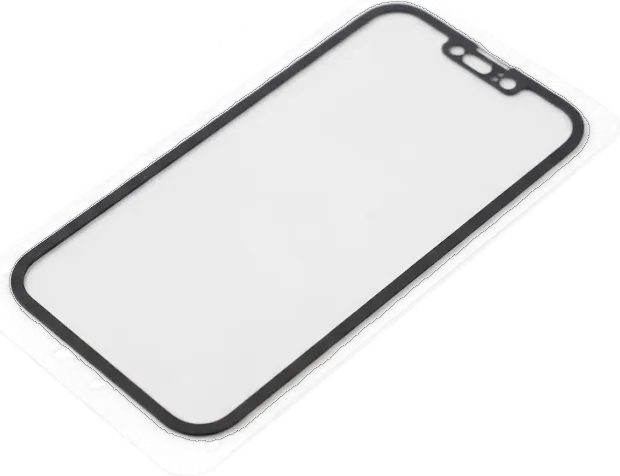
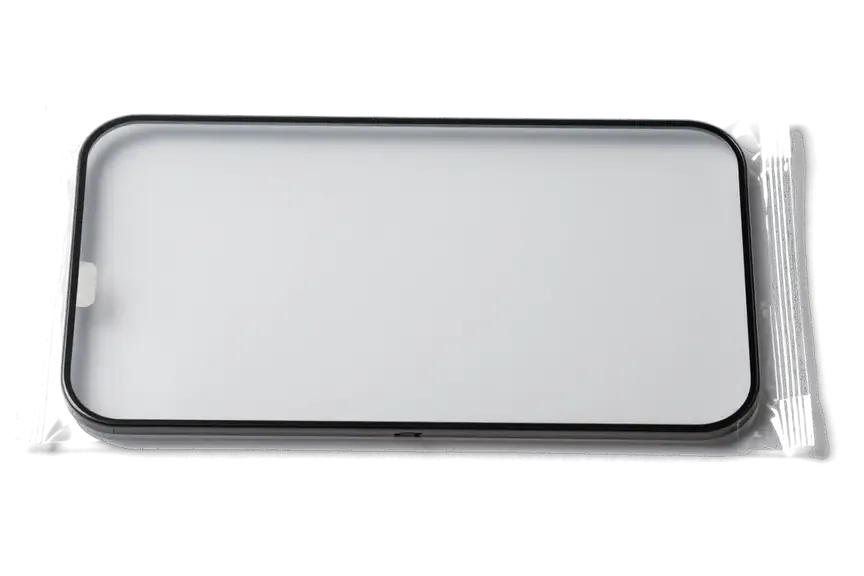
- The front glass: the outer sheet bonded to the LCD with optical adhesive (OCA), so it cannot be peeled off by hand.
- The fingernail test: run a nail across the damage — if the line vanishes at the edge, the film took the hit.
- The repair route: a cracked protector is replaced at home, while a cracked front glass goes to a workshop for delamination and re-lamination.
How to Accept the Work and What to Check
Acceptance is part of the job, not a formality. Before the device leaves the bench, the customer inspects the glass, the input layer and the main functions together with the engineer.
Bubbles, Dust and Uneven Backlight
After the repair we check 32 functions over about 10 minutes, and the glass itself is inspected for trapped particles, air bubbles and patches of uneven backlight before the handset leaves the bench. Proper lamination keeps the new front panel optically clean: the adhesive layer bonds glass to display with no air gap, so the image reads evenly from edge to edge instead of showing bright halos along the frame. Trapped specks are the more common defect of the two — a single particle caught during fitting stays visible against any light background. A flaw near the frame is worth pointing out on the spot rather than a week later, because grit sitting between the glass and the panel cannot be cleaned out without separating the layers again.
Touch Across the Whole Surface and the Main Functions
- Response at the edges: drag an icon slowly along the full perimeter and into every angle, not just the middle.
- Cameras: shoot with the rear and front lenses and check focus, flash and video.
- Sound: play a track through the speaker and record a voice memo for the microphone.
- Charging and network: plug in the cable, then confirm the cellular signal and Wi-Fi connect.
Documents, Warranty and Handover
When you pick up the phone, you leave with more than a working screen: a receipt, a warranty card and the part that came off your device. Here is what each document covers and how payment works.
Receipt, Warranty Card and the Old Part
The device is returned with the receipt, the warranty card and the old part, and the warranty runs up to 1 year on the work and the glass we installed. The card names the component fitted, the date of handover and the terms, so you are not relying on memory if something feels off weeks later. Our engineers write the receipt before any screwdriver touches the phone, which means the terms are fixed while you stand at the counter. Keeping the old glass matters more than it seems: if a question about the repair comes up later, the removed part shows exactly which layer was replaced and settles the discussion without guesswork. Store it in the box with the warranty card — a cracked pane in a drawer is a clearer record than any photo.
Payment and Collecting the Phone
Payment is accepted by Kaspi, card or cash, and a courier can be called if coming to the workshop does not fit the day. The engineer who replies on WhatsApp within five minutes is the same person who hands the phone back, so the handover stays with one point of contact. Most jobs are finished while you wait in the seating area with coffee and Wi-Fi, and 72% of repairs never leave the bench overnight. The receipt is written before the work starts, so the amount paid at pickup matches the quote from the photo unless diagnostics found something the picture could not show — and in that case the change is agreed first. Ask for the warranty card in the same envelope as the receipt; keeping them together speeds up any later claim.
Summary: iPhone 7 glass replacement
A short recap of what decides whether the glass alone is enough, what survives the swap, and how to close the job without surprises at home.
- Glass-only case: the front layer can be swapped on its own only while the picture stays even and input responds across the whole surface.
- Full module case: dark spots, coloured lines or dead zones point to a damaged panel, and a complete module is the honest route.
- Untouched parts: the Home button, Touch ID and 3D Touch are not part of the glass work and stay exactly as they were.
- Film versus glass: a screen protector and the front layer are different components, and a cracked film needs no workshop visit.
- Handover check: accepting the phone means inspecting dust, bubbles, backlight and response at the edges before leaving the counter.







 iPad
 MacBook
 iMac
 Mac mini and Studio
 Apple Watch
 AirPods
 Apple Pencil
 Apple TV
 HomePod