The first-generation SE follows the aluminium layout of the 5s, so there is never a case of "rear panel only" here — the whole body comes off and the internals move across.
One aluminium shell with glass inserts instead of a glass back
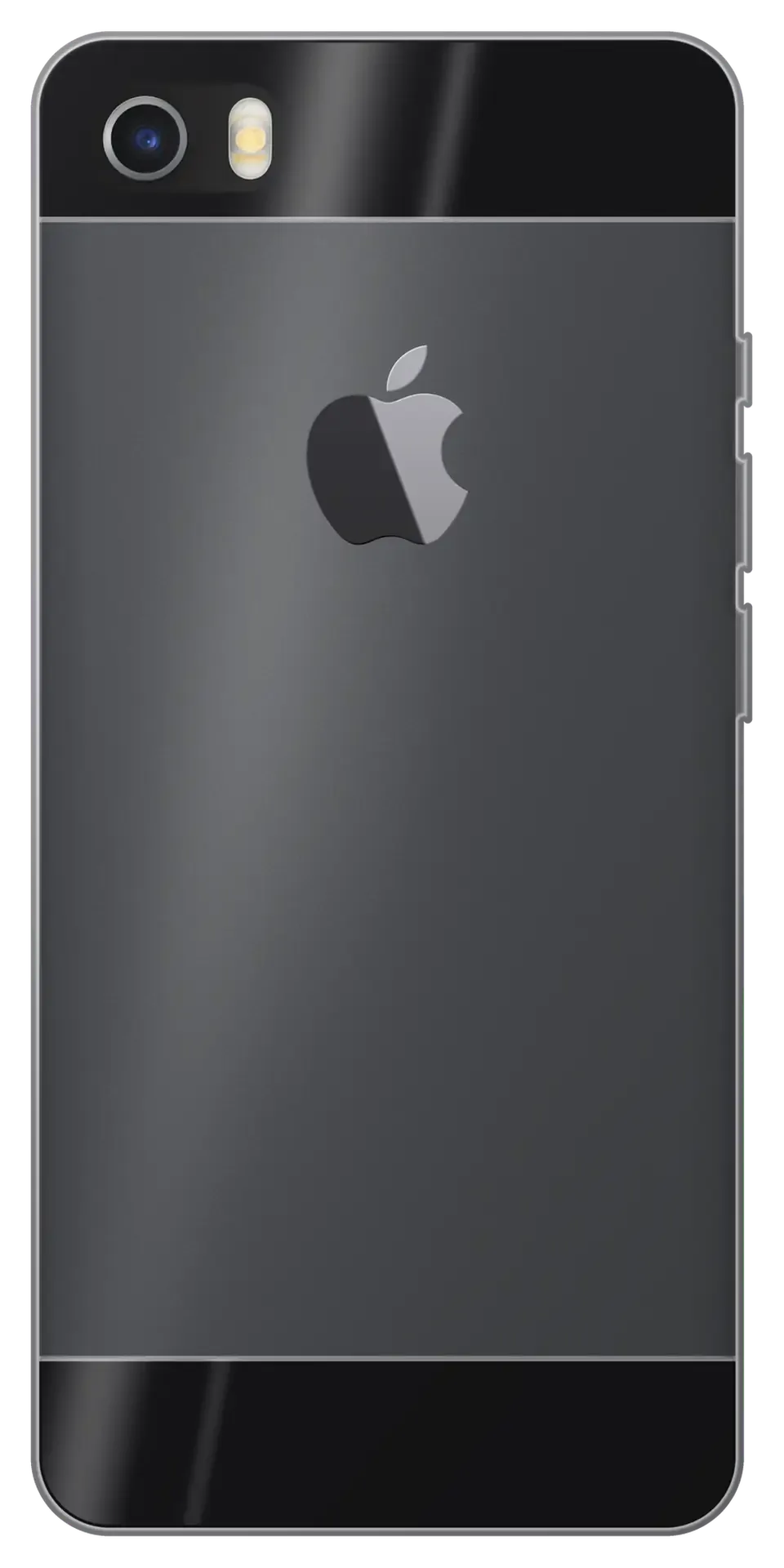
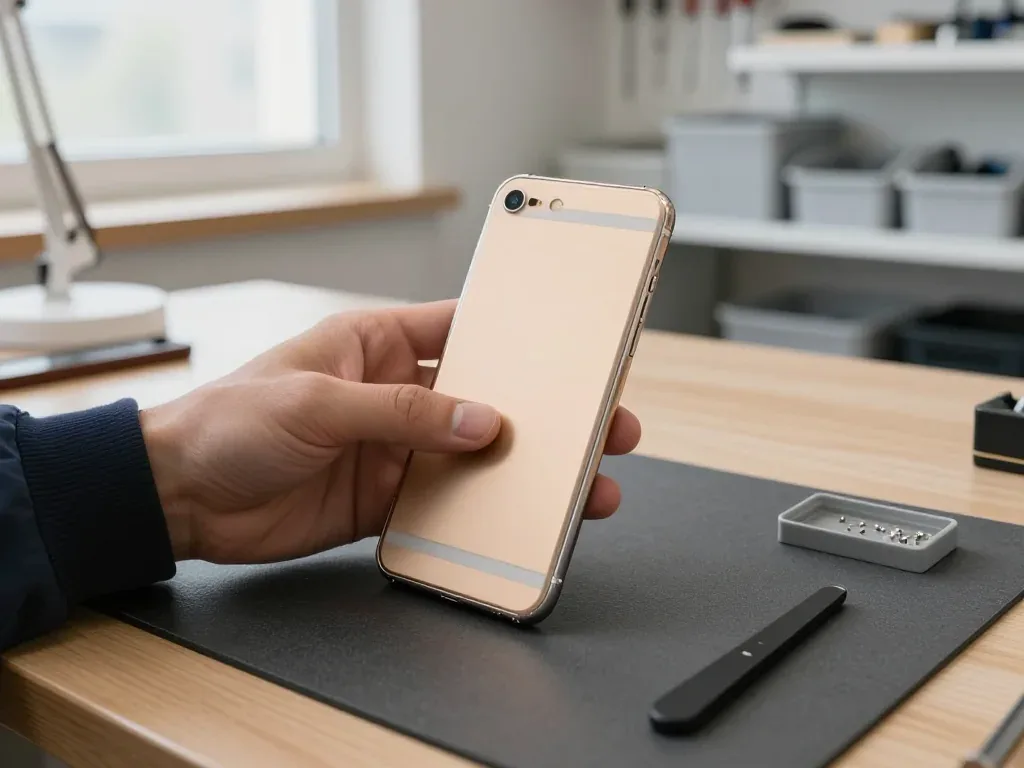
The first-generation iPhone SE uses a single aluminium unibody with two glass inserts at the top and bottom, so there is no separate rear panel to swap on its own. Those strips are not decorative: they sit over the antenna lines and let the radio signal through a metal body. The body is one machined piece from the SIM tray edge to the bottom corners, and the strips are bonded into recesses in the frame. A later iPhone 8 or XR is built the other way around — a glass back glued onto a chassis — which is why a cracked back there is a glazing job and here it is not. Because the inserts are bonded in, a crack near the top edge usually means the whole housing is replaced, not just the strip.
When a housing swap makes sense and when it does not
We recommend a full housing swap when the chassis is bent, dented at the corners, or the glass strips are cracked through, confirmed during free diagnostics in front of you. A bend matters more than a scratch: a twisted body pushes on the display and logic board, and a new screen will not sit flush. Corner dents from a drop usually come with a hairline crack running from the insert into the metal, which no polish will close. Scuffed but structurally straight bodies we often leave alone — opening the phone always costs some factory water resistance, not worth it for cosmetics. An engineer checks the body against a flat surface and shows you the gap, so the decision rests on what you can see.
Reading the Damage Before You Choose a Repair
Before booking, know exactly what is damaged — a crack in the rear panel, a bent frame or a shattered camera island — because each one changes the kind of work the phone needs.
Cracks, dents and bends and what each one means
A crack in the rear panel points to a housing swap, and a dent in the aluminium frame does the same, while a bend that keeps the screen seated may only need straightening checked first. The first-generation SE carries its glass as two inserts set into a single aluminium shell, so a shattered insert cannot be pressed back into place the way a glued glass back can. A dent on a corner usually means the frame has taken an impact and the insert beside it has started to lift. A gentle bend across the middle is worth inspecting first: if the display sits flush and no light leaks at the seams, the frame may be straightened rather than replaced.
What to do with a broken back before your visit
- Cover loose shards: clear tape holds fragments in place and keeps them out of your fingers.
- Skip the pocket: grit there works into cracks and can travel toward internals.
- Keep it dry: moisture through a cracked panel is the quickest route to board damage.
- Avoid wireless pads: heat under a lifted insert can loosen it further before inspection.
- Photograph the damage: a clear photo lets an engineer quote the job ahead of arrival.
- Bag the fragments: any piece that falls out goes in a small bag showing the impact point.
How We Carry Out iPhone SE Housing Replacement in Astana
A housing swap on the SE is a careful rebuild, not a quick part change — every internal part moves into the new frame, and we keep each step visible to you.
From WhatsApp photo to a fixed receipt
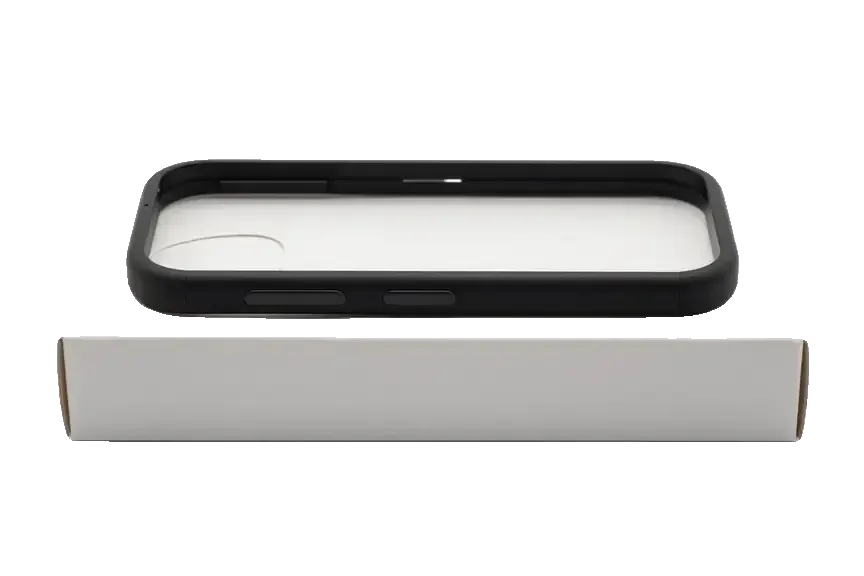
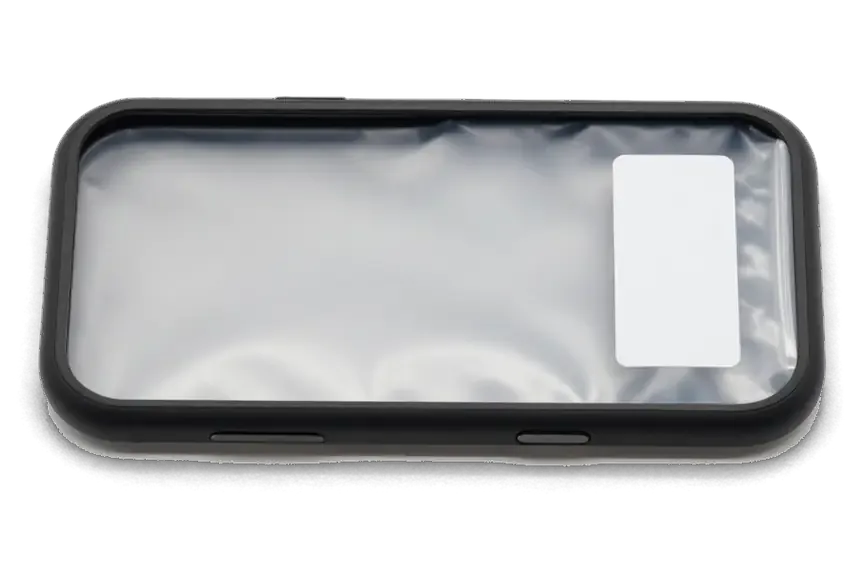
Send a photo of the damage on WhatsApp and an engineer replies within 5 minutes with a price and a free time slot, then fixes the part, turnaround and warranty on the receipt in about 2 minutes before work starts. The photo tells us the colour and damage pattern, so the part is matched to your device before you arrive. We show the new housing in its factory packaging before installation, so you see which part goes on. Writing down the part type before opening the phone protects you if the housing looks different from the one discussed. This is how iPhone SE housing replacement in Astana stays transparent from the first message to the fixed receipt.
Moving the internals into the new shell
We move the board, battery, cameras, Taptic Engine, speakers, charging flex and button flexes into the new housing, then re-glue the water-resistant contour and show you the old part at pickup. Each module is lifted out in a set order, seated in the new frame and tested for alignment ahead of the next one going in. The screen, home button and rear camera keep their original calibration, so Touch ID behaviour stays as it was. Every flex is unclipped by hand rather than pried, because a torn button or charging flex on an older SE is harder to source than the housing itself.
How long the visit takes and how to plan it
Steps and timings of a housing visit| Step | What happens | Typical time |
|---|
| Photo quote | Engineer replies on WhatsApp | within 5 minutes |
|---|
| Free diagnostics | Device checked in front of you | 15 minutes |
|---|
| Receipt | Part, turnaround, warranty fixed | about 2 minutes |
|---|
| Housing swap | Internals moved, re-glued | while you wait |
|---|
| Handover | 32 functions checked together | about 10 minutes |
|---|
Original or Aftermarket Housing and What It Changes
The SE housing comes in an original version and an aftermarket one, and the difference shows less in photos than in how the gaps sit and how the aluminium reads in daylight.
Fit, colour shade and the matte-versus-glossy question
An original housing matches the factory gap lines and the exact shade of the aluminium, while an aftermarket housing can sit a fraction tighter at the side buttons and read slightly warmer or cooler outdoors. We show every new part in its sealed packaging ahead of installation, so you judge the finish on the bench, not on a stock photo. The matte anodised surface is where the cheaper option differs most: some units come out a touch more reflective, obvious next to the untouched top edge. Fit around the SIM tray is the second tell, as a tight cut makes buttons feel stiffer. Bring the phone into daylight before approving the part, since indoor lighting hides small colour shifts.
Comparing the two housing options side by side
Two housing grades compared by fit, colour and warranty cover| Parameter | Original housing | Aftermarket housing |
|---|
| Gap fit | Factory lines | Slightly tighter at buttons |
|---|
| Colour shade | Exact match | Small warm or cool shift |
|---|
| Glass inserts | Bonded as from factory | Bonded, may sit prouder |
|---|
| Warranty | Up to 1 year | 6 months |
|---|
What We Check After the New Housing Is On
Once the housing is on, the device is tested with you at the counter, not eyeballed in a back room, and we say plainly what the seal can promise.
The functions we test together ahead of handover
After the swap we check 32 functions in about 10 minutes, running through Touch ID, cameras, microphones, speakers, charging, network and the buttons with you at the counter. The engineer opens the camera app, records a short clip with sound, makes a call and plugs in a cable — each result is shown on screen. Touch ID matters most on a first-generation SE, because the home button flex sits close to the display connector and a half-seated plug drops the fingerprint response. Touch ID runs through the home button flex, so a fingerprint that fails after a housing swap almost always points to a pinched flex rather than the sensor itself — we reseat or replace that cable ahead of your leaving.
What happens to water resistance after the shell is opened
We re-glue the water-resistant contour during assembly, but factory water protection is not guaranteed after any opening, even with a fresh seal. The original gasket is compressed the moment the unit is first opened, and a replacement adhesive ring restores the contact but not the pressure test each one passed on the line. In practice the difference shows up slowly: steam in the bathroom, a wet pocket on a rainy day, a splash at the sink. Treat the handset as splash-resistant rather than waterproof afterwards. If the body was bent prior to the swap, ask the engineer to check the frame seating at handover — a warped frame keeps the new contour from pressing evenly, and that is the one case where we recommend a case.
Summary: iPhone SE Housing Replacement
A housing swap on the compact SE comes down to a few points: what the housing actually is, what damage justifies the job, and what to expect once the device is reassembled.
- The SE has no separate back glass. Its aluminium body with bonded glass inserts is replaced as a whole, all internal parts moved across.
- Damage decides the job. A cracked insert or bent frame needs a full housing; light scuffs are often left alone.
- Part grade shows in the details. Original and aftermarket housings differ in gap fit and colour shade more than in photos.
- Functions are verified, not assumed. Touch ID, cameras, charging and network are tested together before handover.
- Water resistance drops after opening. A fresh seal helps, but treat the device as splash-resistant only.







 iPad
 MacBook
 iMac
 Mac mini and Studio
 Apple Watch
 AirPods
 Apple Pencil
 Apple TV
 HomePod