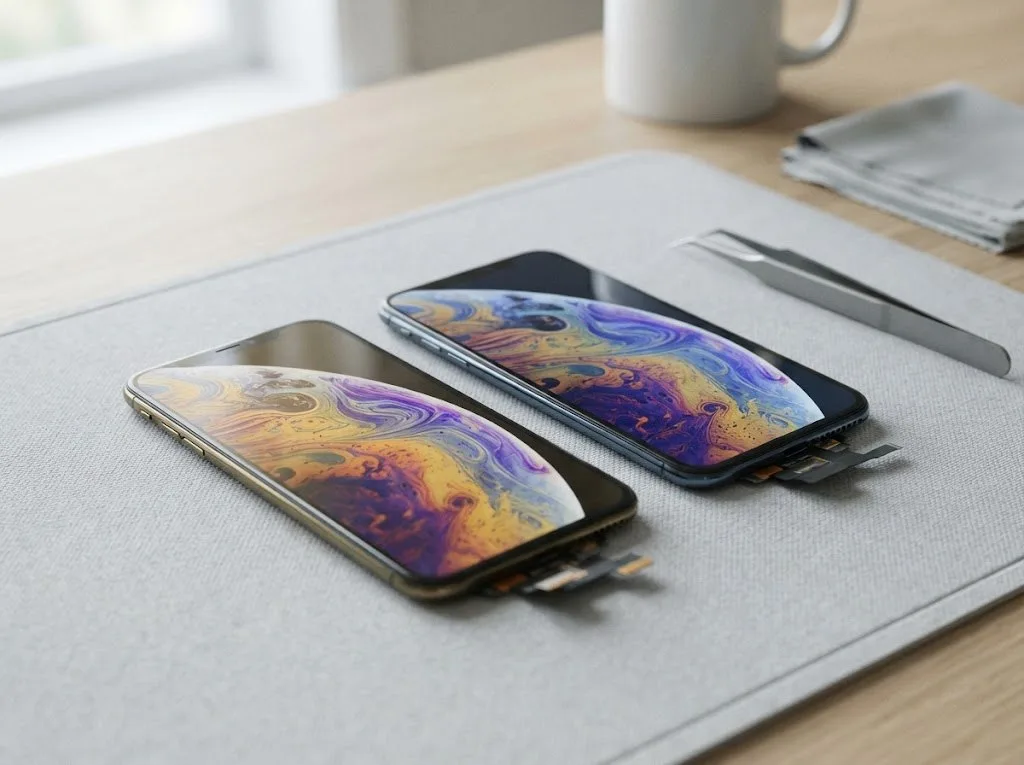
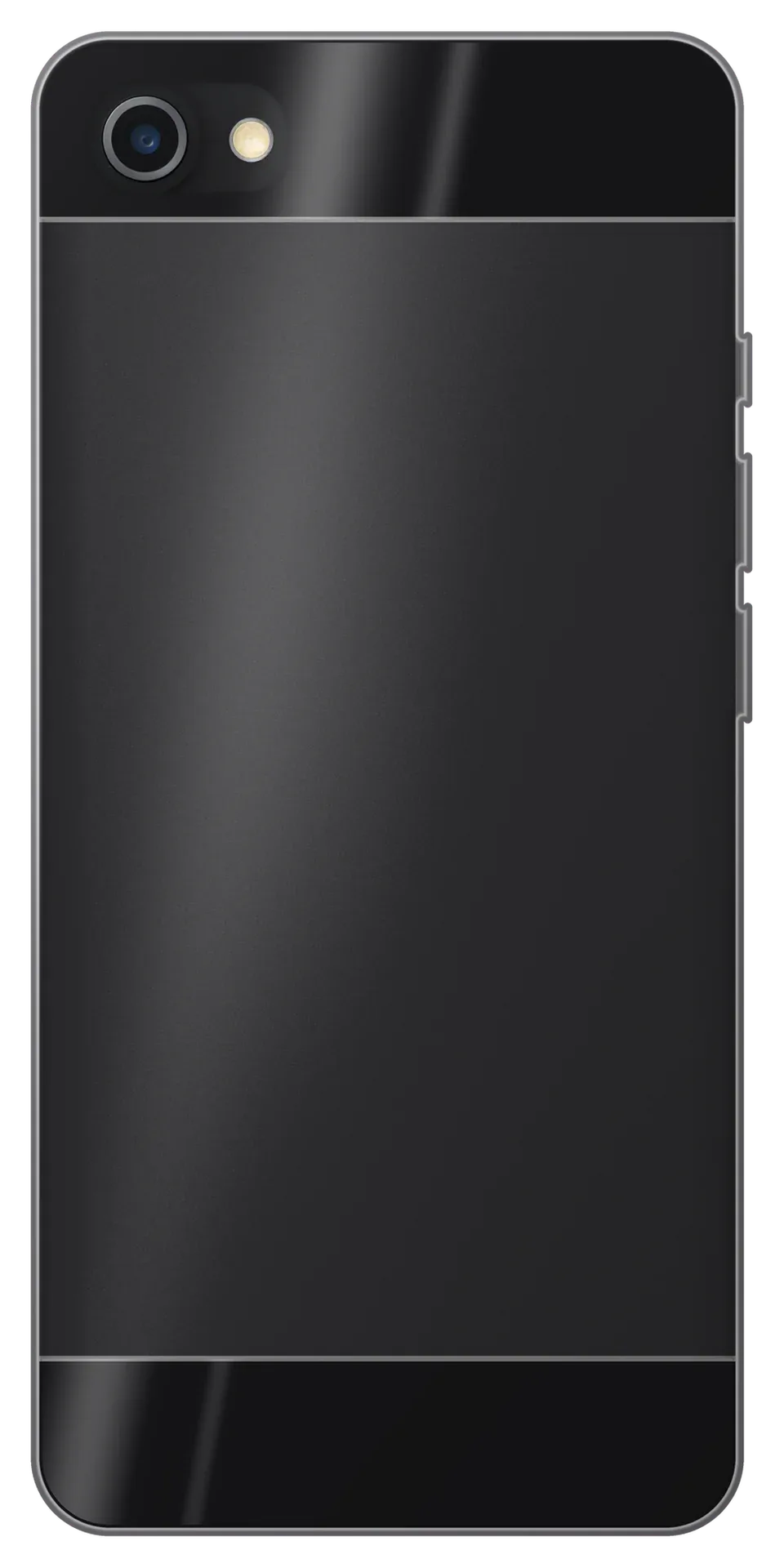
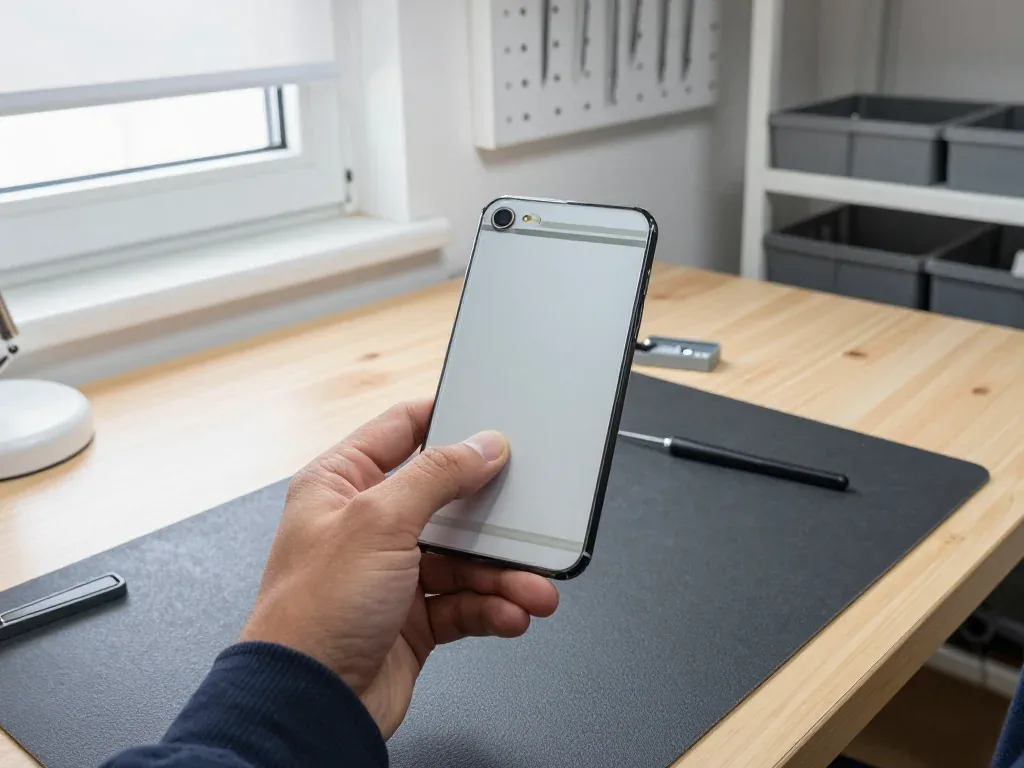
The iPhone 5 wears a single aluminium shell with glass inserts at the top and bottom, so a damaged corner or insert cannot be patched piece by piece. Below are the signs that point to a full housing swap.
Cracked inserts, dents or a bent frame
Because the iPhone 5 body is a single aluminium piece with glass inserts at the top and bottom, damage such as a dented body or cracked insert calls for swapping the entire housing rather than one panel. Those glass strips are antenna windows, and once one lifts or shatters, the metal underneath is exposed to grit and moisture. A dent on the chamfered edge is more than a mark: it pushes the frame inward, and the glass no longer sits flush along that side. Lay the phone face-down on a flat table — a chassis bent by a fall will rock instead of lying still, the clearest signal the body has lost its shape. A frame bent by more than a hairline usually will not seat new glass flush, so straightening is pointless — the geometry has to come from a fresh housing.
Pre-arrival checklist
- Secure the crack: apply clear tape across a broken insert to keep fragments in place and prevent cuts.
- Skip tight pockets: a back pocket or a crowded bag presses on the lifted glass and widens the gap along the edge.
- Stay away from moisture: a lifted insert lets water and dust under the shell, and damp air starts corrosion on the antenna contacts.
- Avoid wireless pads: heat from a charging pad softens the adhesive around the insert and can peel it further before the visit.
The iPhone 5 Housing Replacement Process at iServices
We walk you through the route from a photo on WhatsApp to handover with the old housing: free diagnostics, a fixed receipt, and a function check you watch together with the engineer.
Starting with a WhatsApp photo, ending with a fixed receipt
Send a WhatsApp photo and within 5 minutes we quote; free diagnostics take 15 minutes and are done in front of you; then, before any work begins, the price, component, turnaround and warranty are fixed on the receipt. The engineer opens the phone on the counter, shows you the bent chassis or torn insert, and names the component before anything is ordered — original or aftermarket, your call. Everything then goes onto paper: which housing, how long the job takes, and what the coverage includes up to 1 year. A courier can be called if you would rather not travel across the city yourself. Ask for the receipt copy before the technician opens the phone — it settles any dispute about which component went in and how long the job should take. For those seeking iPhone 5 housing replacement in Astana, we apply this identical procedure to every client.
The swap itself and how long you wait
The technician moves the board, battery, cameras, Taptic Engine, speakers and button flexes into the new housing, and 72% of our repairs finish while the customer waits in the lounge with coffee and Wi-Fi. Swapping the housing on an iPhone 5 involves a complete disassembly, not just a quick panel swap — each flex cable must be carefully detached, marked, and reconnected, and while the body is open, the antenna contacts and screw mounts warrant thorough inspection. Most jobs of this kind sit inside the 20–40 minute window typical for this work, and the whole route from first message to pickup usually takes less than an hour. The open chassis is the best moment to flag a tired battery — replacing it during the same visit saves a second disassembly later.
Which iPhone 5 housing replacement fits and what changes after the swap
The iPhone 5, 5s and first-generation SE share one frame design, so the parts are close but not identical in seating and tint. Below we compare the options and describe what changes in your hand.
Original part or aftermarket shell
Two housing options and how their finish reads| Option | Gaps and fit | Colour match | What we note on the receipt |
|---|
| Original housing | Factory tolerances, even seams | Closest to the worn body | Part type and warranty term |
|---|
| Aftermarket shell | Slightly looser seams | May read cooler in daylight | Part type and warranty term |
|---|
| Insert tint check | Compare under daylight | Differs outdoors, not in shop light | Part type and warranty term |
|---|
Colour, inserts and the look in your hand
A new housing restores the sharp edges and clean insert lines that scuffs and pocket wear dull over years, and the finish can differ from the faded body simply because the old panel aged. The 5, 5s and first-generation SE carry glass inserts at the top and bottom of the rear panel, and those strips sit flush only when the body is seated correctly. Anodised aluminium darkens unevenly with handling, so a fresh housing often looks brighter than the one you remember. Keep the old housing we hand back — it is the only true colour reference if you ever order a second part or resell the phone with its history documented.
Function Checks That Matter After a Housing Swap
Once reassembled, the phone ought to perform just as it did prior to the drop. Below is what the engineer checks together with you right at the counter, plus a candid note on water protection.
The 32-point check we run with you
- Touch ID: the home button flex is re-seated during the swap, so the fingerprint sensor is tested first and must unlock on every press.
- Cameras: both the rear module and the front camera are checked for focus, dust under the lens and a clean image on screen.
- Microphones and speakers: we record a short voice memo and play it back, then run the earpiece and loudspeaker at full volume.
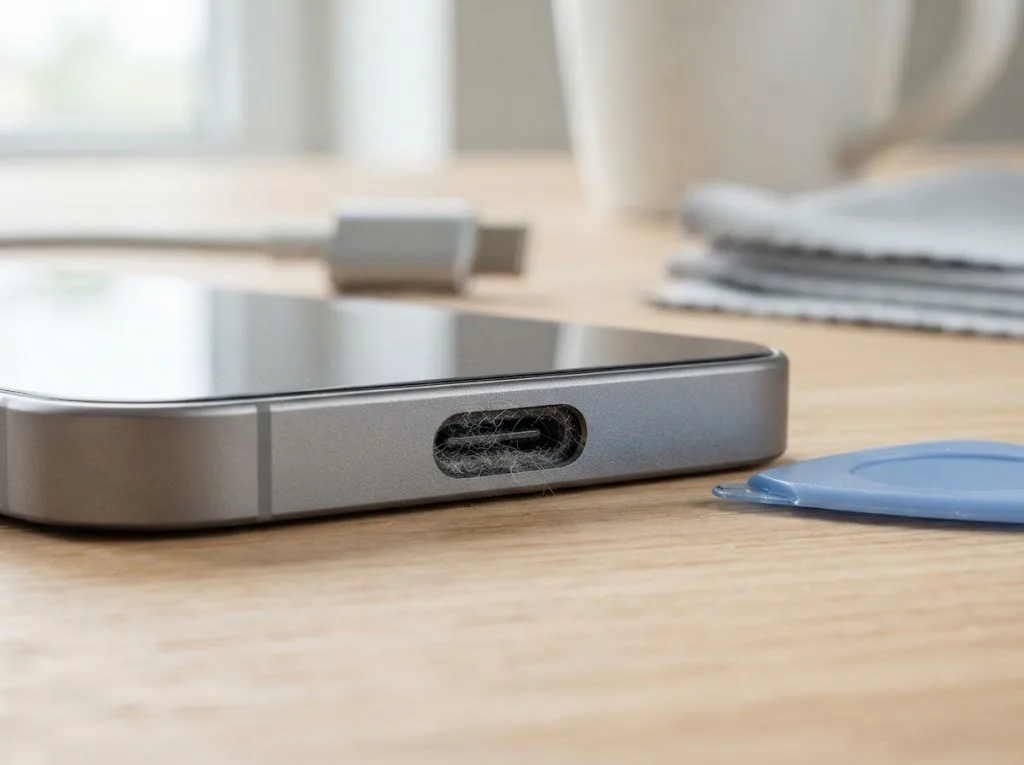
- Charging and network: the Lightning port takes a cable at the correct angle, and the SIM tray is re-inserted with signal and data confirmed.
- Buttons and switches: power, volume, mute and the sleep switch are pressed one by one to catch a pinched flex before you leave.
Water resistance after the housing is opened
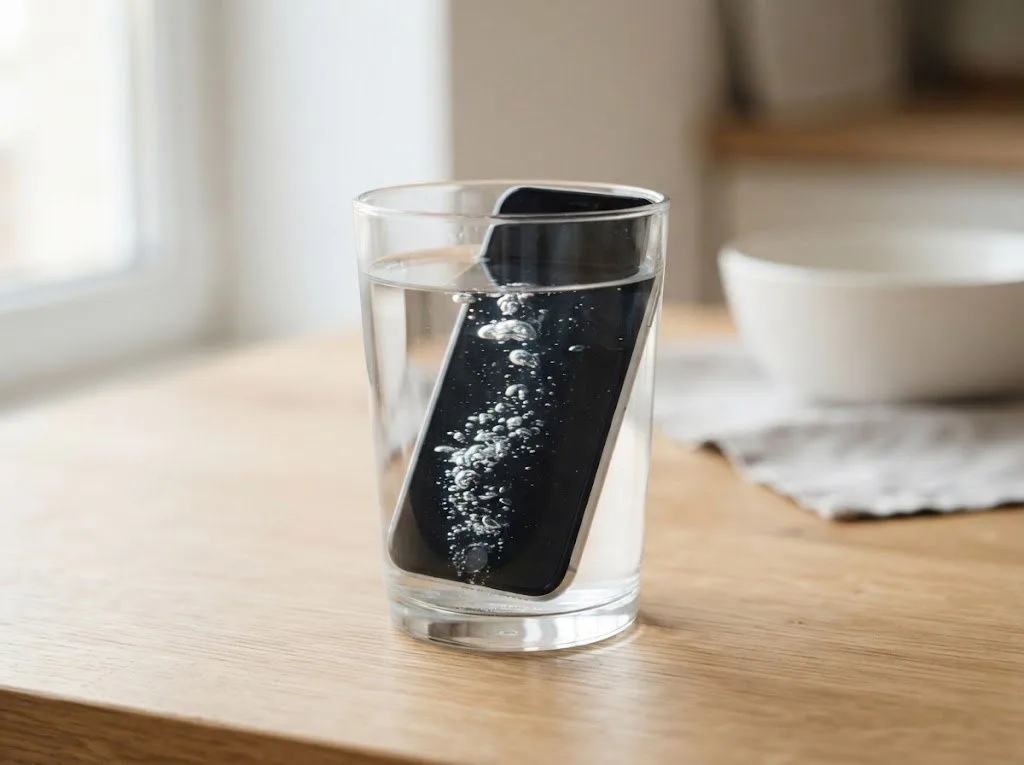
Any housing swap opens the phone, so factory water protection is not guaranteed afterwards, even with a fresh adhesive gasket fitted during assembly. The original seal is applied under factory pressure, and a hand-fitted gasket cannot match that bond around the seams and the SIM tray. Consider the device only splash-resistant and avoid pools, rain, and steamy bathrooms — the gasket retards moisture but does not seal the seams like the original factory press. If the chassis was bent, the new housing sits straighter, which actually helps the gasket seat evenly along the edges. Keep in mind that the gasket is a barrier against splashes, not a substitute for the factory seal.
Turnaround, Handover and Warranty on the New Housing
A housing swap is a short visit with a long tail of paperwork and protection. Here is what the appointment takes, what leaves the workshop with you, and whether a fresh frame still earns its keep on an older phone.
What you take home after the visit
You leave with the phone, the receipt, a warranty card covering the work up to 1 year, and the old housing in a bag, and the whole visit from first contact to pickup usually takes under an hour. The receipt is not a formality: price, part type, turnaround and warranty are written on it before any screw comes out, and the new housing is shown in factory packaging first. While the swap runs, you can wait in the seating area with coffee and Wi-Fi — 72% of our repairs finish while the customer stays on site. We hand the old housing back deliberately, because it carries the original inserts and colour code and settles any later question about what came off your handset. Store the warranty card with the receipt in one place — a claim is settled faster when both documents show the same part type and date.
Is a new housing worth it on an older iPhone 5
A new housing makes sense on an iPhone 5 when the internals still work and the damage is cosmetic or structural, because the body is what keeps dust, moisture and flex stress away from the board. A bent chassis does not stay bent in isolation: it flexes the logic board every time the handset goes into a pocket, and a dented corner eventually lifts the screen away from the body and lets grit in behind the glass. Once moisture reaches the board, the job shifts from a shell swap to microscope work that runs 1–3 days. If the battery and screen are also tired, price the whole set of tasks at once — three separate visits on a phone this age cost more in time than the parts themselves.
Summary: iPhone 5 Housing Replacement
A housing replacement on the iPhone 5 is a mechanical job with a clear set of outcomes. Here is what to keep in mind before you decide.
- One-piece shell: the chassis and back form a single unit, so cracked inserts, dents and a bent edge are fixed by replacing the housing whole rather than patching it.
- Everything moves over: internals such as the battery, buttons, cameras and logic board get placed inside the new housing, so the exterior is renewed while what's inside remains yours.
- Post-repair checks: after assembly the technician verifies Touch ID, cameras, speakers, charging, network and buttons to confirm nothing was disturbed.
- Sealing reality: factory water resistance is not guaranteed once the shell is opened, even with fresh adhesive, so treat the phone as splash-prone afterwards.
- Part choice matters: original and aftermarket housings differ in fit and shade, and that difference is written on the receipt before work begins.








 iPad
 MacBook
 iMac
 Mac mini and Studio
 Apple Watch
 AirPods
 Apple Pencil
 Apple TV
 HomePod