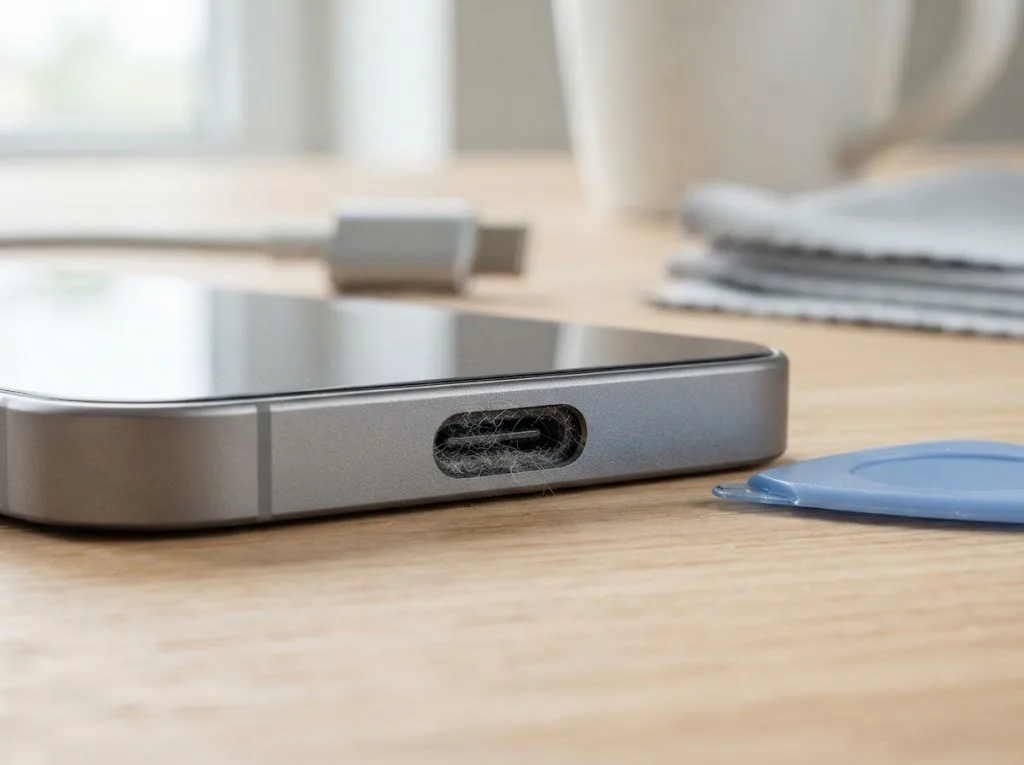
A dark screen does not automatically mean a dead board. On the way in, the engineer separates a worn battery, a clogged Lightning port and a stuck power flex from a genuine board fault before anyone quotes a repair.
When a dead phone is the battery or the connector, not the board
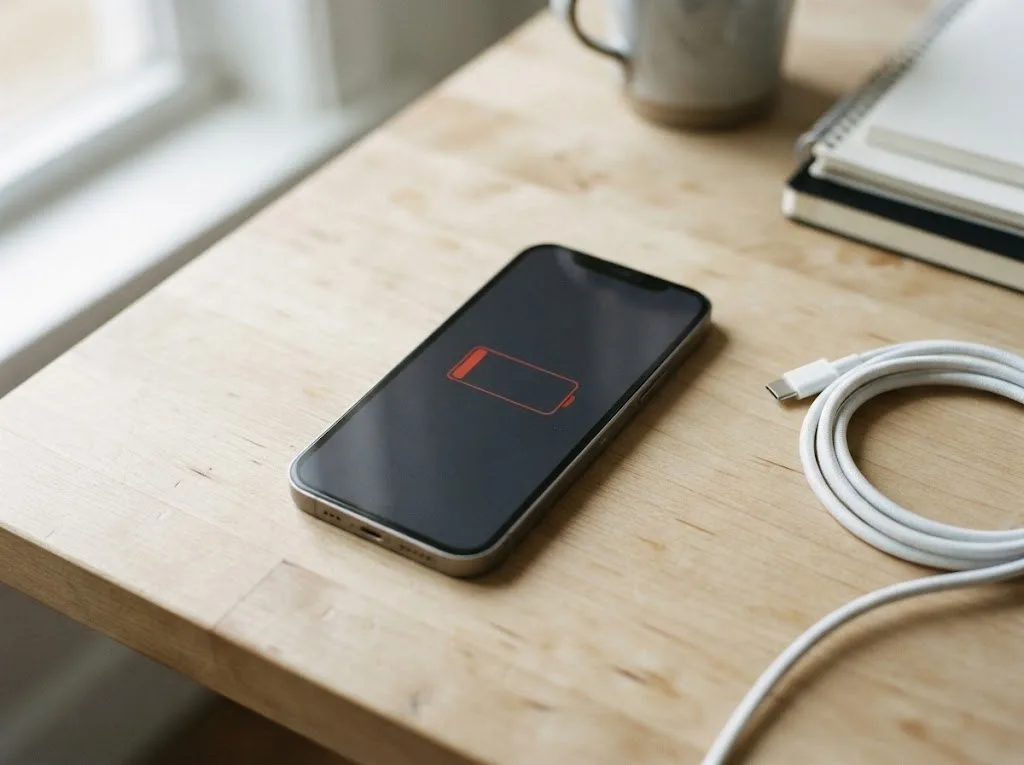
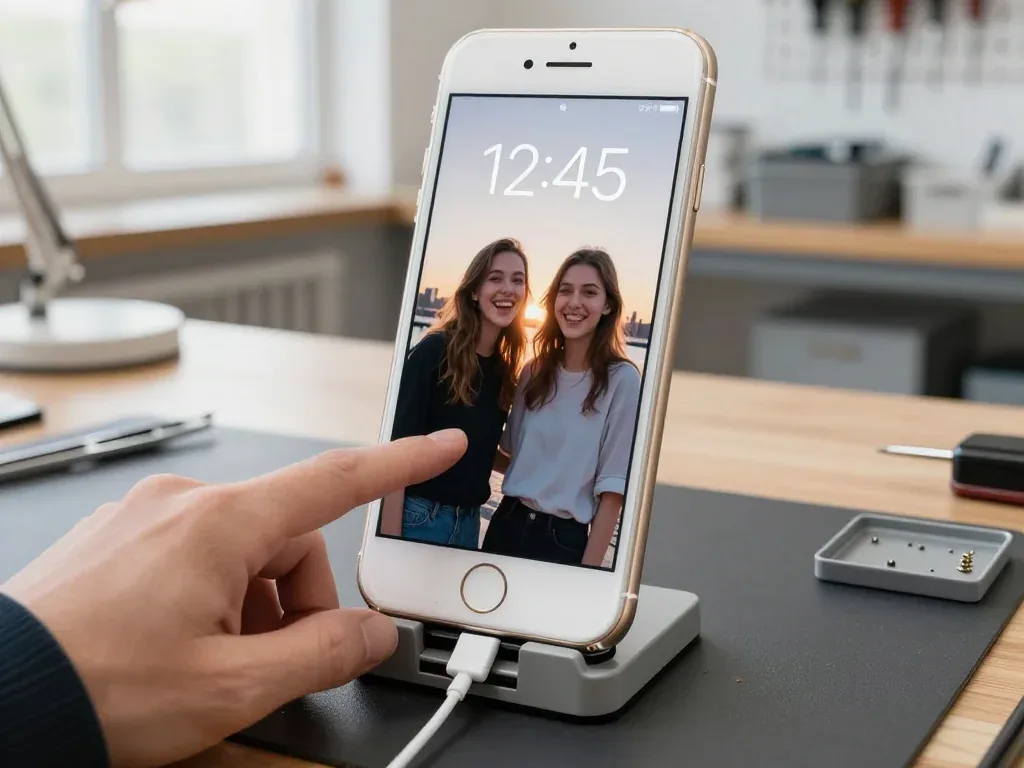
A handset that stays dark is often a worn battery, a dirty Lightning connector or a stuck power flex, and only current-draw testing separates those from a board fault. A cell that has cycled through years of charging loses capacity and can no longer hold voltage under the boot load, so the device shuts down mid-startup and looks completely dead. A Lightning port packed with lint blocks charging entirely, and the handset behaves the same way. The flex behind the side button wears out from daily presses and stops sending the wake signal. A swollen or weak cell mimics a fried board, so the engineer loads the circuit and watches the current draw before blaming the logic board.
Symptoms that point straight at the board
- Heat with the screen off: a warm patch near the camera while the handset sits idle points to a shorted rail, not a running app.
- Boot loop on the Apple logo: the device restarts before the system loads, which usually traces to a power controller or a corrupted rail.
- Fast drain at rest: a unit that loses charge overnight with nothing running suggests a leaking component on the board.
- No network after a known-good SIM: a modem section fault, not a carrier problem, when the SIM and tray check out.
- Silent calls and no audio: a failed audio codec leaves speakers and microphones dead across every app.
How we diagnose an iPhone 8 logic board repair in Astana
Diagnostics is not a quick glance and a verdict. It is a measured sequence: current draw, a hunt for a short, then the microscope — and it costs nothing even if you walk away.
What the engineer checks in 15 minutes
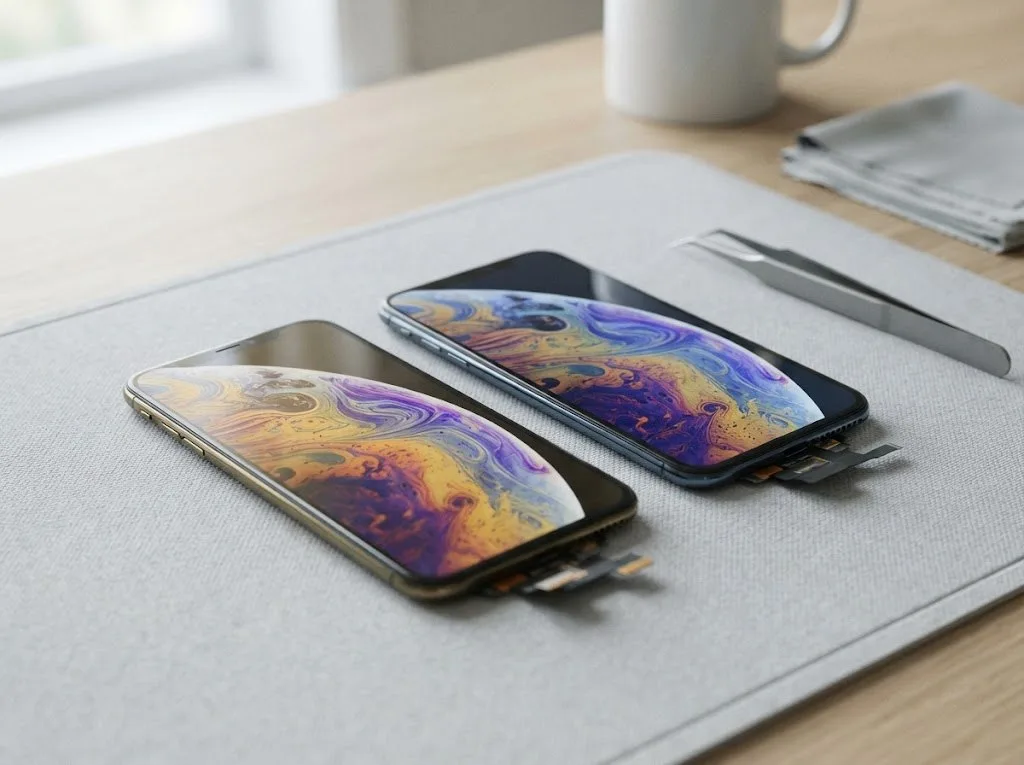
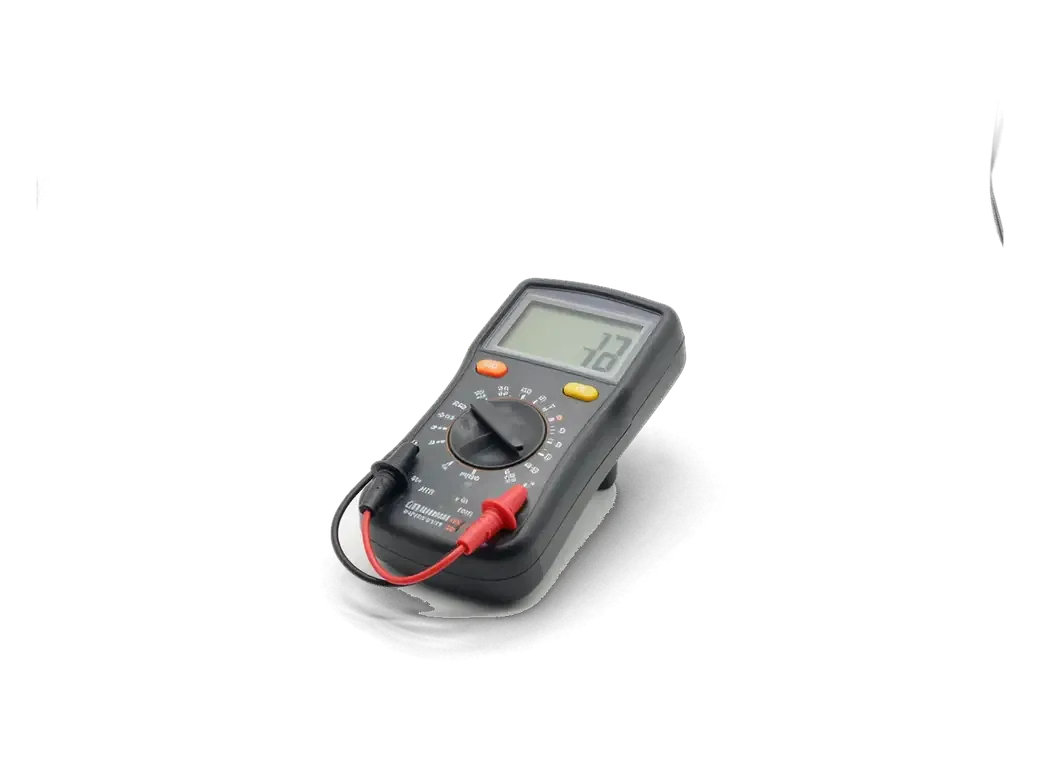
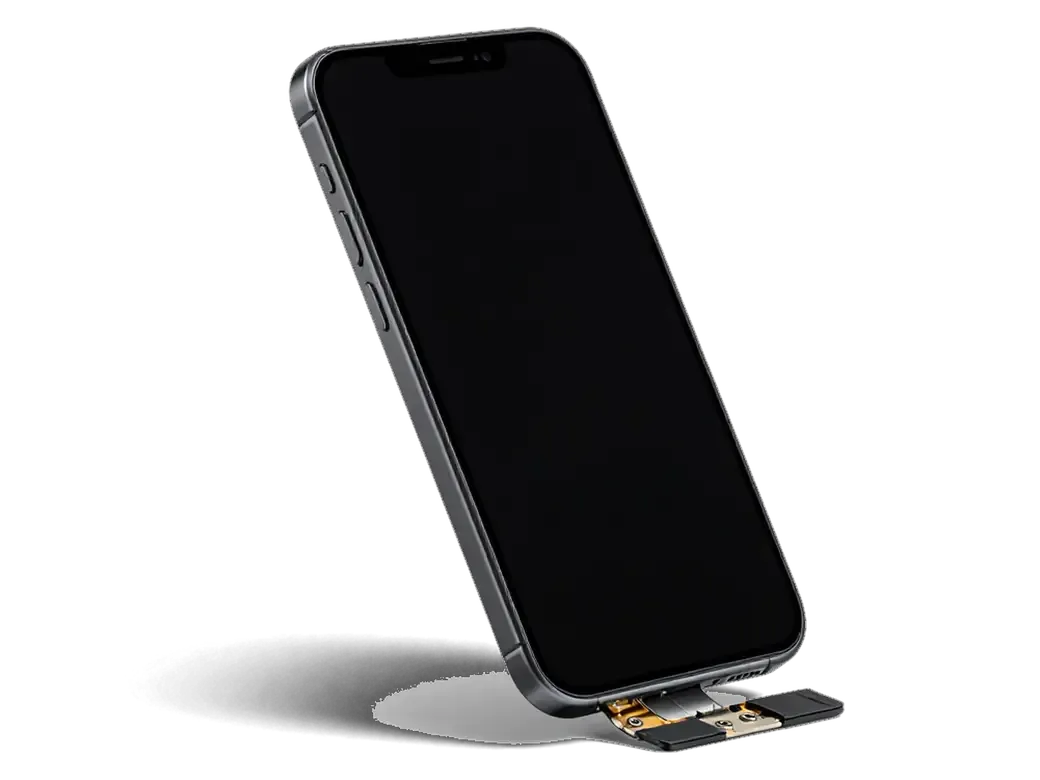
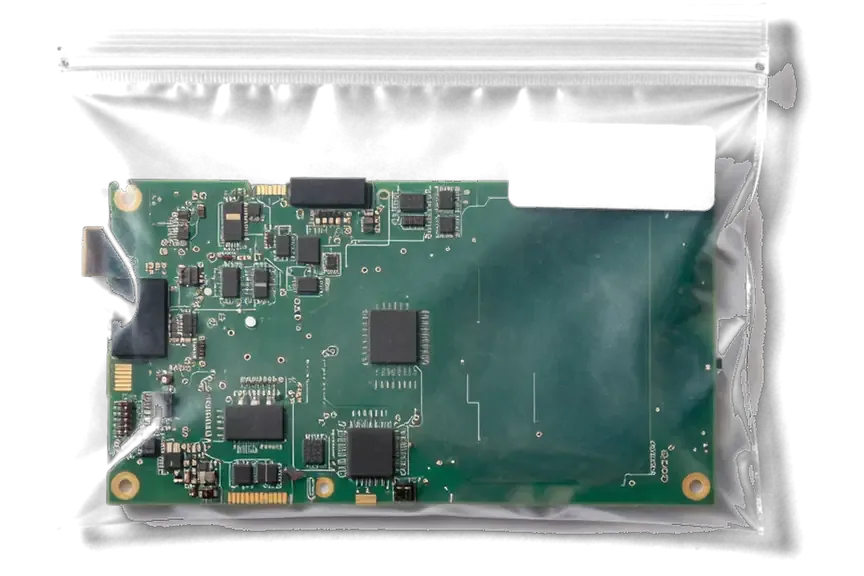
We run free diagnostics in front of the customer for 15 minutes, measuring current draw on a lab power supply and hunting a short before naming the failed node. The engineer opens the device, connects the board to the supply and watches the ammeter respond as power reaches each rail. A board that pulls nothing at all and one that pulls too much point to different rails, so the reading narrows the search ahead of the microscope. From there the board goes under magnification and the suspect line is traced to the component that failed. You watch the whole sequence on the bench. This is how an iPhone 8 logic board repair in Astana starts — with a clear picture of the fault before any work begins. Bring the unit in before someone else has probed it — an untrained hand often hides the original fault under fresh damage.
Why water damage can stretch diagnostics
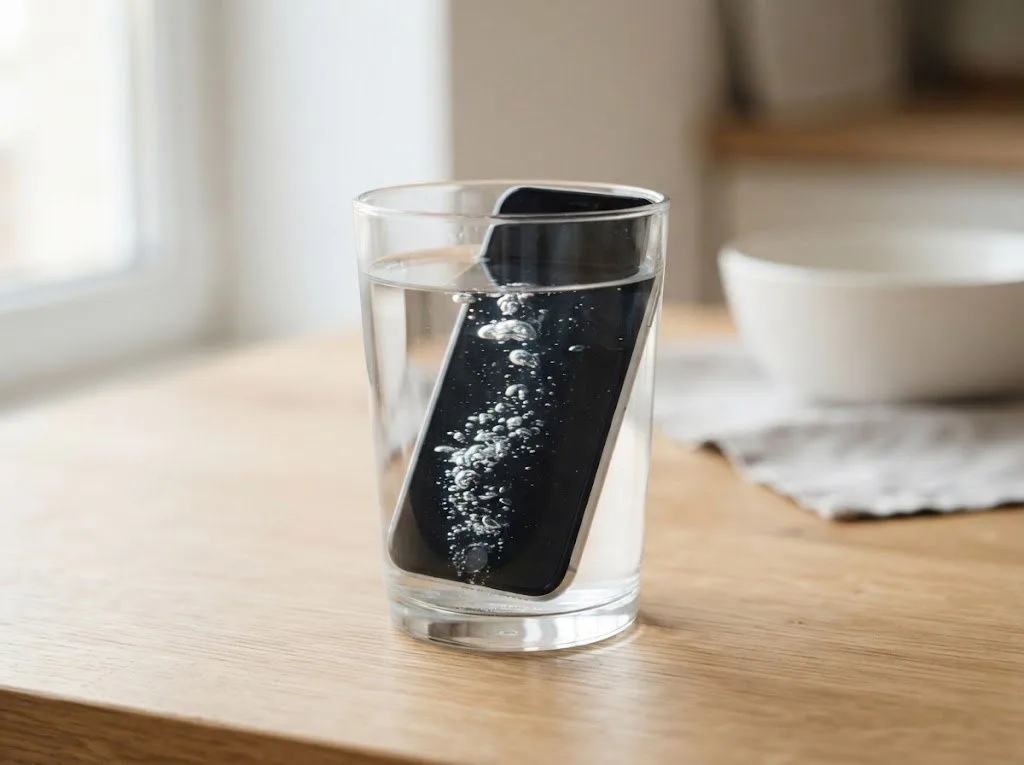
After liquid contact we sometimes need up to two days of diagnostics, because corrosion keeps spreading along the contacts even once the phone looks dry. Liquid carries salts that stay on the board after the visible moisture evaporates, and those deposits keep eating at traces and solder joints underneath the shields. Powering a wet board on to test it feeds that process, so the safest move is to keep it off and bring it in early, while the traces are still sound. We strip the shields, clean the board in an ultrasonic bath to lift the oxide, then inspect every joint under the microscope for corrosion that has bitten into copper. Only after that does the current test mean anything. A handset that came out of water and still switches on is not proof of health — the damage usually shows up weeks later.
Component repair or full logic board replacement
Most iPhone 8 faults sit on a single part of the board, so the whole board rarely needs replacing. A full swap becomes the fallback when the damage is deeper, and it alters what the phone retains.
When a single chip can be repaired under the microscope
We repair the board under a microscope when the fault is a single chip such as the charging controller, the power controller or the audio codec, and your data stays on your own board. The microscope reveals cracked solder joints, burnt pads and shorted lines invisible to the eye, so the engineer reflows or replaces only the failed chip. Reballing a BGA chip restores its solder joints without swapping the chip itself, which preserves the paired serial and stored data. Board work takes 1–3 days because it runs in stages under magnification and each stage needs a test pass. Ask which chip failed before you agree to any board-level work — a vague answer often means the shop plans a swap instead of a repair.
Comparing chip repair and a full board swap
what each repair route preserves on the phone| What changes | Single-chip repair | Full board replacement |
|---|
| Your data | Stays on your board | Does not transfer |
|---|
| Touch ID | Still works | Stops working |
|---|
| IMEI and serial | Unchanged | Follow the donor |
|---|
| Turnaround | 1–3 days | 1–3 days |
|---|
| Best when | One failed chip | Multiple layers damaged |
|---|
What survives the repair on an iPhone 8
The owner's first question is usually about the phone's contents and its fingerprint reader. The answer splits cleanly in two: it depends on whether the engineer repaired a component or replaced the whole board.
Where photos and files actually live
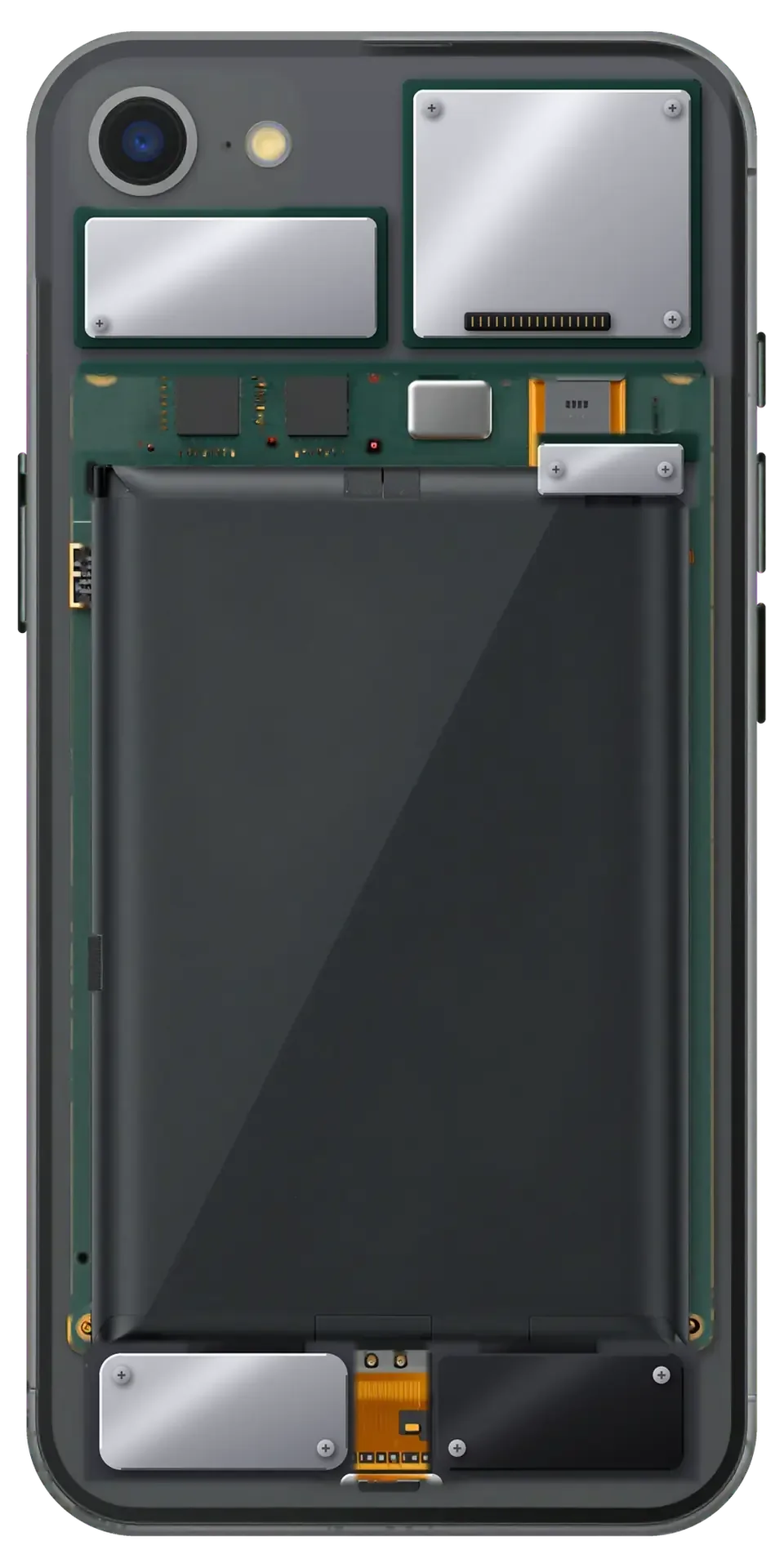
Photos, messages and files sit in the encrypted NAND memory soldered to the board, so they survive a component repair and do not follow a new board. That memory chip holds every account, chat history and camera roll on the device, and the encryption key that unlocks it lives on the same logic board. A microscope-level repair of a single chip leaves both the memory and the key untouched, so the phone boots with everything in place. A full board swap brings a different chip with a different key, and the old data stays locked inside the removed part. Because that memory is encrypted to its own board, a backup made before the repair is the only reliable way to keep data if a swap turns out to be the fix.
Touch ID and the Home button after a swap
On this model the Touch ID sensor is paired with the processor on its own board, so a replacement board leaves the fingerprint reader dead even though the button still clicks. We see this on every swapped unit: the Home button presses and returns to the springboard, but the sensor no longer registers a finger. The pairing is a hardware link, not a software setting, so no update or re-flash restores the fingerprint once the original board is gone. When a customer asks us to keep Touch ID alive, component-level repair under the microscope is the route that preserves it, provided the sensor itself is intact.
How the repair runs and how we check the result
The path from a WhatsApp photo to a handed-over phone follows fixed steps, and each one ends with something written down. Price, part, turnaround and warranty are locked before any work begins.
From a WhatsApp photo to a receipt
- Photo first: send a picture of the damage on WhatsApp and an engineer replies within five minutes with a quote based on it.
- Free slot: the same message names a free time slot, so the visit is planned before you leave home.
- Receipt in two minutes: price, part (original or aftermarket), turnaround and warranty are written down and signed before work starts.
- Part shown: the new piece arrives in factory packaging and is opened in front of you before installation.
- Board timeline: logic board repair takes one to three days, while screens, batteries and camera glass finish in twenty to forty minutes.
The 32-point check and the warranty
After the repair we check 32 functions together with you in about ten minutes, covering network, cameras, microphones, speakers and charging, and hand the phone back with a warranty up to 1 year. The engineer sits beside you through the whole list rather than running it alone in the back room. Testing the network and both microphones matters most after board work, since a modem or codec fault can hide behind a phone that otherwise boots fine. You leave with the receipt, the warranty card and the old part in a bag. The ten-minute check catches more than a quick power-on test ever does, and it is the step customers remember when something misbehaves weeks later.
Summary: iPhone 8 Logic Board Repair
A board fault is a diagnosis, not a verdict. What follows is the short version of what decides the outcome, what your data does, and where patience pays off.
- Not every dead phone is a board case: battery, connector and power flex are ruled out first, and only then does the fault point at the logic board.
- Testing decides the scope: current-draw measurement and a short-circuit hunt show whether one chip is repaired or the whole board is swapped.
- Your files live in the board memory: photos and messages survive a chip repair but go with the board on a full swap.
- Touch ID is tied to the original board: once that board is replaced, the fingerprint sensor stops working and no re-pairing brings it back.
- Water damage rewards patience: corrosion keeps spreading under the shield, so diagnostics can stretch to two days.








 iPad
 MacBook
 iMac
 Mac mini and Studio
 Apple Watch
 AirPods
 Apple Pencil
 Apple TV
 HomePod