On the 6s Plus the front glass, the digitizer and the LCD are bonded into one sealed module, so swapping only the cover is not what a repair shop actually does. First we establish what failed.
Cracked glass or a dead panel, how to tell
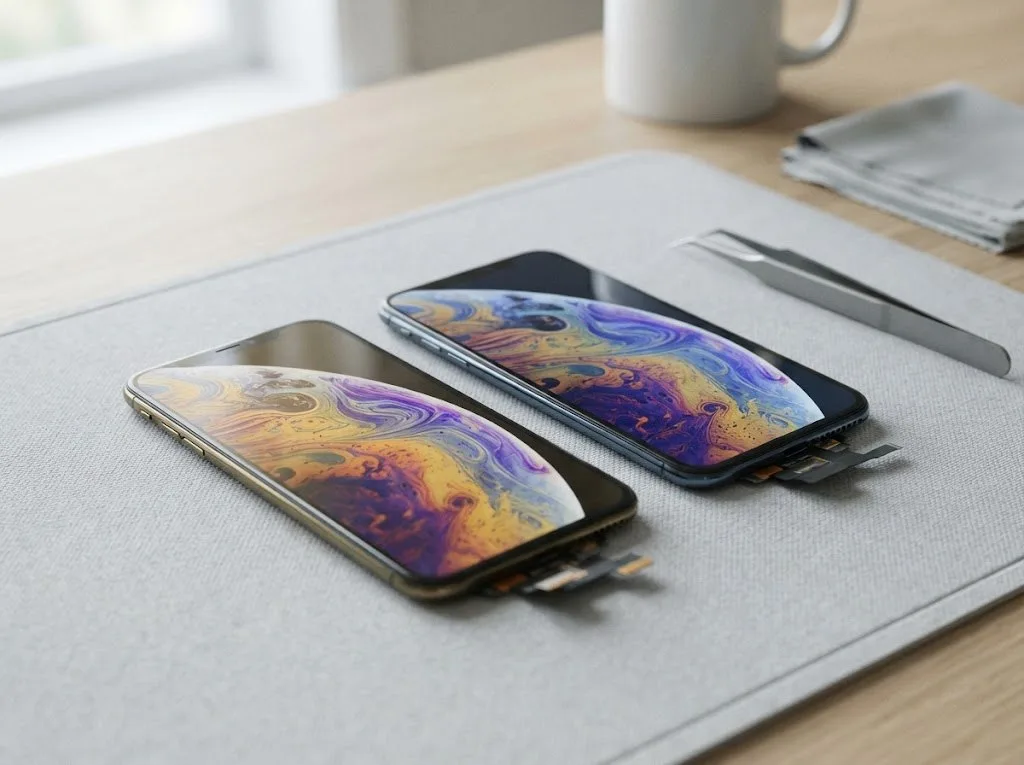
A crack in the front glass almost always means the full display module is replaced, because on the 6s Plus the cover, digitizer and LCD are bonded into one sealed unit. A single hairline crack, a spiderweb spreading from a corner, dark blotches under the surface and dead bands along an edge all point to the same outcome: the assembly comes out as a whole. Input that stops responding in one zone while the rest of the screen still lights up is the same story, since the digitizer sits inside that bonded stack. If the cover is intact but the picture is striped, patchy or black while the phone still vibrates, the fault may sit in the display flex or the board rather than the panel, so a 15-minute check in front of you decides what actually gets swapped.
When the screen is whole but the phone misbehaves
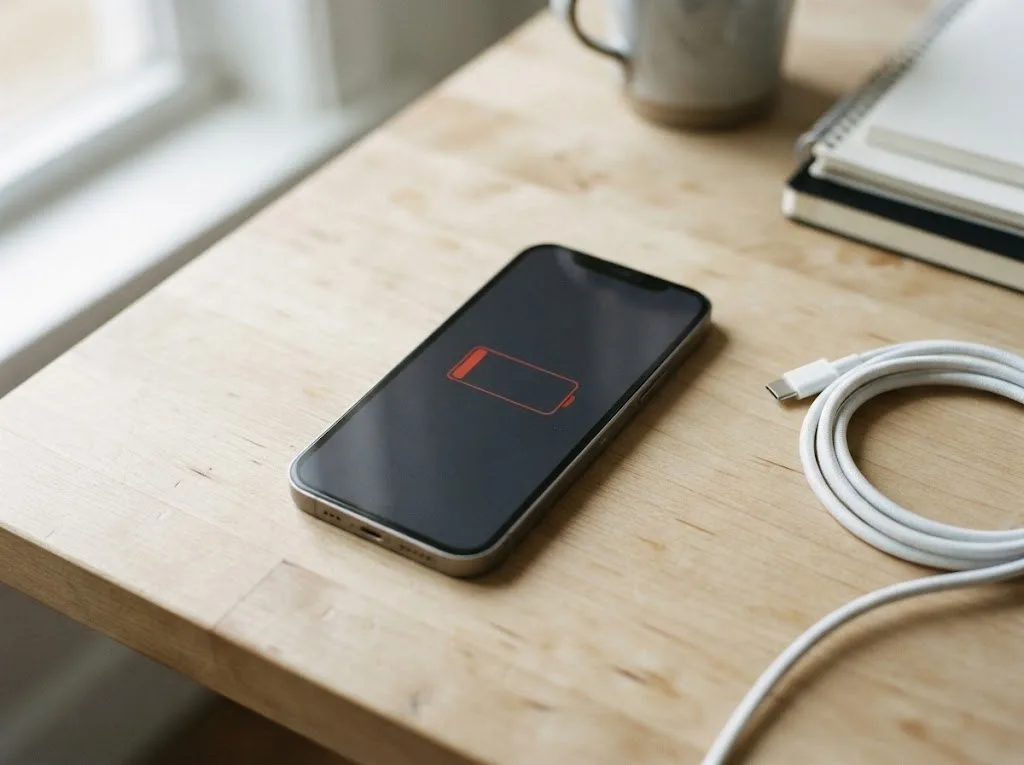
We see 6s Plus units arrive with an unbroken screen that ignores input, fires phantom taps or flickers, and in those cases the display flex, the connector or the board is often the real culprit. A phone that took a knock can look flawless and still register presses nobody made, or dim and brighten on its own; reseating the connector sometimes settles it, and sometimes the board needs work under a microscope. Liquid damage is the slow case — after water contact diagnostics can take up to two days, so a handset that was dropped in water should not be powered on repeatedly while you wait for the check.
Original or Aftermarket Panel for Your iPhone 6s Plus Display Replacement
The 6s Plus uses an LCD matrix with a backlight and a pressure layer, so the real choice is an original part or a quality aftermarket one — the difference shows in brightness and colour.
Two panel options side by side
Compares the display options we fit to a 6s Plus| Panel option | What it is | How it behaves |
|---|
| Original part | Factory LCD with sensor and pressure layer | Matches factory brightness and colour |
|---|
| Aftermarket part | Quality copy LCD assembly | Slightly different tint, keeps pressure sensing |
|---|
| Glass-only repair | New glass bonded to old panel | Not handled here, assembly is replaced |
|---|
Why the module is replaced as one piece
On the 6s Plus the glass, the digitizer and the LCD are laminated together, so a glass-only swap means separating and re-bonding layers — a different and riskier job than fitting a new assembly. A fresh part also restores a clean, unscratched surface and a sensor with no dead zones, which matters on a phone where the pressure layer sits right under the front cover. 64% of customers choose the original option for exactly this reason, while the rest take the aftermarket variant and still pass the same function checks before handover. A new assembly keeps the display tuned as the factory set it, so brightness and colour stay even across the whole screen rather than drifting in one corner. That evenness is easy to check at handover on a plain white background.
What Survives the iPhone 6s Plus Display Replacement Swap Touch ID and 3D Touch
The main worry for a 6s Plus owner is losing Touch ID and 3D Touch after a screen swap. On this model both survive, provided the technician moves your own components from the old module onto the new one.
Keeping the original Home button and Touch ID
We move your original Home button with its fingerprint scanner onto the new module, because the scanner is paired to the phone's board and a different one would stop fingerprint unlock from working. It sits in a steel ring on the lower flex, and the two cables that feed it are thin enough to tear if the assembly is lifted without warming the adhesive first. We also carry over the earpiece speaker and the proximity sensor from the top flex instead of fitting a donor set, so the sensor keeps the calibration it had at the factory. A donor part from another 6s Plus will physically fit and click, yet the phone will reject it at setup. The same logic applies to the small parts on the top flex — ask any workshop to confirm they reuse your own components rather than a donor set.
3D Touch and the iOS parts notice
The 6s Plus keeps its 3D Touch pressure layer after the swap, and the technician checks it together with the rest of the screen right after installation. On newer iOS builds the phone may show a notice about an unverified part in Settings; it does not stop the screen from working, but it is worth knowing before you compare a repair with a friend's. Before handing the phone in, make a backup of your data, and after the repair check the screen, cameras, microphones, speakers, charging and network together with the engineer — the same functions we test on every device before it is returned with the receipt, warranty card and the old part.
How the Replacement Runs While You Wait
A 6s Plus display swap is a 40 minute job, and we do it with you on site. Below is how it runs from a WhatsApp photo to a finished handset, and what you can do meanwhile.
From a WhatsApp photo to a fixed screen
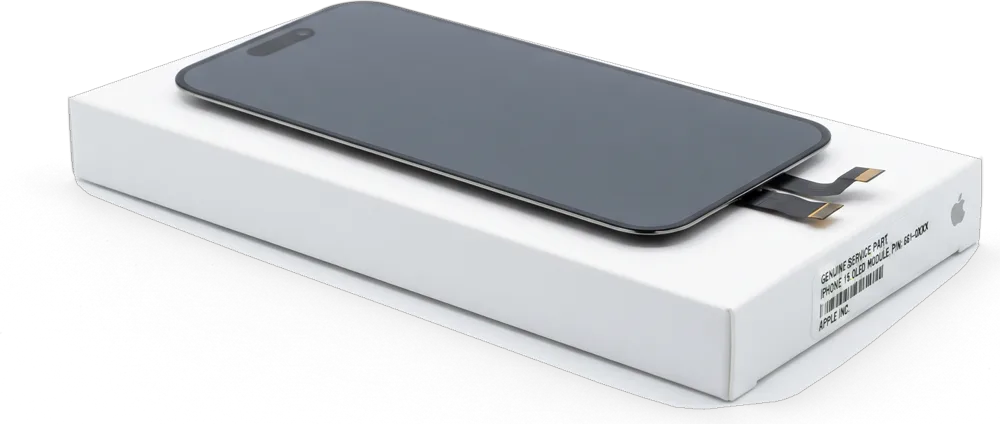
An engineer replies on WhatsApp within 5 minutes and quotes a price from a photo, then the free 15-minute diagnostics in front of you confirms the fault before any work starts. From there the technician opens the device, lifts the old module, transfers the Home button and the front camera assembly, seats the new panel, and re-seals the frame with fresh adhesive so dust stays out. The new part is shown in factory packaging ahead of installation and the price, part, turnaround and warranty are fixed on the receipt in roughly 2 minutes, so nothing about the job changes once the handset is open. Ask to see the module first — comparing the connector and flex cable against your old one takes seconds and settles any doubt.
Waiting on site and the 40 minute turnaround
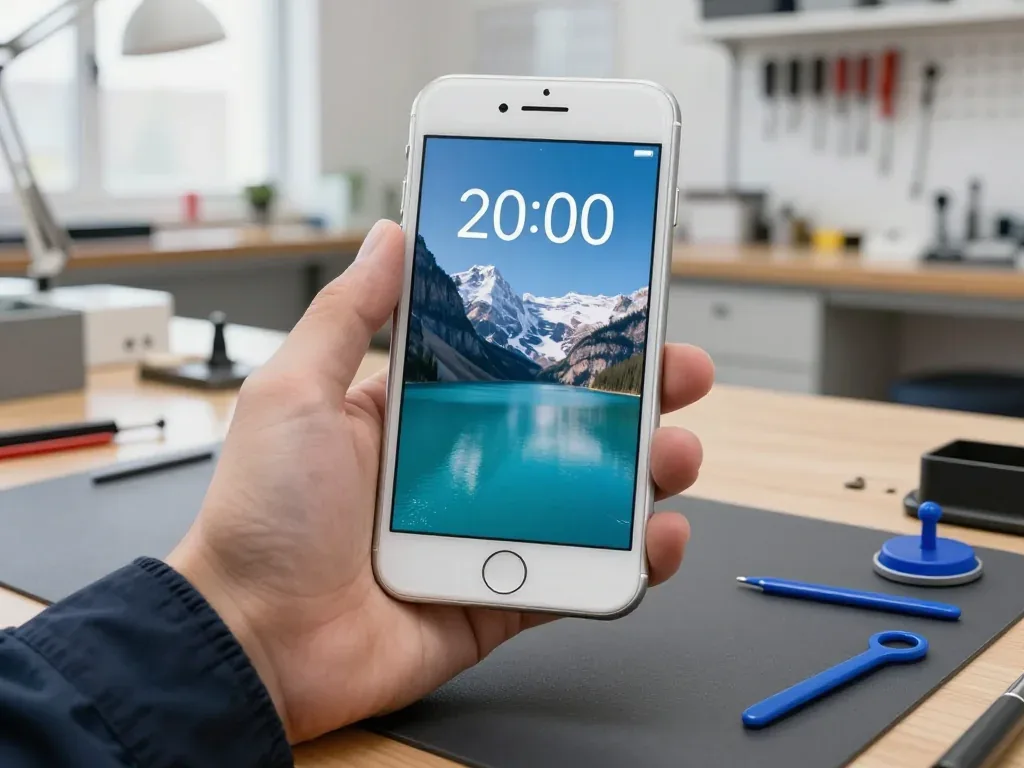
A screen replacement takes around 40 minutes, and 72% of our repairs are finished while the customer waits in the lounge with coffee and Wi-Fi. The whole path from first contact to pickup usually lands under an hour, so booking a slot ahead of your visit is what keeps it that way on a busy Saturday. We work Mon–Fri 10:00–19:00 and Sat–Sun and holidays 11:00–18:00, and if you cannot come in, a courier can be called to collect the device. The iPhone 6s Plus display replacement that Astana owners book most often is the same 40 minute task either way. Message ahead on a weekend morning — that is when the queue builds, and a confirmed slot moves you past it.
Handover, Checks and Warranty
A finished display swap is not the end of the visit: the specialist runs the checks with you, then hands over the paperwork and the removed panel.
The 32-point check you do together
After the repair we run a 32-function check that takes about 10 minutes, and you go through it with the technician so the digitizer response, brightness, cameras, microphones, speakers, charging and network are confirmed while you are still on site. The new panel gets its own pass, since the touch layer and the image both depend on the display connector sitting exactly where it should. Our specialist taps across the whole surface, checks for dead zones near the edges and compares the fresh screen against the old one under the same light. Testing together is what catches a loose display connector on the spot rather than a week later, so it is worth taking those ten minutes even when everything looks fine.
Receipt, warranty card and your old panel
Your handset comes back with the receipt, a warranty card covering the work up to 1 year, and the old display module in case you want to keep it. The paper states the part type, the turnaround and the coverage term, all fixed before installation rather than filled in afterwards. Ask for the pulled component if the technician does not hand it over first — some owners keep it as proof of what came out, others simply want to see that the cracked glass is really gone. A document listing the part type and the coverage term is what you show if anything acts up later, so check that the item on the paper matches the one that went in.
Summary: iPhone 6s Plus Display Replacement
A few facts decide how a 6s Plus screen job ends: what actually failed, which part goes in, and what paper trail you walk out with.
- Cracked glass means a full module: glass, digitizer and LCD are bonded as one unit, so the whole display assembly is swapped, not a single layer.
- A dead but intact screen needs a check: an unresponsive panel can trace to the display flex or the board, and a short diagnostic decides what actually gets replaced.
- Your Home button travels over: the original Touch ID scanner moves to the new module, and the display data is carried across with it.
- Most swaps finish in about 40 minutes: a 32-function check with the engineer confirms the result before you take the phone home.
- Keep the paperwork and the old panel: confirm the part type on the receipt matches what was installed, since that record carries the warranty.







 iPad
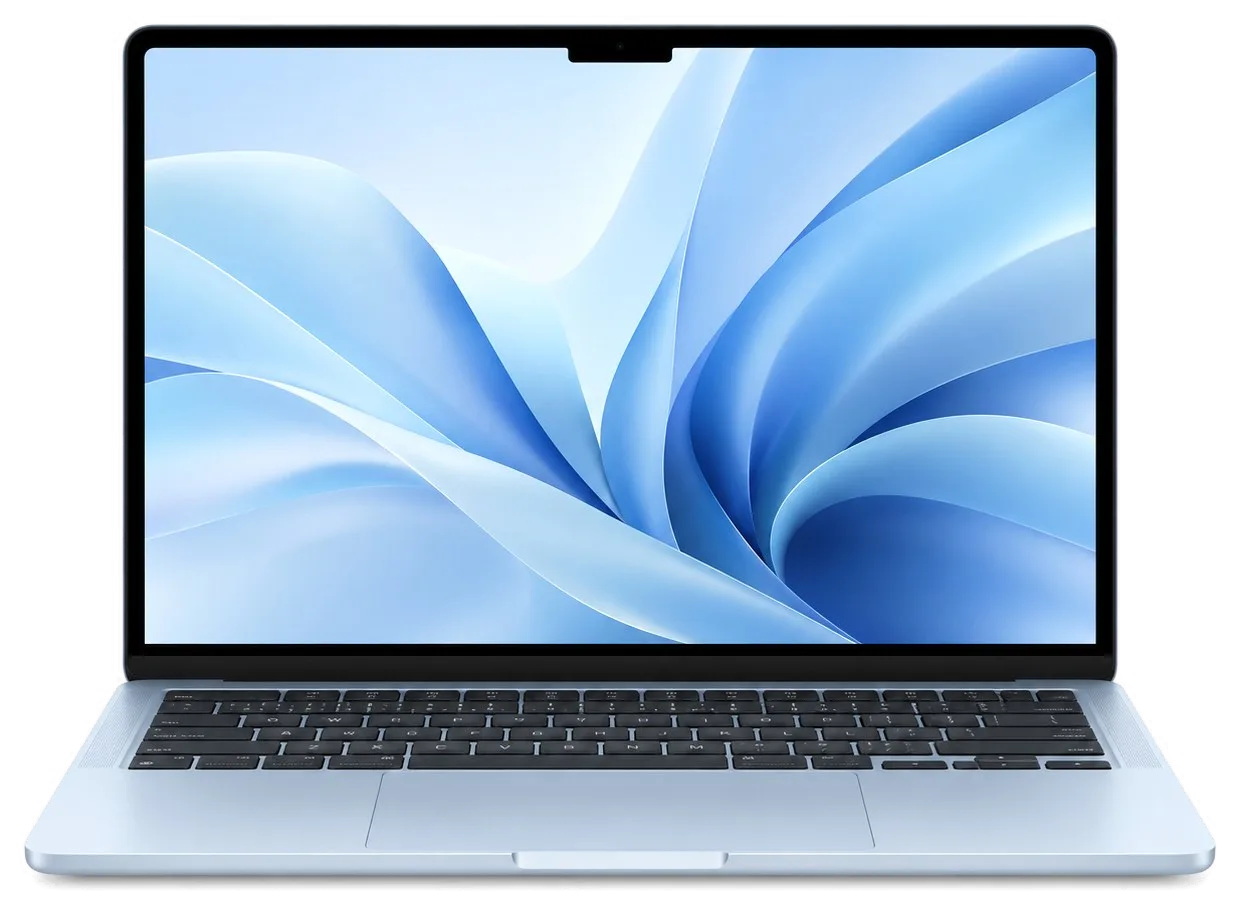 MacBook
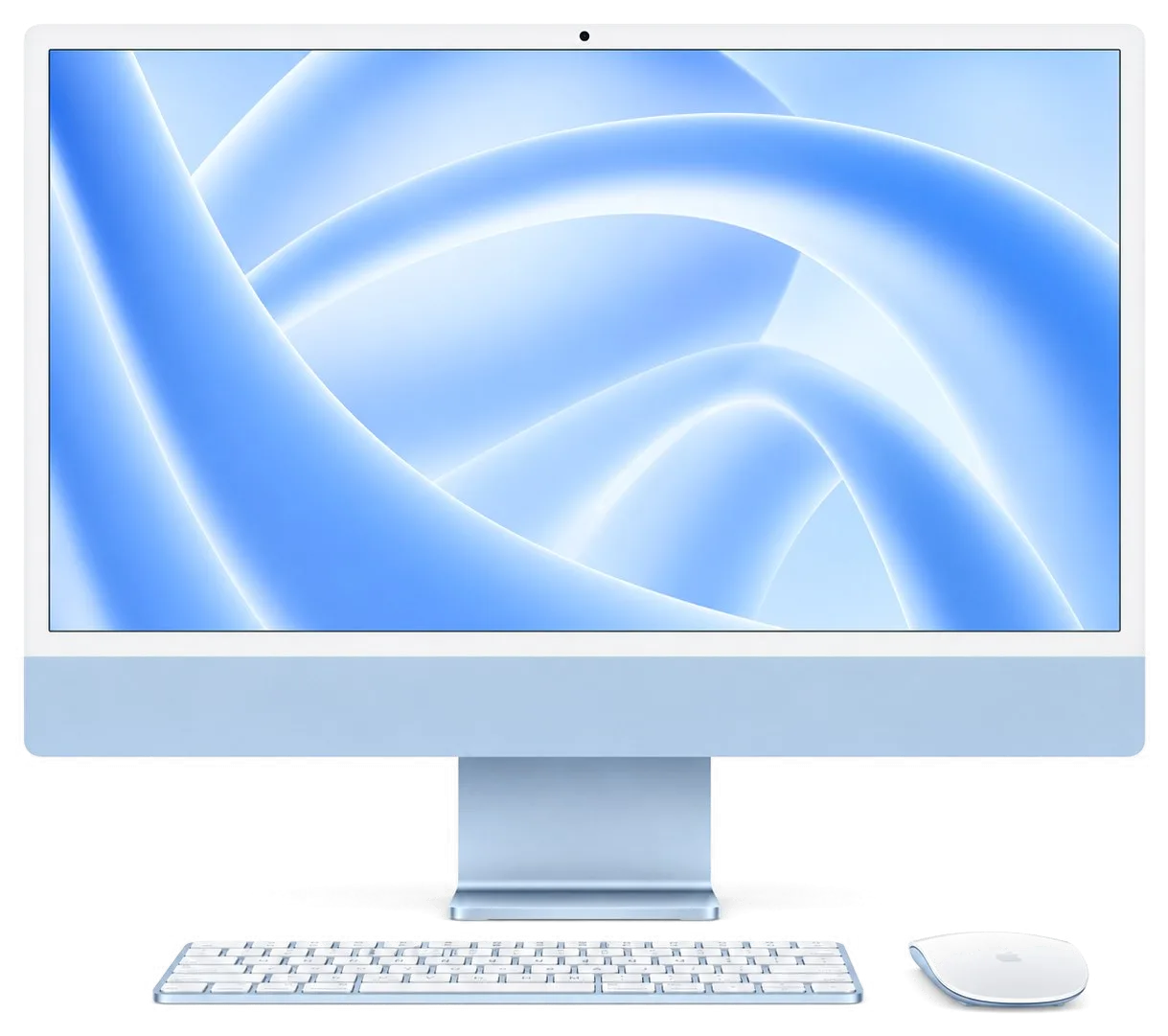 iMac
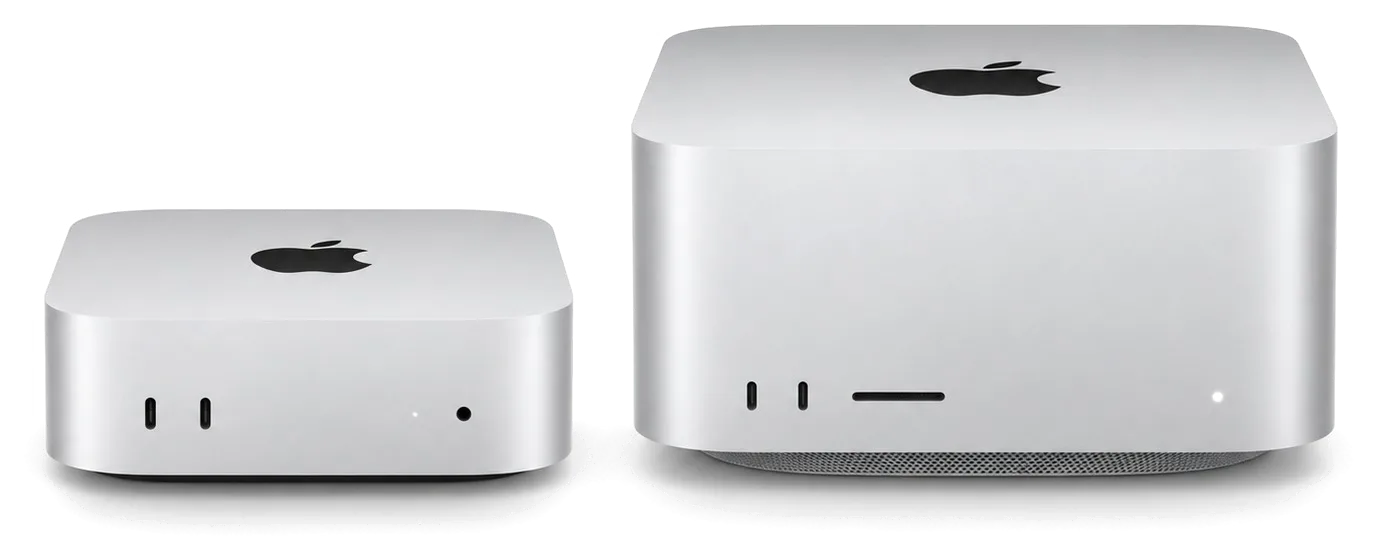 Mac mini and Studio
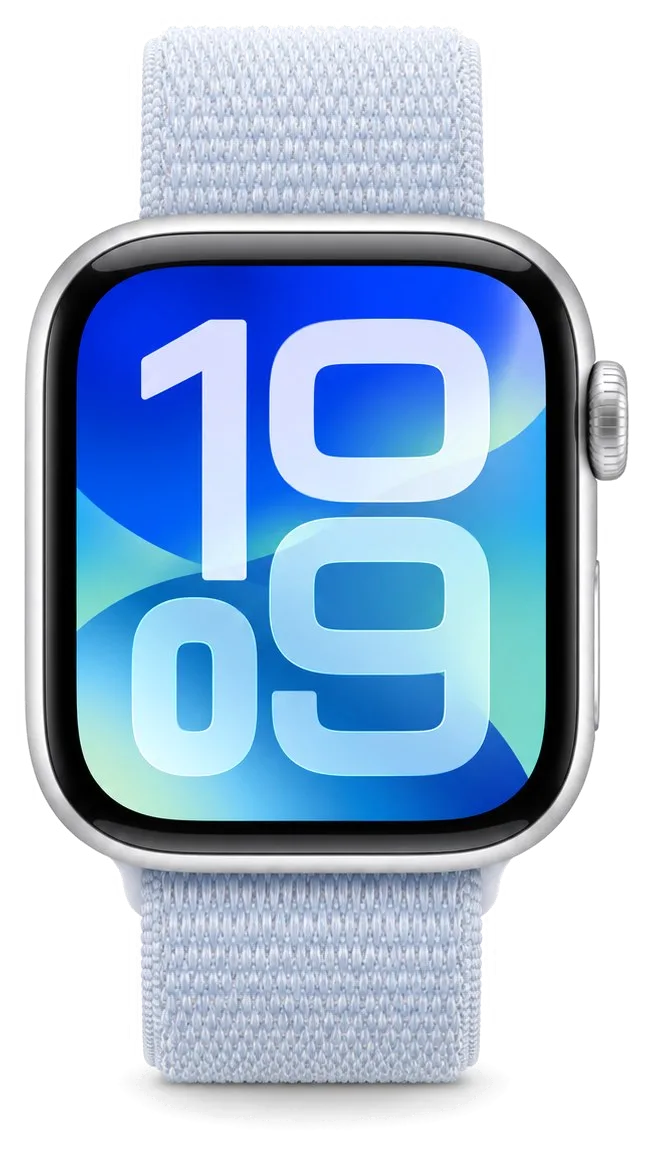 Apple Watch
 AirPods
 Apple Pencil
 Apple TV
 HomePod