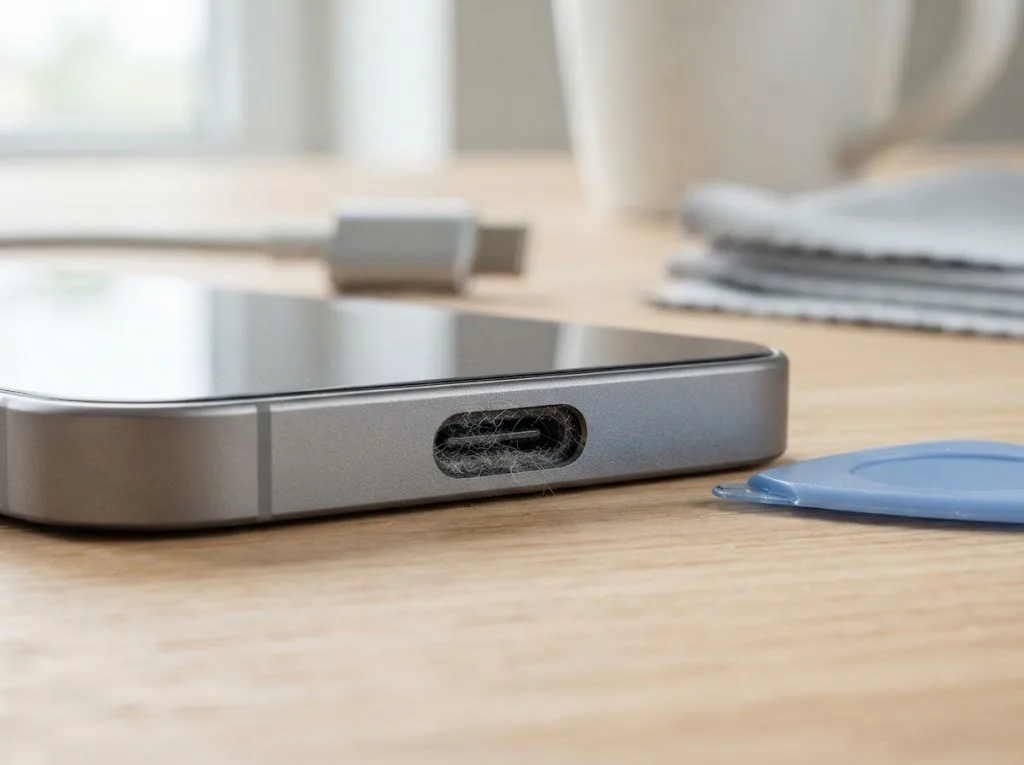
The 6s Plus carries a large, thin aluminium body that flexes more than later models, so housing work on this phone is usually about geometry rather than cosmetics. A bend changes how every surface sits.
Where the 6s Plus Frame Bends and How to Spot It
The 6s Plus flexes most often along the long sides and near the volume buttons, and a straight edge laid across the rear shows the gap immediately. At 7.3 mm thickness the metal shell gives little resistance to pressure from a back pocket or a tight case, so the mid-plate takes a permanent curve rather than springing back. Run a fingernail along each long edge and watch for a sliver of daylight under a ruler; a rock of two or three millimetres across the chassis is already a visible warp. Look too at the seam where the rear cover meets the body — an uneven line on one side points to the same problem. A chassis that is off by even a fraction will not let a new shell sit flush, so the warp has to be judged before any part is ordered.
Why a Bent Frame Rules Out a Simple Back Swap
We measure the chassis before quoting, because on a bent 6s Plus a new rear cover alone will leave gaps and stress the battery and board. A dented edge pinches the glass against the mid-plate, and the cover never seats flat no matter how carefully it is glued. On this model the metal also carries the mounting points for the logic board and battery, so a curve pulls those anchors out of line and transfers pressure to the cells underneath. Straightening such a shell weakens it at the bend, so a full housing swap is usually the more stable fix on this model. The bend is the deciding factor: once the chassis is measured and found out of true, a complete housing is the honest answer.
Back Panel or Full iPhone 6s Plus Housing Replacement Scope
On the 6s Plus the back panel is aluminium and forms one piece with the frame, so replacing "just the back" here means something different than on glass-backed models.
Matching the Damage to the Right Job
On the 6s Plus the back is part of the unibody, so a cracked or scuffed back usually means a full housing, while a broken camera lens is a separate small job. The rear panel, side rails and frame are machined as a single aluminium shell, which is why a deep gouge or a bend cannot be patched by swapping a plate. When the camera island glass is the only casualty, we leave the body alone and press in fresh lens glass. Our engineers confirm the chassis is true before quoting either route, and the iPhone 6s Plus housing replacement Astana owners book most often covers the whole shell rather than one panel. If only the camera island is smashed and the chassis is true, replacing the lens glass keeps the original body and its factory fit.
Comparing the Repair Options for a 6s Plus
Damage types mapped to scope and transfers| Damage on the 6s Plus | Work needed | What is transferred | What we check |
|---|
| Scuffed or cracked back panel | Full housing replacement | Board, battery, cameras, buttons | Fit, buttons, cameras, network |
|---|
| Bent or dented frame | Full housing replacement | All internal modules | Gaps, charging, signal |
|---|
| Broken camera lens only | Lens glass swap | Nothing, body stays | Camera focus and flash |
|---|
| Loose back with swelling | Housing plus battery review | All modules | Battery health, fit |
|---|
How We Move Your Parts Into the New iPhone 6s Plus Housing Replacement
A 6s Plus housing replacement is a rebuild, not a skin change: the logic board, battery, cameras and button flexes travel into the new frame instead of staying put. Here is how that transfer runs in our hands.
From WhatsApp Photo to a Fixed Receipt
We quote from a WhatsApp photo within 5 minutes, then fix the price, part, turnaround and warranty on the receipt before any screw comes out. An engineer replies with a figure from the picture, and the free diagnostics slot follows in front of you — 15 minutes, even if you walk away without a repair. The housing arrives in factory packaging and we open it for inspection before installation, so you see the part you are paying for, original or aftermarket. Writing the scope down takes 2 minutes and settles the bent chassis question in advance. A written scope protects both sides, because a chassis flaw found mid-job is agreed before work starts rather than argued over at pickup.
The Rebuild Itself and How Long You Wait
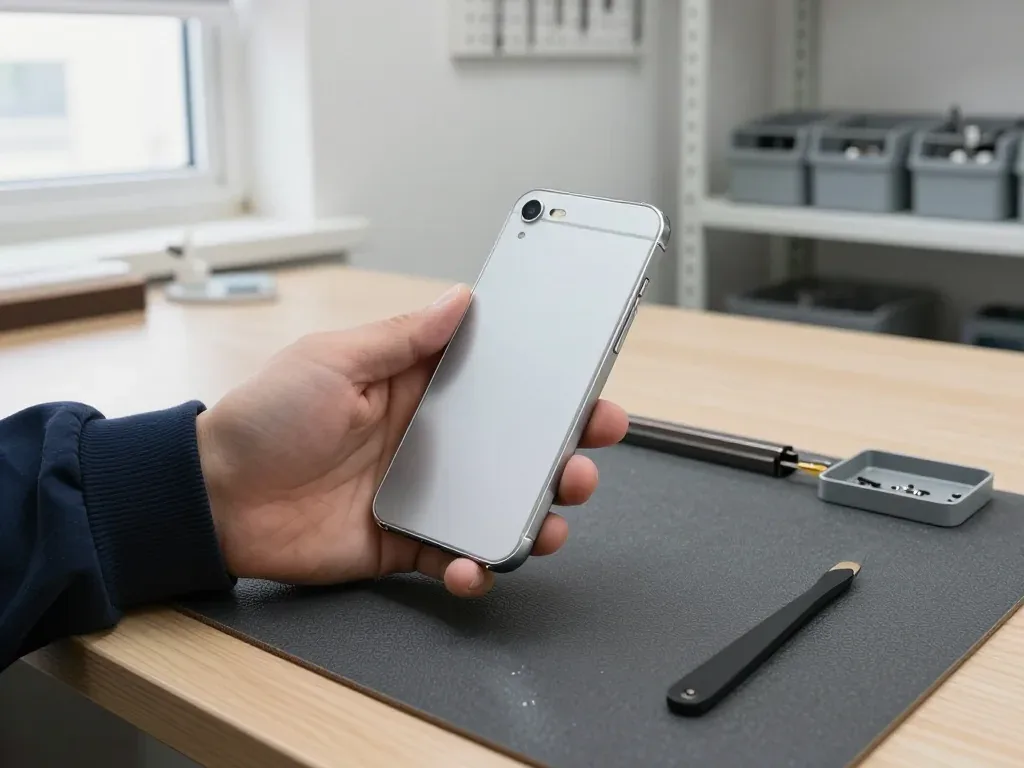
We show the new housing in factory packaging, move the board, battery, cameras and button flexes across, then reseal the body; most jobs finish while you wait. The 6s Plus carries more screws and flexes than a compact iPhone, so the transfer runs past a 20–40 minute screen swap even though it looks simpler. Our technicians work as a direct contractor with their own workshop, not an aggregator passing the device down a chain. 72% of repairs are completed while the customer sits in the waiting area with coffee and Wi-Fi, and the whole route from first message to pickup usually lands under an hour. The 6s Plus has more screws and flexes than a small iPhone, so the rebuild takes longer than a screen swap even though it looks simpler.
What We Check After the Housing Is Rebuilt
A rebuilt body only behaves like a new one when every node sits in place and works, so we run the check against a list together with you before the device leaves the bench.
The Functions We Test Together With You
We run through 32 functions in about 10 minutes, covering Touch ID, both cameras, microphones, speakers, charging, network and every button. The engineer hands the handset to you open-panel first and walks the checklist with you: you press the home button yourself, shoot a test photo on the rear and front lens, record a voice note, play it back through the earpiece and the loudspeaker, plug in a cable to watch the charge indicator, and toggle Wi-Fi, Bluetooth and cellular. The physical keys get pressed one by one — power, volume up and down, the mute switch — because a misaligned housing can leave the mute lever stiff or dead. Touch ID on the 6s Plus sits on a flex that is easy to pinch during a rebuild, so testing it first catches a problem while the unit is still open.
What Happens to Water Resistance After a Rebuild
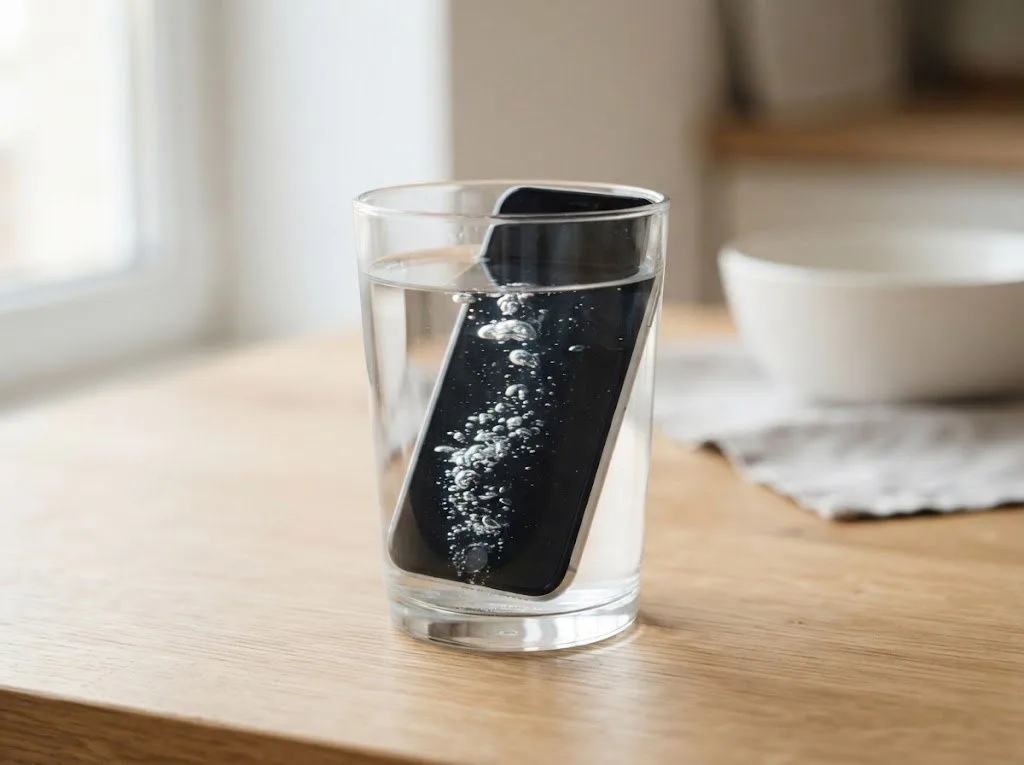
The 6s Plus was never rated for deep water, and once the body is opened the factory seal is gone even after fresh adhesive. Apple's original gasket is a compression fit applied at the plant; a workshop rebuild uses adhesive strips or liquid glue along the same channel, and the result depends on how evenly the frame closes. A bent or twisted chassis — the very reason most housings get swapped — leaves a hairline gap that no glue fully closes. The speaker grille, the SIM tray opening and the mute switch cutout are the three spots where moisture finds its way in first. Treat the handset as splash-resistant at best after a rebuild, and keep it away from pools and heavy rain rather than trusting the old rating.
Original or Aftermarket Housing and How the Finish Holds
A 6s Plus body comes in original and aftermarket versions, and the difference rarely shows on day one — it appears in tone, gap fit and coating wear over months of use.
How Original and Aftermarket Housings Differ
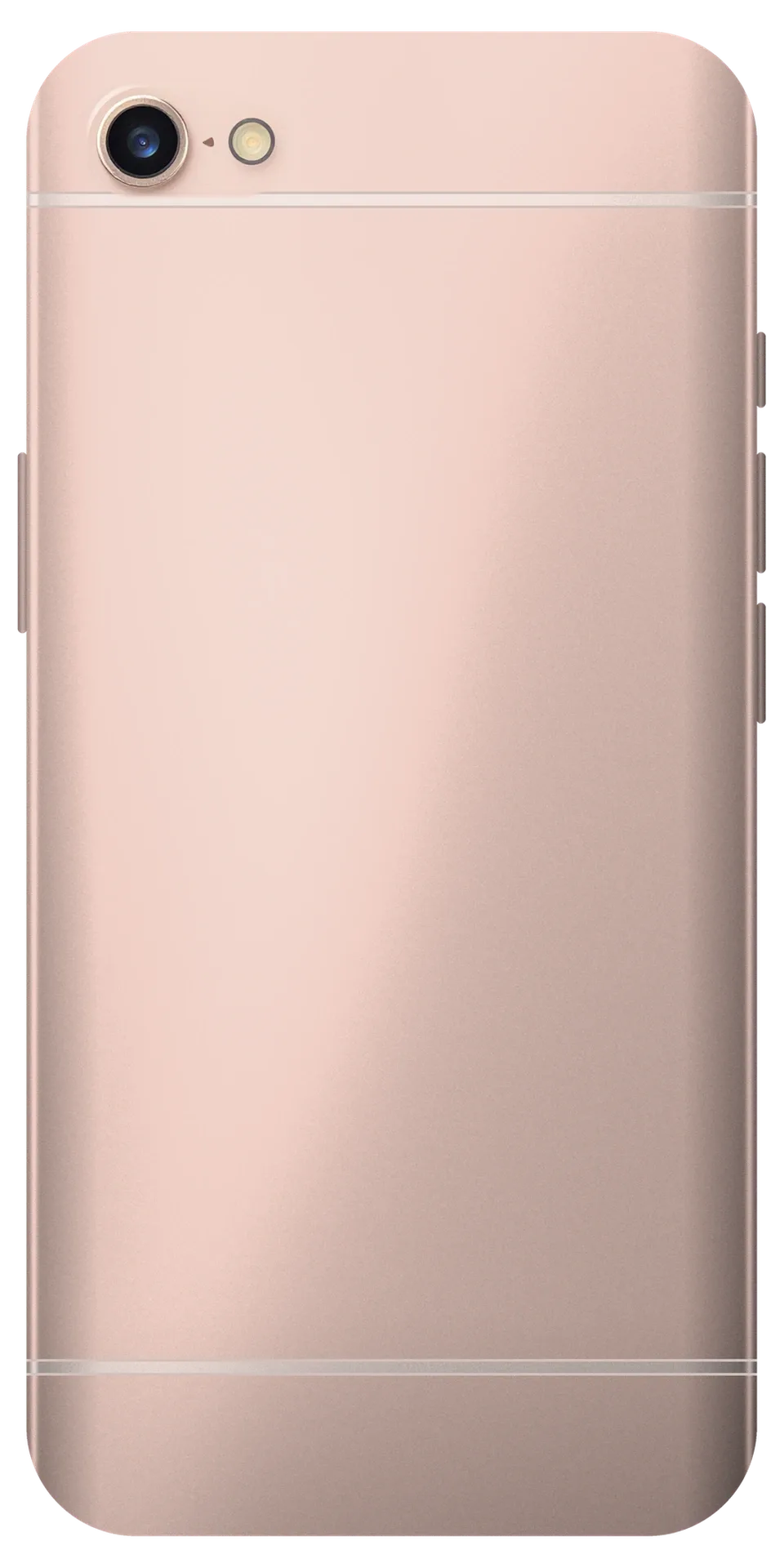
An original housing matches the factory shade and gap tolerances, while an aftermarket one can differ slightly in tone and how the buttons sit. On this model the anodised aluminium is thin, so a copy often reads a shade warmer or cooler than the panel it replaces, and the antenna lines may sit a fraction off. We show the new part in factory packaging before installation, so you see the actual colour and finish, not a stock photo. On a rose gold or space grey 6s Plus the colour shift is the giveaway, so compare the new body against your old one in daylight before agreeing — under shop lighting most aftermarket tones pass for factory.
Side by Side on Fit, Colour and Durability
What separates the two housing types on this model| Parameter | Original housing | Aftermarket housing |
|---|
| Colour match | Factory shade | Close, may differ in tone |
|---|
| Gap fit | Tight, factory tolerance | Usually good, check buttons |
|---|
| Finish durability | Holds over years | May wear faster |
|---|
| Button feel | As from factory | Verify before handover |
|---|
Summary: iPhone 6s Plus Housing Replacement
A few practical points decide whether a 6s Plus housing job is worth doing and what to expect once it is finished. Here is what matters most when you weigh up the work.
- Back damage on the 6s Plus: the rear panel is bonded into the unibody, so most cracks and dents call for a full housing rather than a glass-only swap.
- Check the chassis first: a warped body will not let a new back sit flush, so any bend gets judged ahead of the rebuild.
- It is a full rebuild: the board, battery, cameras, buttons and display assembly all move across into the new frame.
- Testing at handover: Touch ID, both cameras, charging, network and every button are confirmed working while you watch.
- Sealing is reduced: once the body is opened, treat the phone as splash-resistant only and keep it away from sinks and rain.







 iPad
 MacBook
 iMac
 Mac mini and Studio
 Apple Watch
 AirPods
 Apple Pencil
 Apple TV
 HomePod