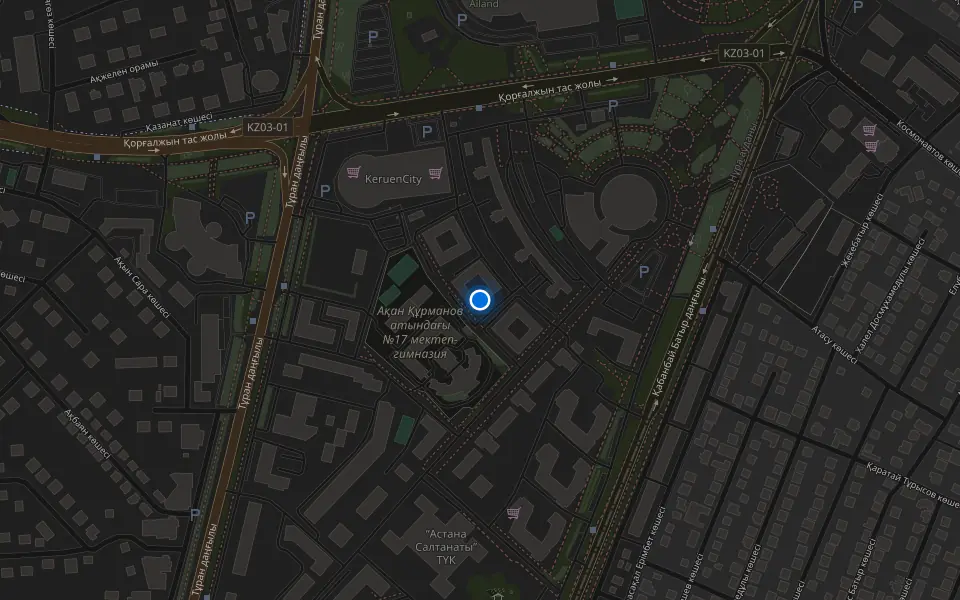
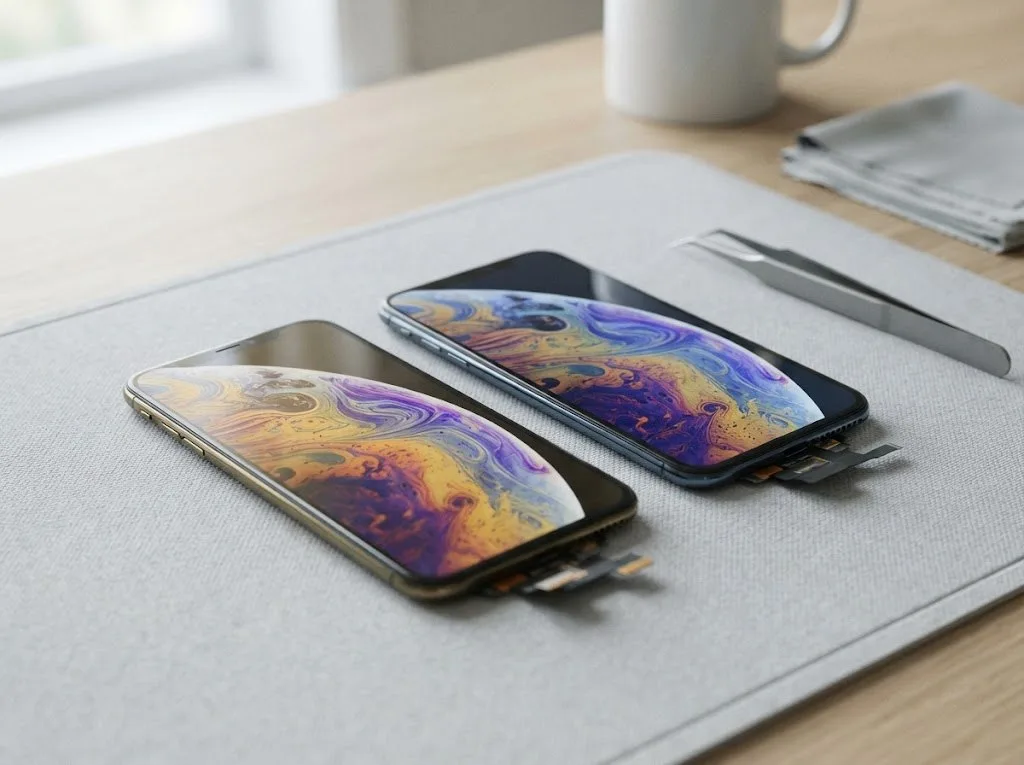
The XS carries an OLED assembly where the front pane, sensor and panel are bonded together, so most visible damage means the whole unit rather than the outer pane alone. Here are the failures we meet most often.
Cracked Glass, Lines or Dead Touch on an OLED Module
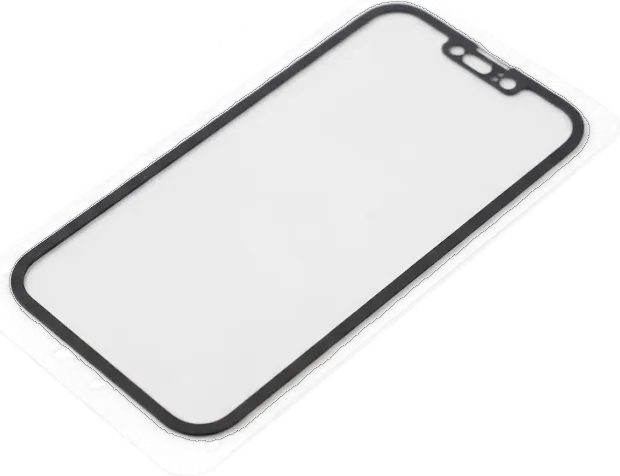
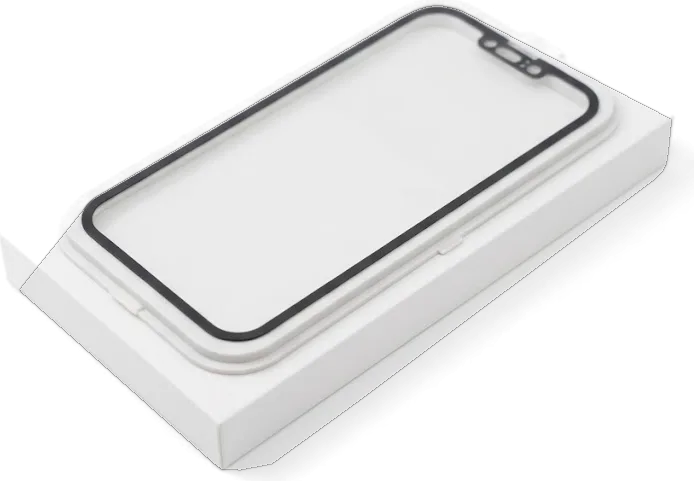
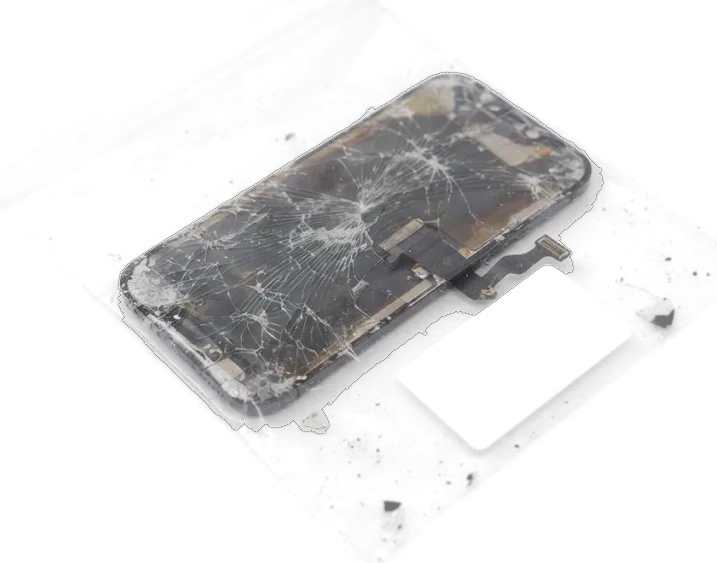
On the XS the front pane, sensor and OLED matrix are bonded into a single unit, so a crack almost always means replacing the whole display rather than the outer covering alone. A hairline fracture near the corner lets dust and moisture reach the pixels, and within weeks green or pink vertical streaks appear across the panel. Dead touch looks different: the image stays sharp while the top strip or the edges stop responding, and false taps fire on their own during typing. A dark blotch growing from one point is usually pressure damage to the light-emitting layer, not dirt underneath. There is no separate covering to swap here, so a glass-only fix is not a real option for this model. A perfect image that ignores touches near the edges points to the touch layer, not the matrix, and that changes what the engineer inspects first.
When the Screen Looks Fine but Stays Black or Flickers
We start with free diagnostics in front of you for 15 minutes, because a black or flickering XS is sometimes a loose display flex or a board fault rather than a broken matrix. The engineer opens the device, reseats the display connector and checks the flex for corrosion, so you see the actual cause on the bench instead of guessing from the outside. A panel that flashes bright then dims, or one that lights up only when you press the frame, often traces back to a connector that lost contact after a drop. Liquid is the harder case: water reaches the assembly through the earpiece mesh and leaves pale spots that spread slowly while touch response drifts. After liquid contact the diagnosis can take up to two days, so a phone that flickers after a spill is worth checking before any part is ordered.
Original OLED or Aftermarket Part for Your XS
The XS shipped with an OLED panel, and the two options differ in more than brightness, so the choice is worth making with the engineer before installation.
How Original and Aftermarket XS Panels Differ
Part types compared by technology, black level and fit| Option | Technology | Black level | Fit |
|---|
| Original module | OLED | True black | Factory |
|---|
| Aftermarket OLED | OLED | Near black | Close to factory |
|---|
| Aftermarket LCD copy | LCD | Dark grey | Thicker |
|---|
Choosing a Part Without Regrets
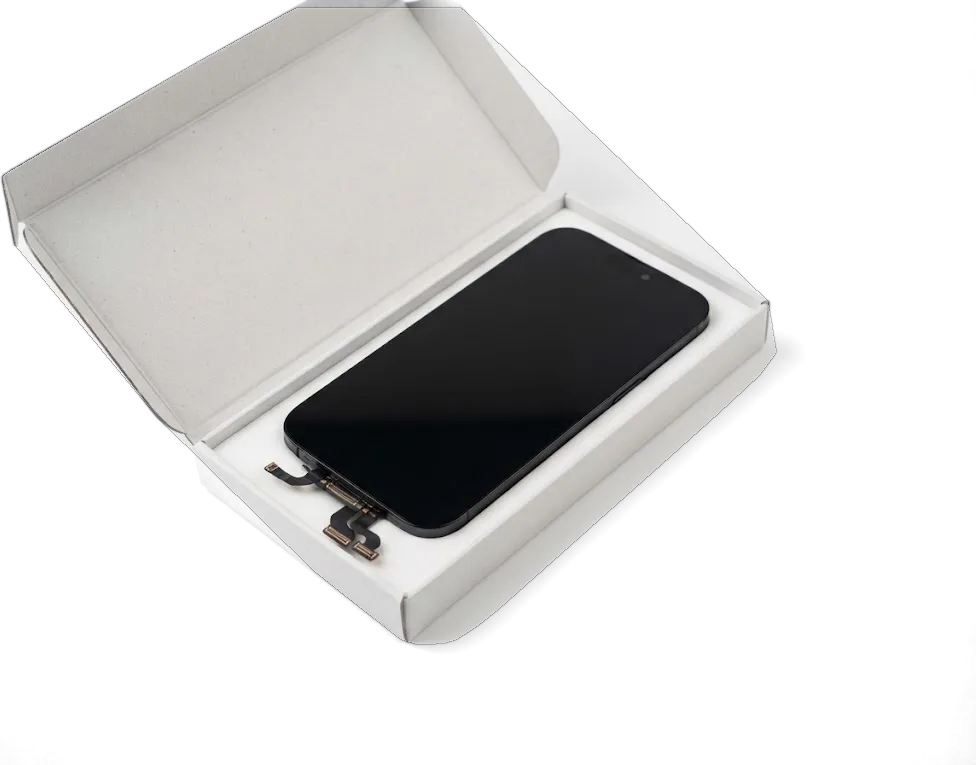
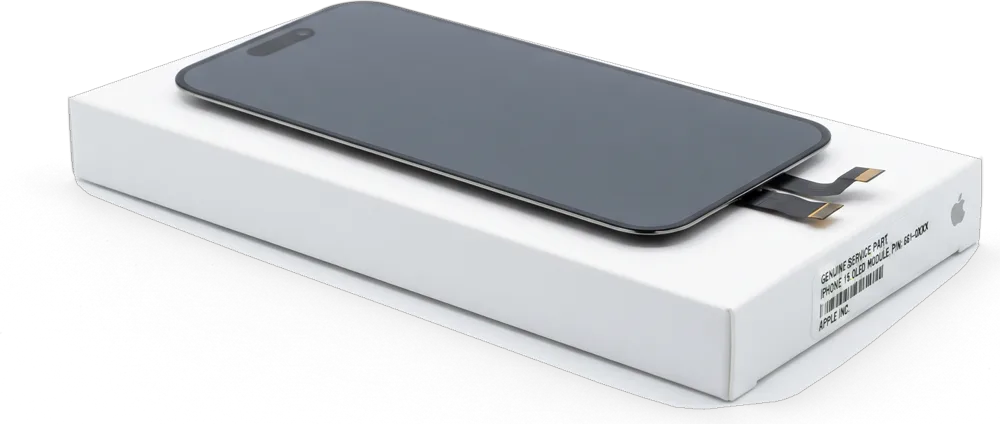
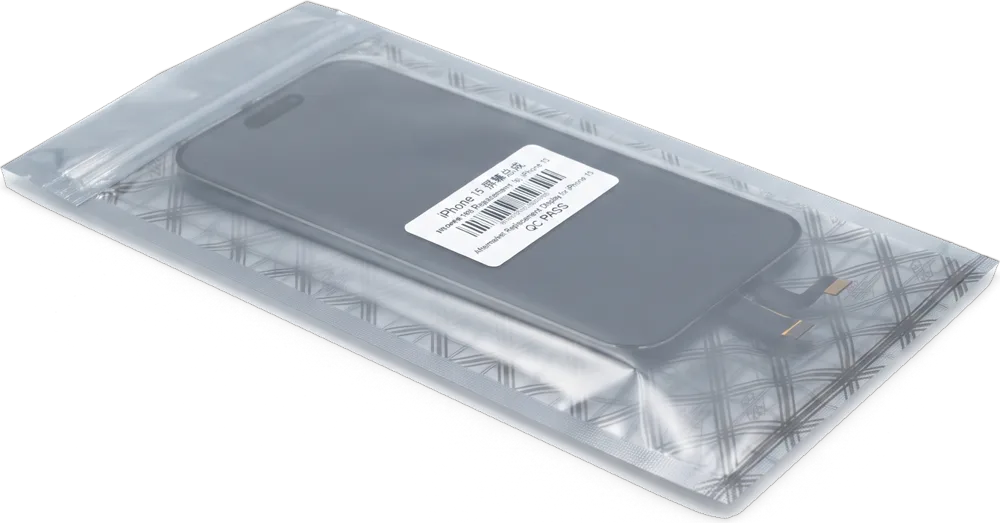
We show the new component in its factory packaging before installation and write the chosen type on the receipt, so there is no swap between what you agreed and what goes in. Our engineer opens the box in front of you, names the component type and confirms it matches the line on the receipt. An original module keeps the factory behaviour: true black, the same brightness curve and the colour profile the phone was calibrated for. A thicker aftermarket module can sit slightly proud of the thin XS chassis, so ask to see the sample fitted before you commit. Because the frame is shallow, that small gap is the detail most people notice first. If you plan to keep the device for years, the original holds its colour and brightness longer, while a short-term backup phone is usually fine with an aftermarket one.
What Survives an iPhone XS Display Replacement
The XS has no Home button, so the components that matter sit on the top flex, and how they are handled decides whether Face ID and True Tone keep working.
Face ID, True Tone and the Top Flex
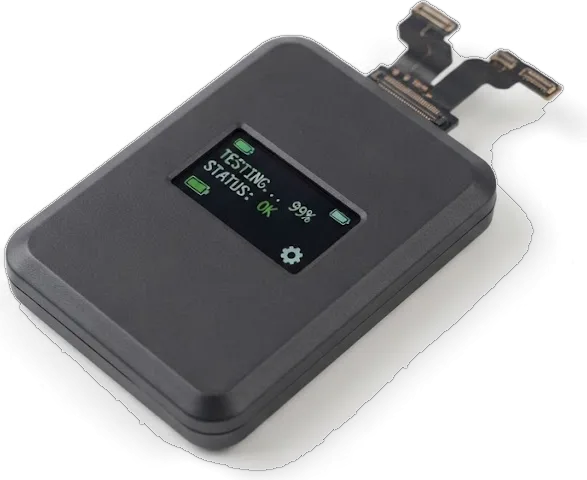
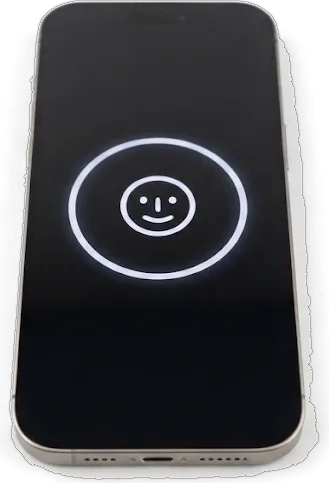
We transfer the original top flex with its speaker and proximity sensor onto the new module, and True Tone only works if the data from the original display is carried over too. That small cable holds the earpiece, the ambient light reader and the chip that tells the phone when it is near your head. On the XS these sit apart from the OLED panel, so a careful technician lifts the cable from the old module and seats it on the replacement before sealing the frame. The proximity chip feeds biometric unlocking, so a module fitted without it can leave the phone opening only by passcode until the cable is moved across. When you book an iPhone XS display replacement in Astana, the technician handles this flex transfer as part of the job.
The iOS Part Notification and What It Means
On the XS, iOS can show a notice in Settings that the display is not a verified component, and this appears with some aftermarket panels even when everything works. The warning lives under Settings, then General, then About, where an entry marks the screen as unidentified. It is triggered by a missing pairing between the panel and the logic board, not by poor image quality, so colours, touch and brightness behave normally. The notice is informational and does not disable touch or biometric unlocking, but it stays in the device history, which matters if you plan to resell the phone. If resale value is on your mind, tell the technician before the work starts — the component you choose on the receipt is what determines whether that line appears.
How the Replacement Runs While You Wait
The whole visit usually takes under an hour, and the screen work itself is about 40 minutes, most of it done with you in the waiting area.
From WhatsApp Photo to Fixed Receipt
You send a photo of the damage on WhatsApp, an engineer replies within 5 minutes with a price and a free slot, and the price, component, turnaround and warranty are fixed on the receipt in about 2 minutes before work starts. The engineer checks the device in front of you during a free 15-minute diagnostic and shows exactly what is broken, even if you decide not to repair. Payment is by Kaspi, card or cash, and a courier can be called if you cannot come in person. Fixing the terms on paper first means the figure you were quoted from the photo is the figure you pay, even if the engineer finds a second issue during disassembly.
Disassembly, Transfer and Resealing
The engineer opens the XS, disconnects the battery, moves the top flex and front camera onto the new module, fits it and reseals the chassis, with the screen itself taking around 40 minutes. The new component arrives in factory packaging and is shown to you before installation, so you can confirm it matches the option you picked. Most repairs are finished while the customer waits in the waiting area, which has coffee and Wi-Fi, and 72% of jobs here end exactly that way. Resealing the frame restores the dust and splash resistance the factory adhesive provided, which is why a module swap done without fresh adhesive leaves the phone more vulnerable to moisture.
Checking the Work and What You Take Home
The last step is a joint check of the phone with the engineer, followed by the paperwork and the removed component going home with you.
The 32-Point Check You Do Together
- Face ID: unlock and attention-aware features tested in front of you.
- True Tone: checked in Settings to confirm the display data carried over.
- Touch: swipes and taps along all four edges of the panel.
- Cameras and microphones: front and rear capture, plus voice recording.
- Speakers and charging: call audio, media playback and cable charging.
- Network: cellular signal and Wi-Fi confirmed before handover.
Receipt, Warranty Card and Your Old Part
The phone comes back with the receipt, a warranty card covering the work up to 1 year, and the old display in case you want to keep it. The paperwork repeats what was agreed before the repair: the component fitted, the turnaround and the warranty term, so nothing is settled by memory. Our engineers run the 32-point check in about 10 minutes and hand everything over in the same visit, and 72% of jobs finish while the customer waits in the waiting area. The card carries the same 1-year term for the work itself, and the removed piece travels in the box the new one arrived in. Keeping the original is useful if the handset is ever sold or traded in, since a buyer can see what came out and match it to the receipt.
Summary: iPhone XS Display Replacement
A display swap on this model comes down to five practical points that decide both the result and what you take home afterwards.
- Assembly, not glass: on the XS the front glass, touch layer and OLED matrix are bonded, so a crack means a full assembly swap.
- Component choice matters: an original OLED panel keeps true black and factory thickness, while LCD-type copies are thicker and greyer.
- Functions depend on transfer: Face ID and True Tone survive only when the top flex and display data are moved across.
- Time is short: the panel work runs about 40 minutes, and the whole visit usually finishes in under an hour.
- Paperwork protects you: a receipt fixing the component, turnaround and warranty, plus the old module, is the proof of what was done.







 iPad
 MacBook
 iMac
 Mac mini and Studio
 Apple Watch
 AirPods
 Apple Pencil
 Apple TV
 HomePod