U2 is the small component that talks to the cable and meters current into the battery; when it fails, the phone shows power problems that look like a dead port but are not.
What the U2 chip does and why it is not the main power IC
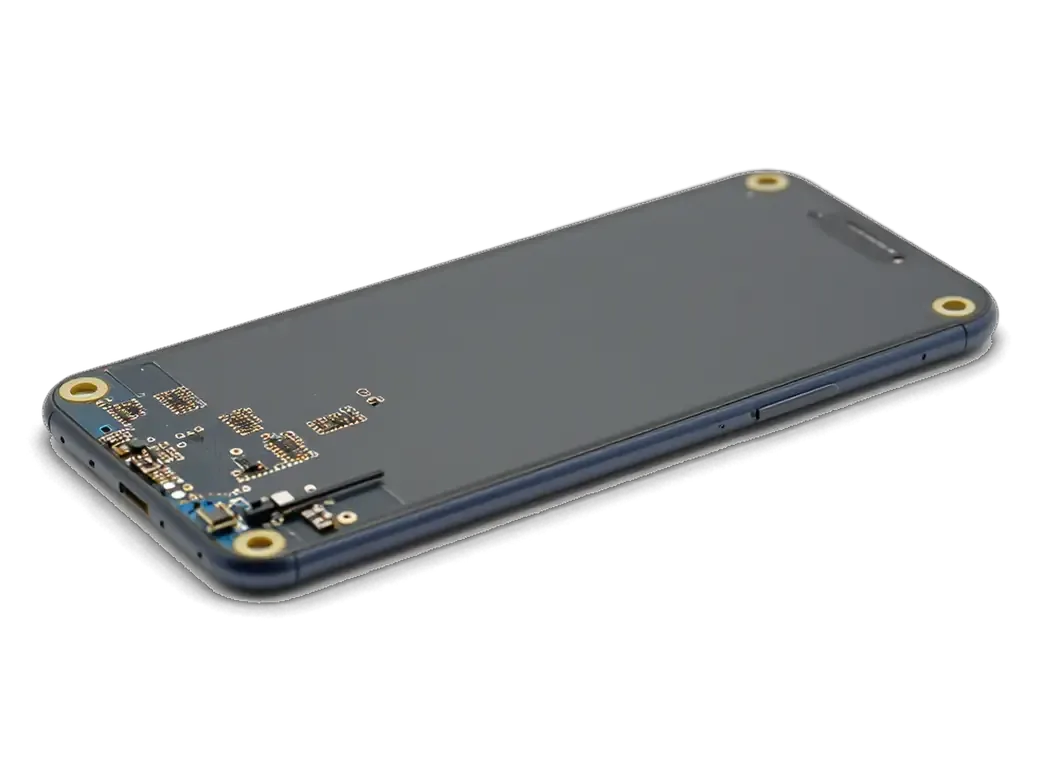
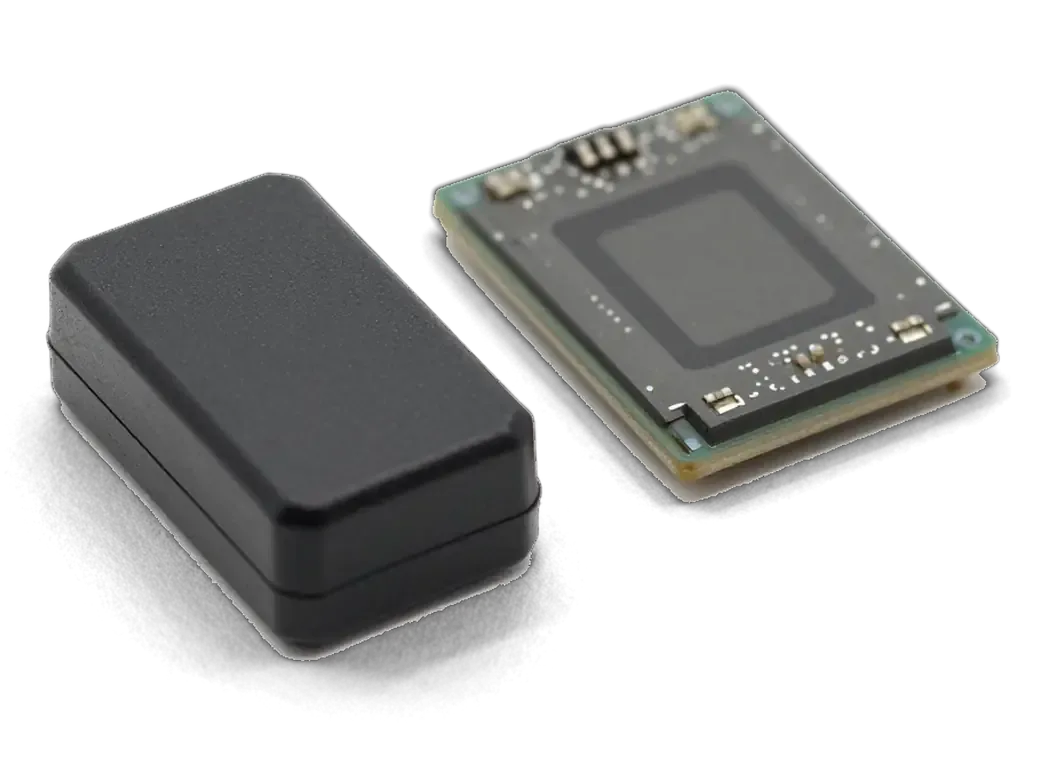
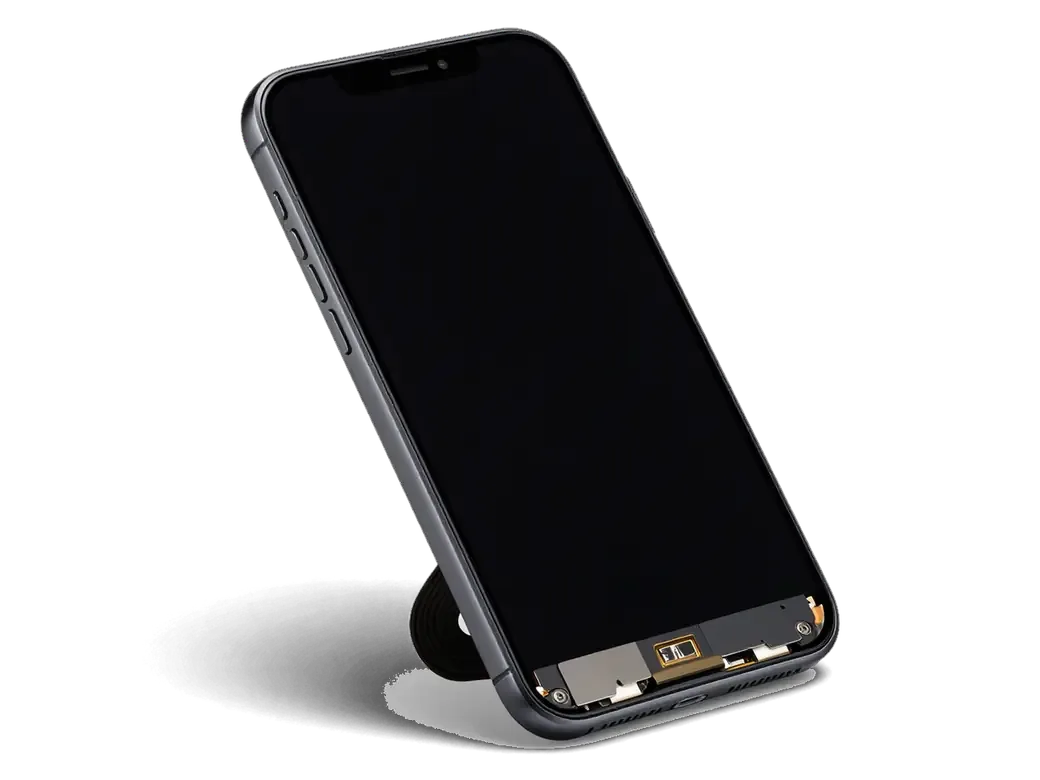
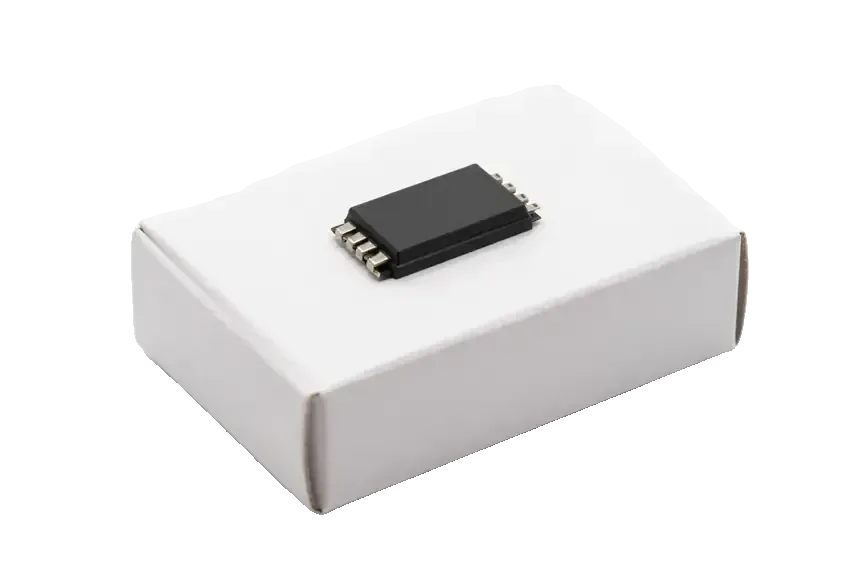
U2 (Tristar) is the controller on the iPhone X logic plate that recognises the Lightning connector and regulates current into the cell, while the main power IC (PMIC) distributes power across the whole handset. Tristar negotiates with the adapter, sets how much current the cell receives and reports the charge state to the system, so a fault here shows up as a percentage that stops moving or a plug the device refuses to acknowledge. The PMIC sits further upstream and feeds the processor, display and radios, so its failure takes the whole unit down. A handset that tops up slowly or rejects a known-good lead points at U2, but a unit that will not boot points at PMIC, so the symptom tells the engineer which component to inspect first.
Five symptoms owners describe before they book
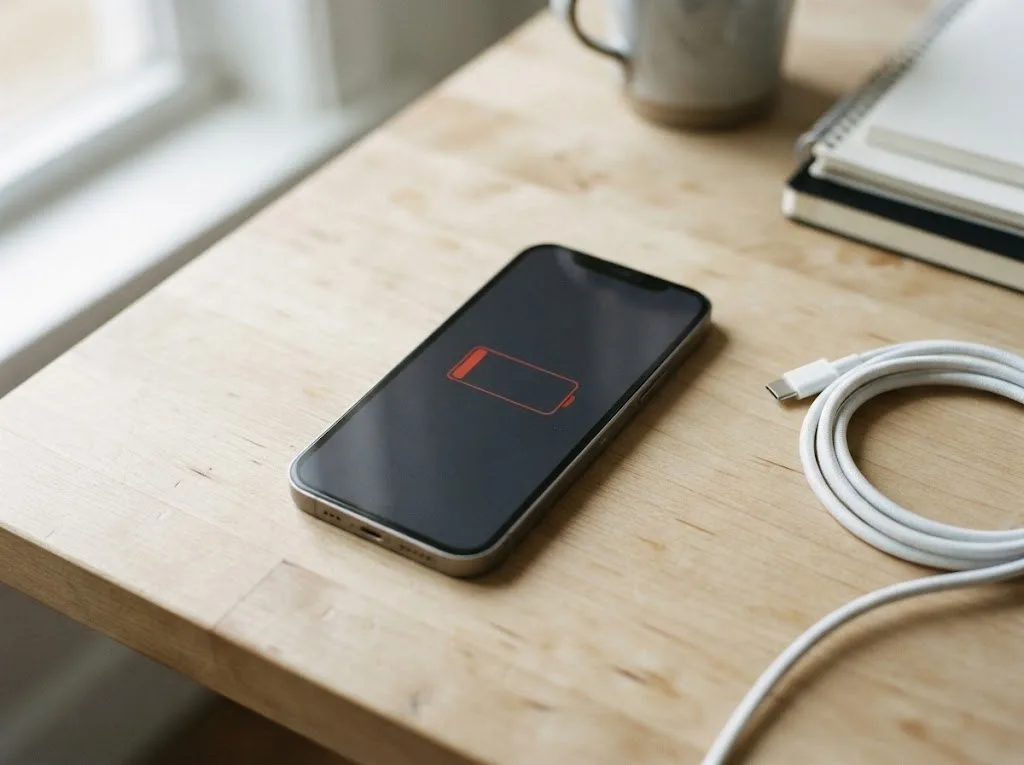
- No charging at all: the phone stays dark on a working adapter, and nothing changes after a lead swap.
- "Accessory not supported": the device detects the Lightning plug but refuses power or data from it.
- Frozen battery percentage: the indicator sticks at one number for hours while plugged in.
- Fast drain in standby: the cell loses charge overnight with the screen off and no apps running.
- Warmth near the bottom of the board: the lower edge heats up during charging even with no progress shown.
- Two or more together: a frozen percentage plus standby drain signals a failing chip more strongly than any single symptom.
Ruling out the cable, port and battery before touching the board
Before soldering, we prove the chip is guilty. A USB current tester, a known-good cable and a fresh battery remove cheap explanations first, so the microscope sees only cases that belong to it.
How we test current draw to isolate the fault
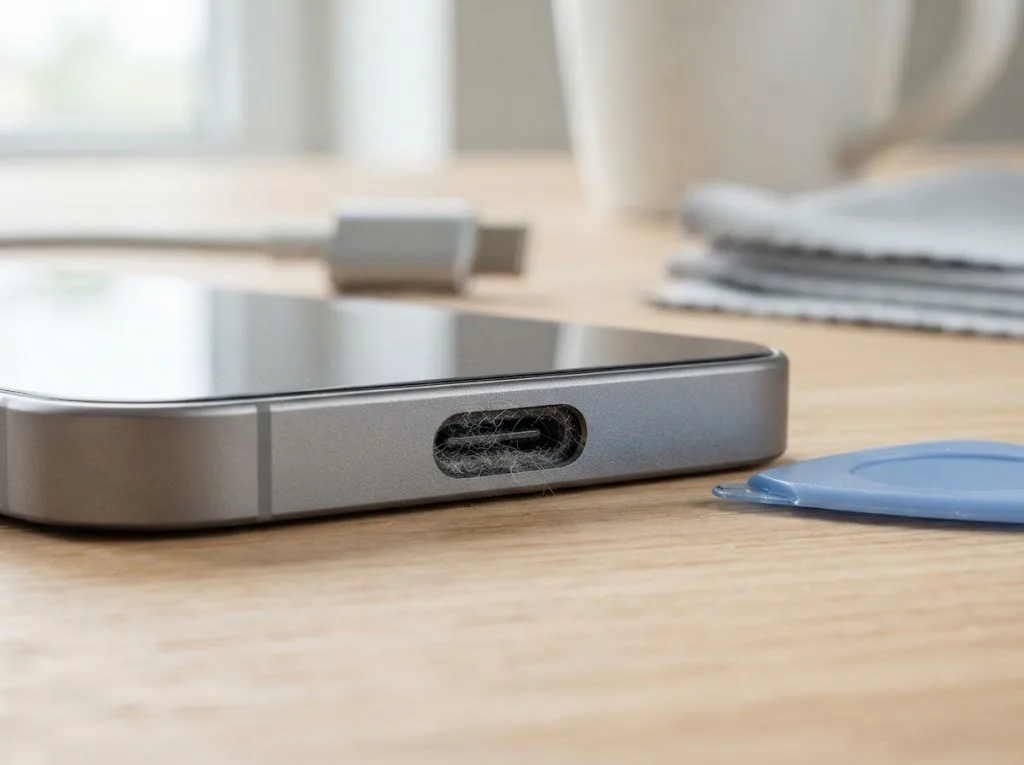
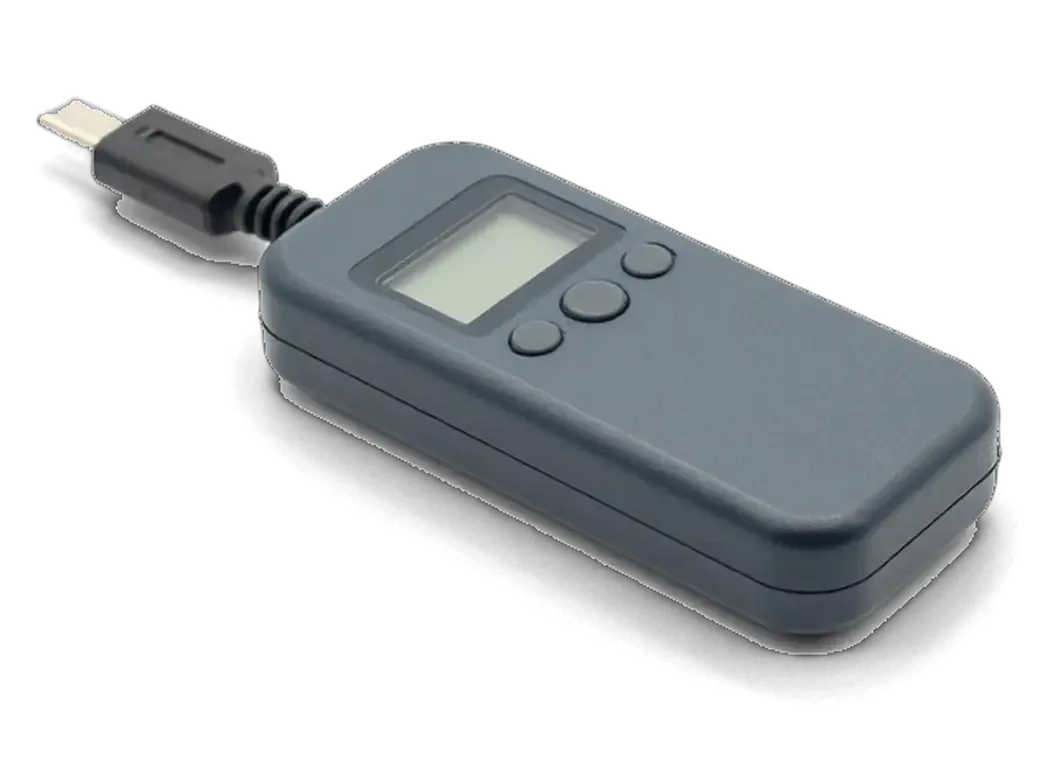
We plug the phone into a USB current tester with a known-good cable and read the draw, then repeat with a fresh battery, so a weak port or a tired cell is ruled out before we open the logic plate. A Lightning port packed with lint, a frayed cable or an ageing cell all mimic a dead charging component, and owners often arrive after swapping the lower flex without a change. Free diagnostics take 15 minutes in front of you, and we show the reading on the tester screen as it moves. A healthy iPhone X pulls a steady, rising current; a flat or jittery reading with a good cable and battery sends the case to the microscope, not a port swap.
When the fault is the audio IC or the main power IC instead
On the X the usual mix-up is between U2 and the main power IC, while the audio IC confusion belongs mostly to iPhone 7 and 7 Plus, where a greyed-out speaker in calls points away from charging. U2 manages charging current alone, so a phone that charges but stays silent in calls is not a U2 case. The main power IC feeds the whole logic plate, and its failure shows as a device that will not boot at all, not one that refuses a cable. A technician who reballs U2 on a no-boot phone charges for the wrong job. If charging is fine but calls have no sound, the logic plate still needs work, just not on U2, so matching symptom to component saves the customer a pointless reball.
Why the chip burns out and how to protect the new one
Most failed U2 units did not fail on their own; the accessories people use every day are the usual suspects, and the same habits can kill a fresh part.
The chargers and habits that damage U2
- Cheap wall adapters: non-original bricks without stable regulation push voltage spikes into the U2 on the first surge.
- Power banks: a pack that behaves on one phone can spike on another; risk sits in regulation, not price.
- Car chargers: the 12V socket fluctuates with every engine start, and the U2 absorbs those jumps first.
- Worn Lightning cables: a frayed shield or wobbling connector breaks contact mid-charge, sending unstable current through the line.
- Liquid and oxidation: sweat, rain or a spilled drink leaves residue on the pins; corrosion slowly shorts the path.
- Charging in a hot cabin: heat plus a weak brick turns slow wear into a burnt component.
Charging habits that keep the replacement alive
After we fit a new part we tell owners to charge from a stable adapter, avoid a hot cabin and stop using a cable whose connector wobbles, since those three habits cover most repeat failures we see. A power bank left overnight in a cold car, a shared car brick, a frayed cable kept "for emergencies" — each puts the same spike back into the fresh U2. Our engineers test the charging path before the new part goes in, and we back the work with a warranty up to 1 year. A phone already warm from gaming or direct sun stresses the new component more than a long overnight charge on a cool, stable brick.
How iPhone X power controller replacement works on the two-layer board
The iPhone X logic plate is a sandwich of two layers, so reaching U2 means separating and rejoining them; this makes the X different from an iPhone 6 or 7.
Why the sandwich board makes this job harder
On iPhone X the U2 chip sits on a two-layer substrate that has to be split and reflowed back together, while on iPhone 6 through 7 Plus the same chip sits on a single layer and the job is simpler. Each half carries Face ID and True Tone circuitry, and the joints between them are fine-pitch pads that tolerate almost no sideways movement. We separate the sandwich on a preheater with controlled bottom heat, lift the parts apart under the microscope, reball U2 with a stencil and flux, then align and reflow everything into one piece. A careless split shears pads and can cost Face ID or True Tone for good, so we work slowly under magnification. If you need iPhone X power controller replacement in Astana, the sandwich design is exactly why this job takes patience and magnification.
The steps from intake to pickup
Four stages of the board repair, from first message to pickup| Stage | What happens | Time |
|---|
| Intake | Photo on WhatsApp, price and slot quoted | Reply within 5 minutes |
|---|
| Diagnostics | Current test, board inspected under microscope | 15 minutes, free |
|---|
| Board work | Layers separated, U2 reballed, layers rejoined | 1–3 days |
|---|
| Handover | 32-function check with you, receipt and old part | About 10 minutes |
|---|
What we check after the repair and what the warranty covers
A finished solder joint is not the end of the job; the handset has to charge, hold charge and pass the functions the logic plate touches before it goes back to you.
The checks that prove the fix
After the repair we run a 32-function check of about 10 minutes covering charging, cable recognition, standby drain, Face ID, True Tone, cameras, microphones, speakers and network. Cable recognition confirms the device reads the Lightning connector as a genuine accessory rather than rejecting it mid-charge, while the standby test measures current draw with the screen off. Face ID and True Tone sit on the same section of the logic plate, so a sloppy joint there shows up immediately as a dead sensor or washed-out display. The engineer walks through each result with you and you hold the unit before signing off. Standby drain is the check owners rarely think of but the one that catches a component that charges yet leaks current overnight.
Your data, the paperwork and getting the phone to us
The repair does not touch your data, and the phone comes back with the receipt, warranty card and the old part, backed by a warranty up to 1 year and payment by Kaspi, card or cash. Your photos, messages and accounts stay on the device — a power controller swap is a micro-soldering job and we never wipe the storage. The receipt lists the part, the turnaround and the warranty term, fixed before work starts and handed back with the handset. If you cannot come in, a courier can be called to collect and return it, and an engineer replies on WhatsApp within 5 minutes to quote from a photo. Keeping the old part lets a future engineer see exactly what was replaced if another fault appears later.
Summary: iPhone X Power Controller Replacement
The job comes down to a few points: finding the right part, testing before soldering, handling the two-layer design with care, and watching the habits that caused the failure.
- U2 is the charging component: not the main power IC, so a frozen battery percentage or standby drain points at it more often than a dead port.
- Test before you solder: a current draw test with a known-good cable and battery comes first, so the logic plate is opened only when that component is truly at fault.
- The two-layer design raises the stakes: the sandwich makes this harder than on a 6 or 7 Plus, and Face ID and True Tone need verifying once rejoined.
- Cheap adapters and worn cables are the usual cause: power banks and budget chargers can burn a fresh part as easily as the old one.
- Plan for time away: micro-soldering takes 1–3 days, so arrange the repair around the phone being gone.







 iPad
 MacBook
 iMac
 Mac mini and Studio
 Apple Watch
 AirPods
 Apple Pencil
 Apple TV
 HomePod