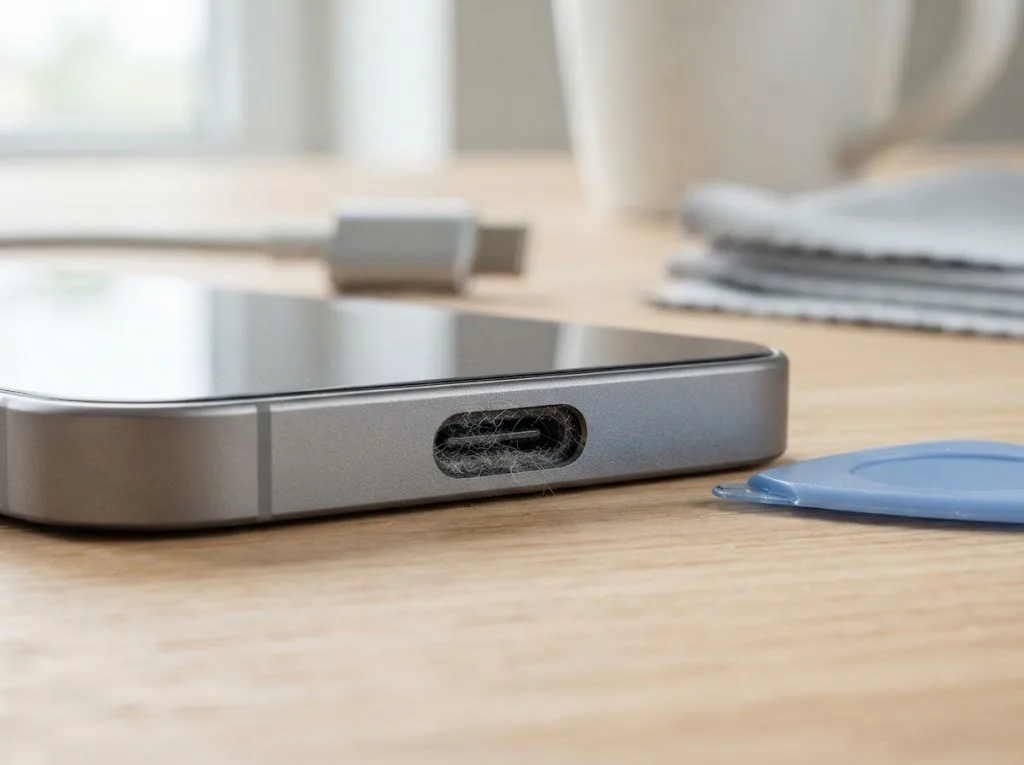
The aluminium shell of the 6s bends and cracks near the antenna bands over time, and both faults reach deeper than the surface. Here is what the damage does inside and what to do before you bring the device in.
How a bent 6s frame affects the internals
A bent chassis presses on the battery and logic board, and over time the screen can lift at the corners or the battery connector loosens. The 7000-series aluminium shell is thin around the antenna inserts, so a single drop onto a corner or months carried in a rear pocket is enough to change the geometry. Once the chassis twists, the display no longer sits flat in its recess and the opening admits dust and moisture. The power cell, clamped between a warped back and the circuitry, swells against the pressure; a connector that keeps shifting can cause random shutdowns. Check the handset on a flat table — if it rocks or you see a gap under one corner, the body has already deformed and a glass-only fix will not sit flush.
What to do before you bring the phone in
- Cover the cracks: clear film holds the shards in place and keeps dust out of the seams.
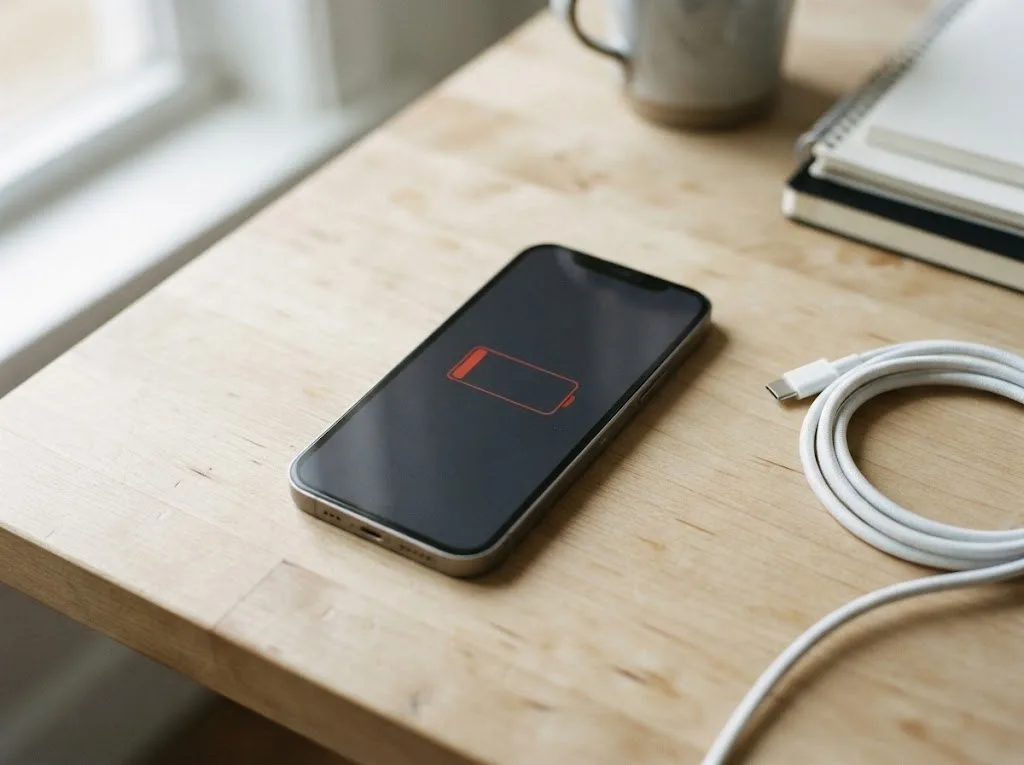
- Skip wireless charging: a loose rear panel can trap heat against the battery.
- Avoid tight pockets: pressure on a bent chassis makes the opening at the corners worse.
- Do not press the glass down: you can crack the camera lens sitting underneath.
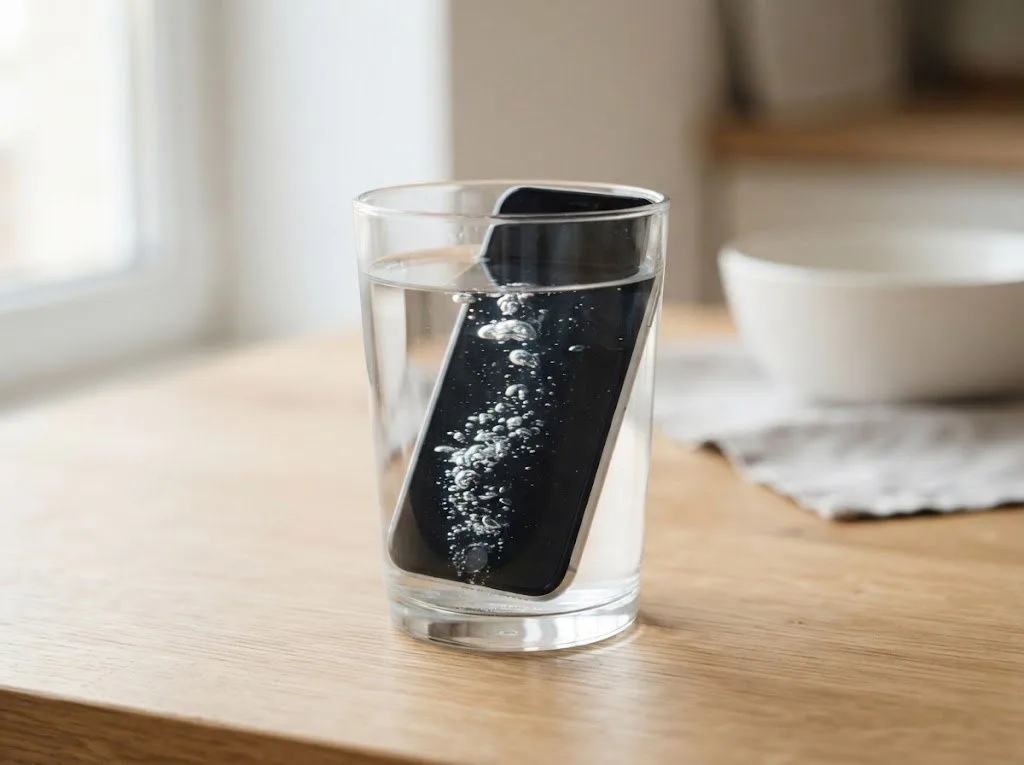
- Keep the device dry: a cracked panel lets moisture reach the board, and liquid damage is slower to diagnose than a swap.
Rear Glass or Whole Housing on the iPhone 6s Housing Replacement
The 6s back is one aluminium shell with two bonded glass strips, so swapping a single pane the way you would on an iPhone 8 does not apply. Here are the realistic options.
When the whole housing is the only option
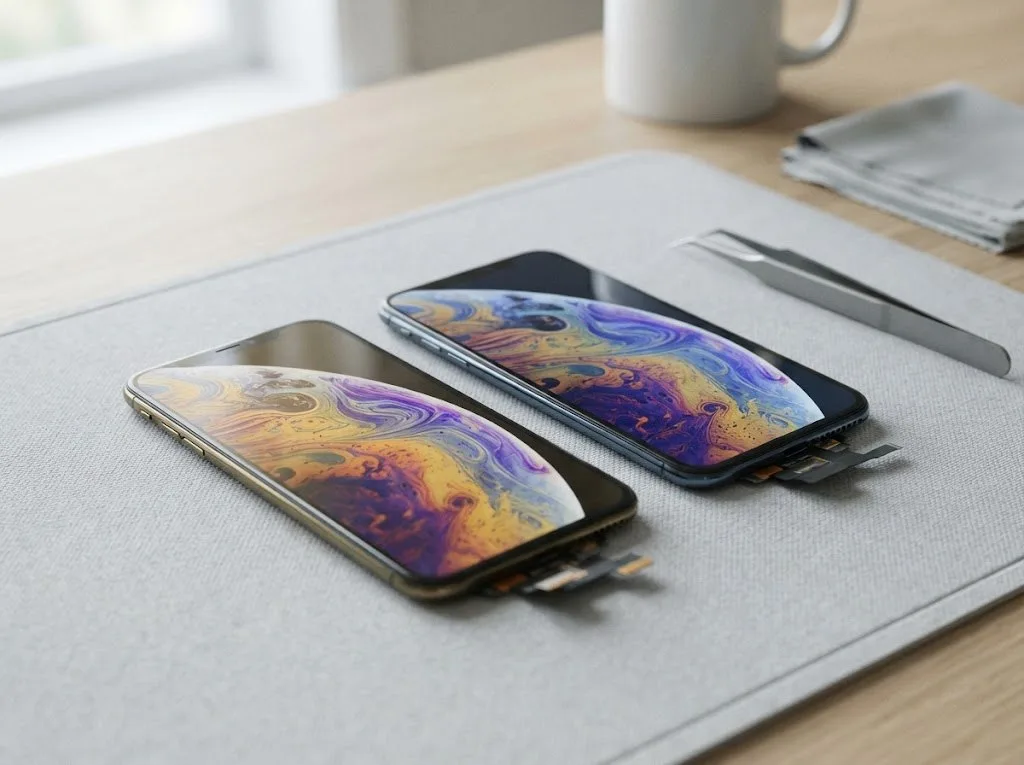
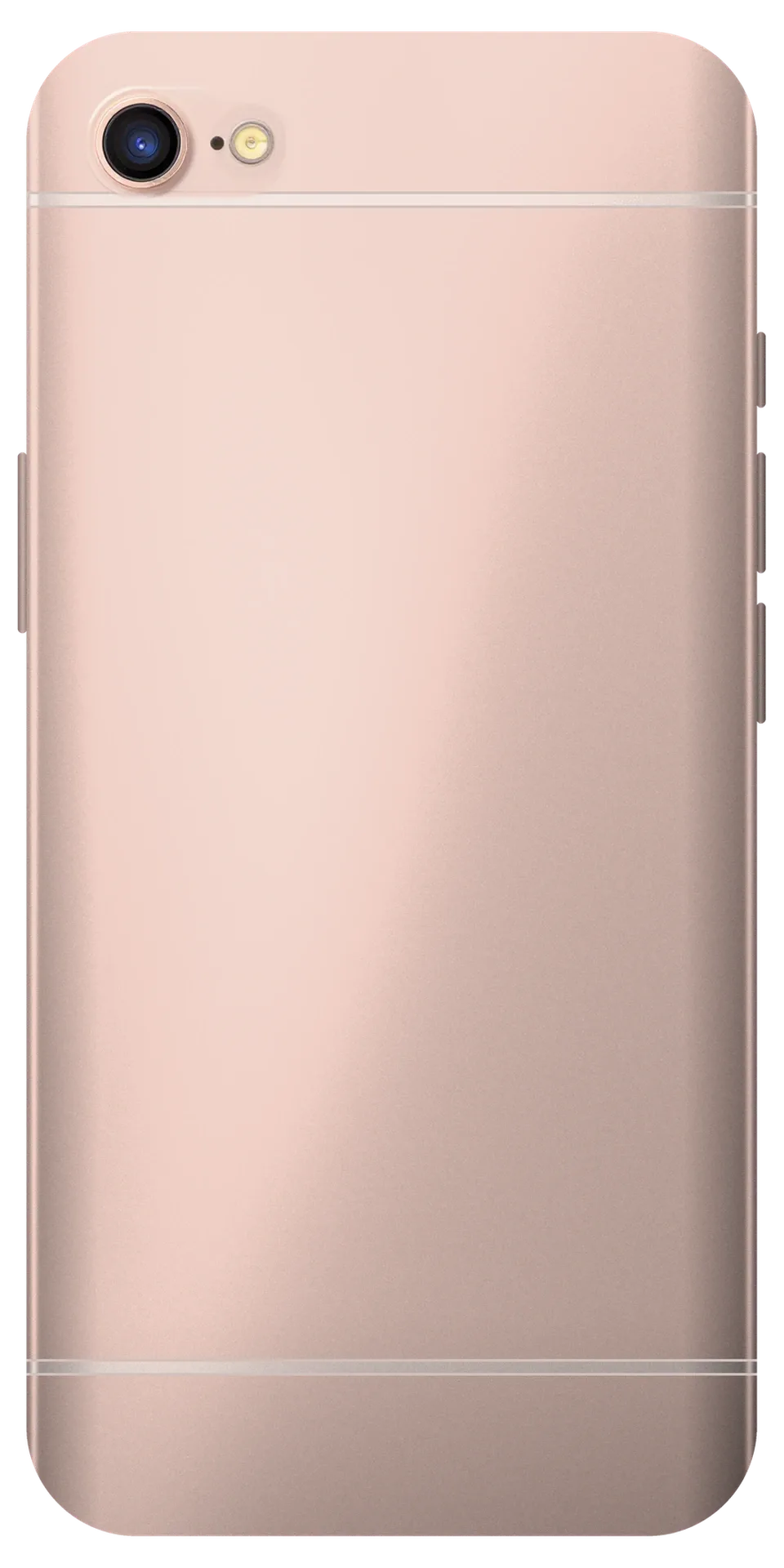
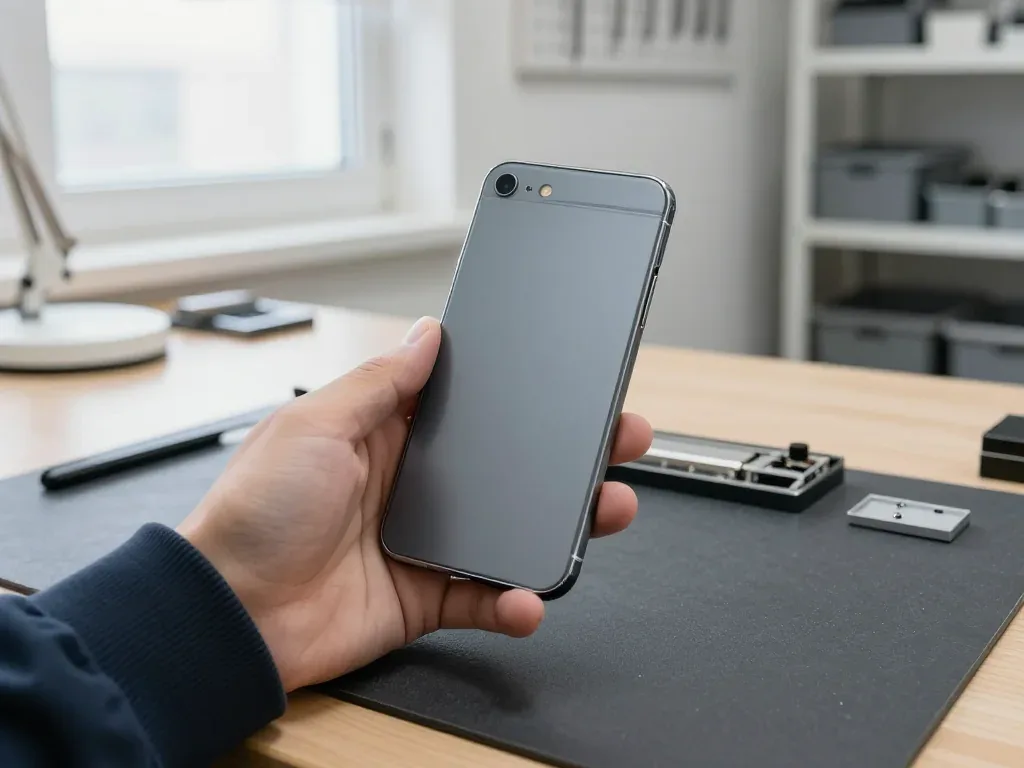
On the iPhone 6s the rear panel is one aluminium piece, so a crack, deep dent or bend means we replace the whole housing rather than a separate sheet. The two strips at top and bottom are bonded into that shell, and the camera island sits in the same metal — damage to any of them usually spreads. A bend of even a couple of millimetres puts pressure on the logic board and battery connector, which is why a straightness check comes before anything else. We look at seam gaps and lay the phone face-down on a flat surface to watch for rocking. If only the small lens cover is chipped and the body is straight, that is a much smaller job — ask for it to be checked before agreeing to a full swap. For an iPhone 6s housing replacement in Astana, the scope is confirmed after this check.
Comparing the repair options for a 6s
Three repair scopes matched to the damage type| Option | When it fits | What we transfer | What we check after |
|---|
| Full housing replacement | Cracked back, deep dent or bent body | Board, battery, cameras, buttons, Taptic Engine | Buttons, cameras, charging, network |
|---|
| Lens cover only | Chipped lens glass, straight body | Nothing — cover swapped in place | Rear focus and flash |
|---|
| Antenna insert repair | Damaged top or bottom strip | Nothing — insert replaced | Signal and Wi-Fi strength |
|---|
What Makes the 6s Frame Different
The 6s uses a stronger aluminium than the 6 but never shipped with a factory water-resistance rating. Here is what that means for the frame and for the phone after a swap.
Aluminium, antenna bands and no factory water seal
The iPhone 6s uses a stronger 7000-series aluminium body than the 6, yet it has no factory liquid rating, so a new gasket after the swap works as a dust barrier rather than a waterproof seal. The antenna bands sit across the rear shell, and the chassis carries the mounting points for the logic board, cameras and buttons. Once the housing is opened, the thin adhesive gasket along the seam is disturbed and cannot be restored to its original condition. A fresh gasket keeps dust and lint out of the seams and holds the rear panel snugly, but it will not stop liquid under pressure. On a phone this age the old seal has already compressed, so practical protection after any housing work is lower than on day one.
How the 6s differs from the 6 and the 7
- iPhone 6: thinner aluminium, known for bending, so a straight replacement chassis is a common request.
- iPhone 6s: stronger 7000-series alloy, antenna bands on the back, no liquid rating.
- iPhone 7: the first with a liquid rating, and its antenna lines moved to the edges.
- Parts are not shared: a 6 shell will not fit a 6s, and the antenna layout differs.
- Check the generation first: the exact model prevents ordering a shell that looks close but will not seat the boards.
How We Carry Out the Replacement
From a WhatsApp photo to the old housing back in your hands, we show every step so you know exactly what happens to the phone while it is with us.
From a WhatsApp photo to the receipt
You send a photo of the damage on WhatsApp, an engineer replies within 5 minutes with a price, and before work starts we fix the price, part, turnaround and warranty on the receipt. That written record takes roughly 2 minutes and names the exact housing going onto your device, whether original or aftermarket. Our engineer shows you the fresh part in its factory packaging prior to installation, and most housing jobs are finished in 20–40 minutes while you sit in the waiting area with coffee and Wi-Fi. Ask to inspect the housing in its sealed box once it arrives — that is the moment to confirm the colour and finish match what you expected.
The parts we move across and the checks we run
- Board and battery: lifted out and seated into the replacement frame without bending the connectors.
- Cameras and Taptic Engine: refitted and aligned so focus and vibration stay normal.
- Button and charging flexes: transferred and tested for click and charge.
- 32-function check: cameras, microphones, speakers, charging and network, roughly 10 minutes.
- Handover: receipt, warranty card and the old housing go back to you.
Original or Aftermarket Housing and What We Check
Fit, shade and gap tolerances differ between an original housing and an aftermarket one, so we show both up front and explain what to look at once the phone is reassembled.
Fit, colour and finish of the two part types
An original housing matches the factory colour and gap tolerances, while an aftermarket one can differ slightly in shade and edge fit, and we show both so you choose before work starts. The 6s shell has tight seams around the display, the SIM tray and the antenna bands, and a millimetre of misalignment shows up as a visible lip along the edge. Aftermarket shells often use a softer anodised finish, so the surface scuffs faster at the corners and the mute switch cutout sits a fraction wider. On a rose gold or space grey 6s the shade difference is most visible around the antenna bands, so compare the new part against your old shell in daylight, not under shop lighting. Bring the phone in and hold the replacement beside your current shell before we commit to it.
What we verify before handover
Post-swap function tests on the reassembled 6s| Check | How we test it | What good looks like |
|---|
| Buttons | Press power, volume and mute switch | Firm click, no sticking |
|---|
| Cameras | Shoot front and rear, test flash | Sharp focus, flash fires |
|---|
| Charging | Plug in and watch the battery icon | Steady charge, no heat |
|---|
| Network | Insert SIM, make a call | Signal and audio clear |
|---|
| Touch ID | Register and unlock with a finger | Unlocks first try |
|---|
Summary: iPhone 6s Housing Replacement
A housing decision on the 6s rests on three things: whether the body itself is damaged, which generation-specific parts actually fit, and what gets verified after reassembly.
- Frame first: a crack, deep dent or bend calls for the whole aluminium housing, not a separate glass sheet.
- Generation matters: 6s parts differ from the 6 and the 7, and the antenna layout is not shared between them.
- No factory seal: after any swap the phone is dust-resistant at best, never waterproof again.
- Check everything: buttons, cameras, charging, network and Touch ID before you accept the phone back.
- Keep the old part: it confirms what was replaced and helps at resale.







 iPad
 MacBook
 iMac
 Mac mini and Studio
 Apple Watch
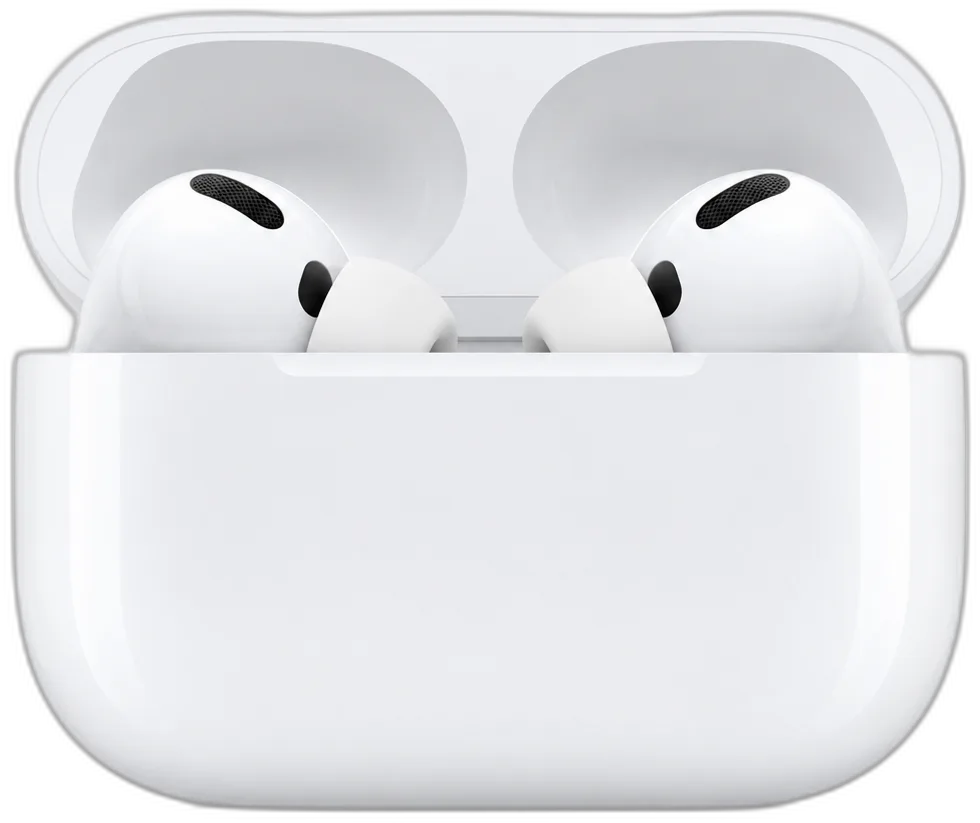 AirPods
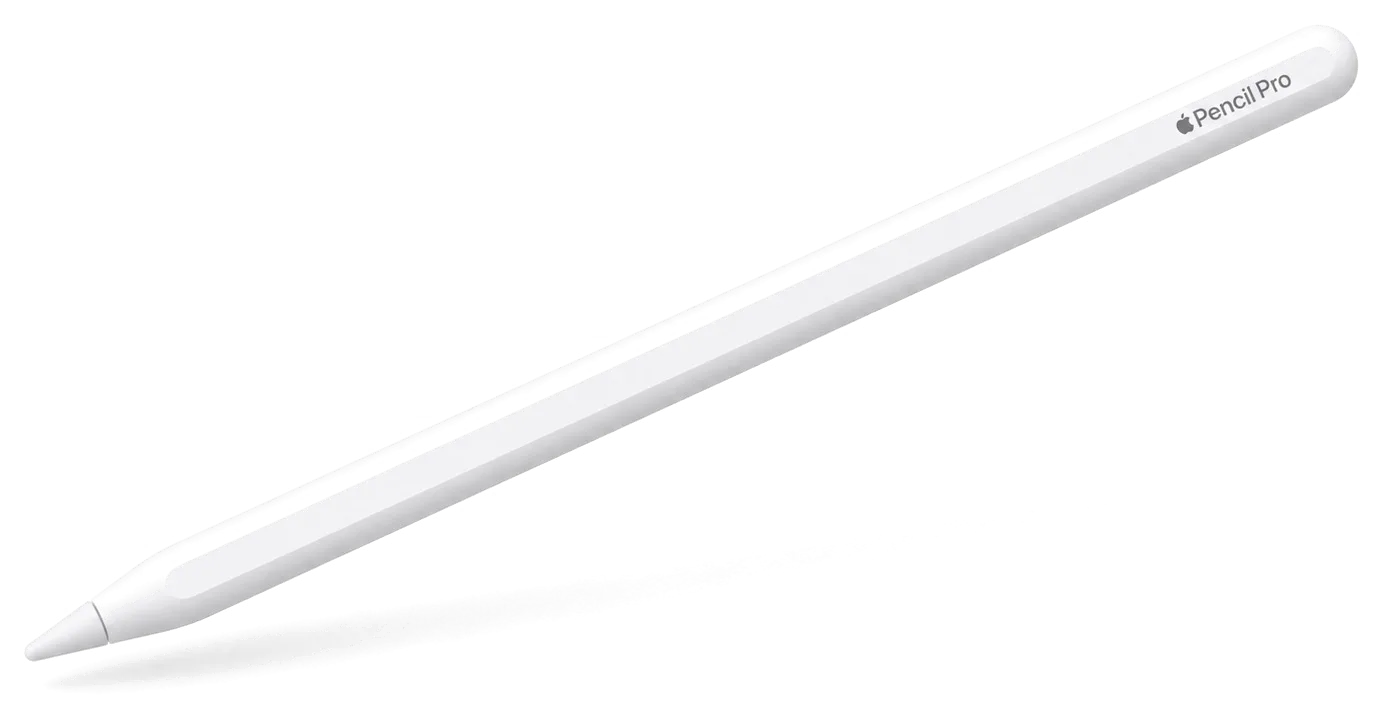 Apple Pencil
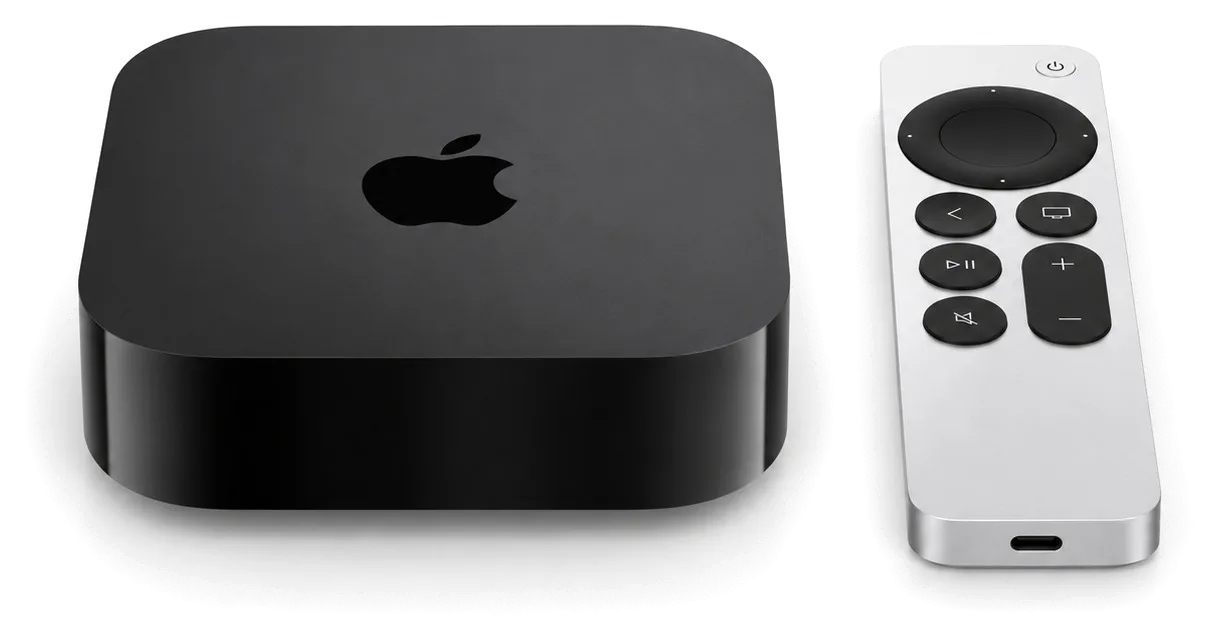 Apple TV
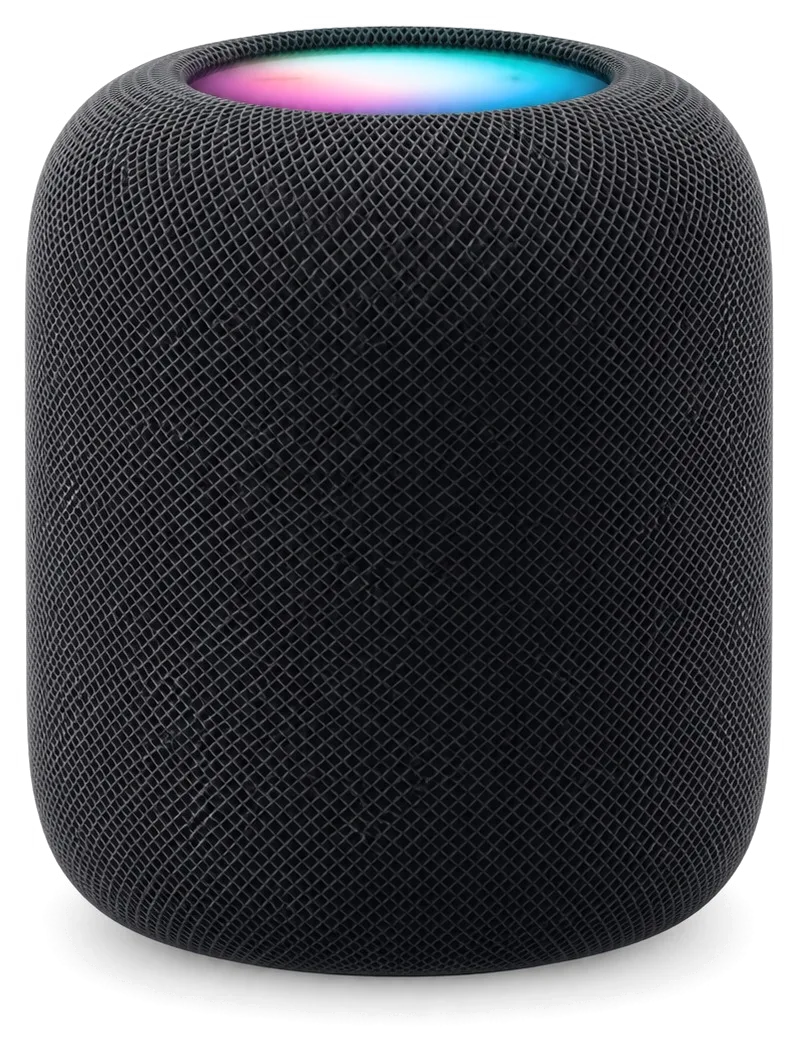 HomePod