The iPhone 11 has a glossy rear cover bonded to an aluminium frame, so the right repair depends on what is actually damaged. Here is how we tell the two cases apart before any work starts.
When a cracked back glass is the only damage
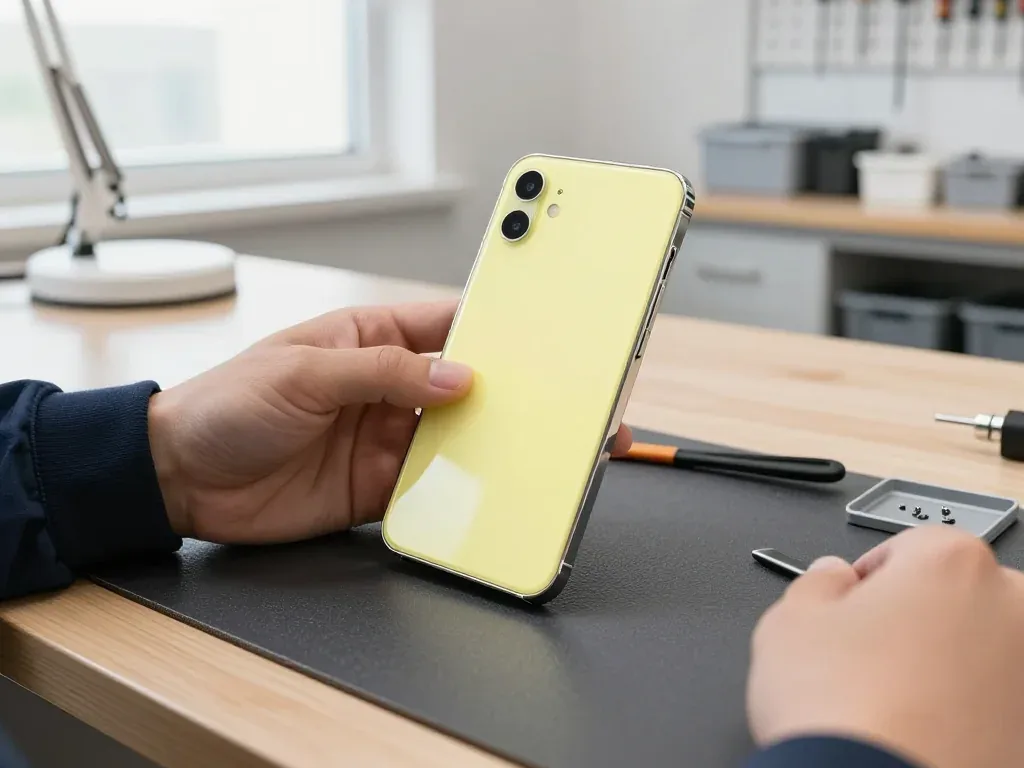
If only the rear panel is cracked and the body is straight, we replace that sheet alone and keep your original chassis, buttons and SIM tray. This panel is bonded to the mid-frame with a wide adhesive gasket, and the camera island sits on the same sheet, so the two come off together. We lift the broken sheet with a laser, clear the old glue from the channel and lay a fresh gasket before the new cover goes down. Because the body never leaves the phone, nothing inside has to be unplugged and the original buttons keep their exact feel. Run a fingernail along the chassis edge before booking — a glass-only job is faster, but a bent body will stop the new part from sitting flush.
When the frame is bent and the housing has to go
A dented or twisted frame means a full housing swap, because a fresh panel will not seal against a warped edge and the phone will keep letting dust in. The aluminium band on this model takes dents at the corners after a drop, and once it is out of true the flat rear panel cannot follow the curve. In that case we move the logic board, battery, both cameras, the Taptic Engine, the buttons and the SIM tray into a new housing with its own chassis. The camera island and the wireless charging coil come with the housing, so the rear shell and the body are matched from the start and the gaps close evenly. Lay the phone face-down on a flat table and press a corner — any rocking means the chassis is out of true and a glass-only fix will not help.
What each option covers
Which repair suits which damage| Repair | When it fits | What we transfer | What we check after |
|---|
| Rear glass only | Cracked cover, straight frame | Nothing, frame stays | Wireless charging, cameras |
|---|
| Full housing | Dented or bent frame | Board, battery, cameras, buttons | Face ID, buttons, network |
|---|
| Camera island cover | Chipped lens cover only | Nothing | Both rear cameras, flash |
|---|
How the iPhone 11 housing replacement Is Built and Why It Matters
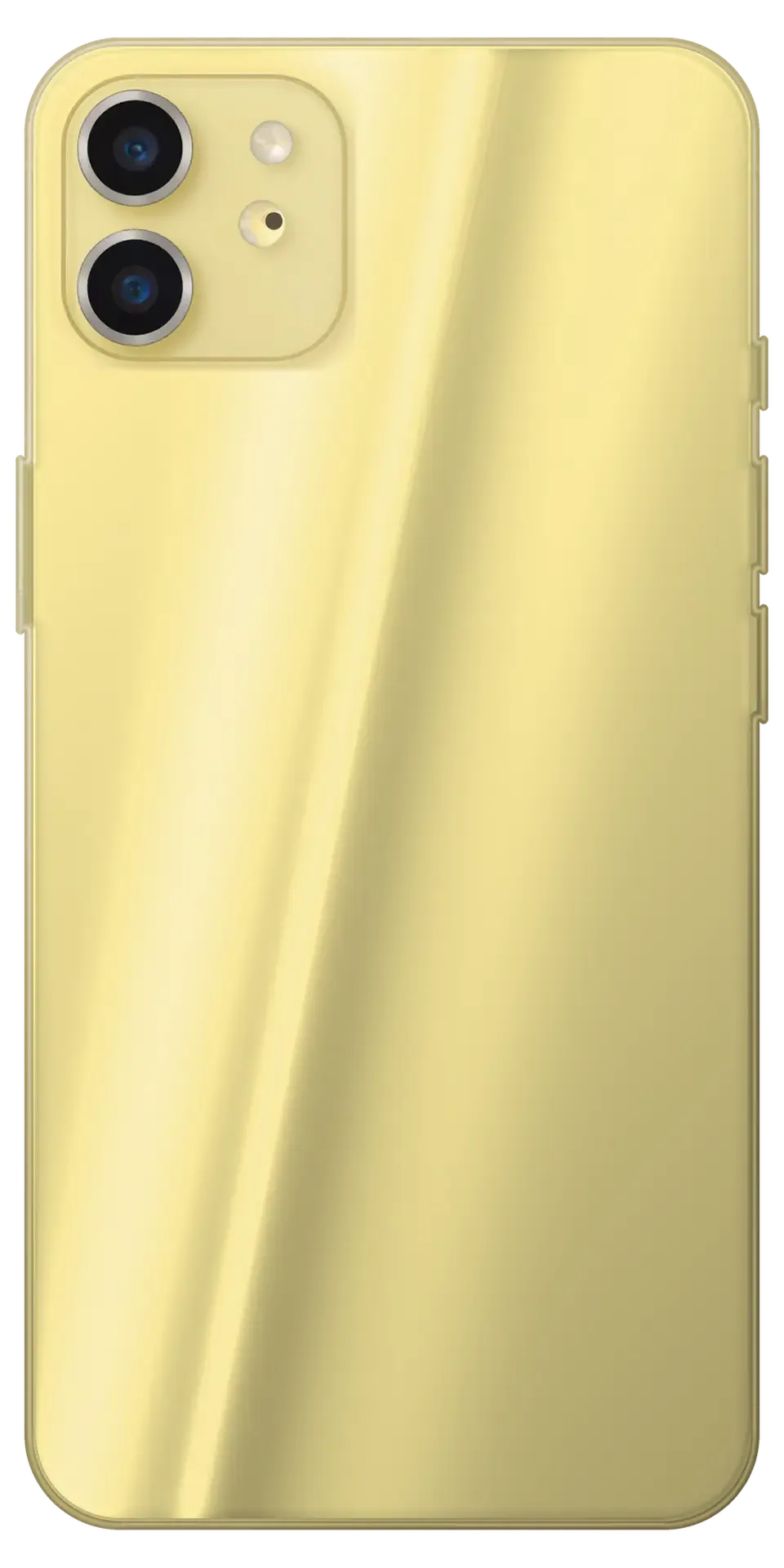
The iPhone 11 pairs a glossy back with a matte camera island on an aluminium frame. That mix of finishes and the parts bonded to the rear panel shape how the replacement is done.
Glossy back, matte island and the parts bonded to the rear
On this model the wireless charging coil, flash and microphone are bonded to the rear panel, so they move with the new part or are transferred carefully. We lift the coil without tearing the flex, then swap the flash and microphone onto the fresh part before the adhesive sets. The glossy surface scratches easily once the cover is off, so it sits on a soft mat, never on the bare bench. The matte camera island is a separate piece from the shiny rear — if only that plateau is chipped, you do not need a whole new housing. A single chipped island is a common reason people assume the entire unit has to go.
Aluminium frame and what that means for the swap
- Frame material: aluminium, lighter than the stainless steel on the 11 Pro and 11 Pro Max.
- Weak points: the four corners take the impact first and dent before the back panel cracks.
- What it means for the swap: a bent body rules out a glass-only repair.
- What stays: buttons, SIM tray and antenna bands are reused when the chassis is sound.
- Why it matters here: a hard drop often leaves the body out of shape even when the back looks intact — check the corners.
How We Carry Out iPhone 11 Housing Replacement in Astana
Every job follows the same steps, from the first message to the moment you walk out with the old housing in hand. Nothing is opened until the price, component and warranty are written down.
From a WhatsApp photo to a fixed receipt
You send a picture of the damage on WhatsApp, an engineer replies within 5 minutes with a price, and the component, turnaround and warranty are fixed on the receipt before work starts. He reads the shot for what it hides: a dent in the aluminium frame, a lifted corner where the back meets the camera island, a gap along the bottom edge. That reading decides whether the job is a glass-only fix or a full swap, and it sets the time slot. The whole process, from first contact to pickup, usually takes less than an hour. A daylight shot from two angles saves a trip — the engineer can usually tell a rear-panel repair from a full swap prior to your arrival. This is how iPhone 11 housing replacement in Astana starts, long before the phone reaches the workbench.
Free diagnostics, the part in packaging and the wait
- Diagnostics: free, about 15 minutes in front of you, even if you decide not to repair.
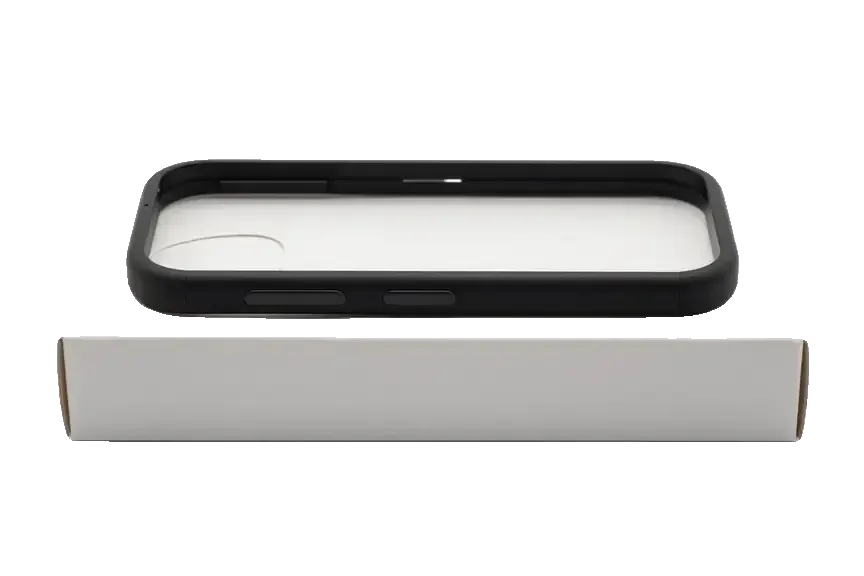
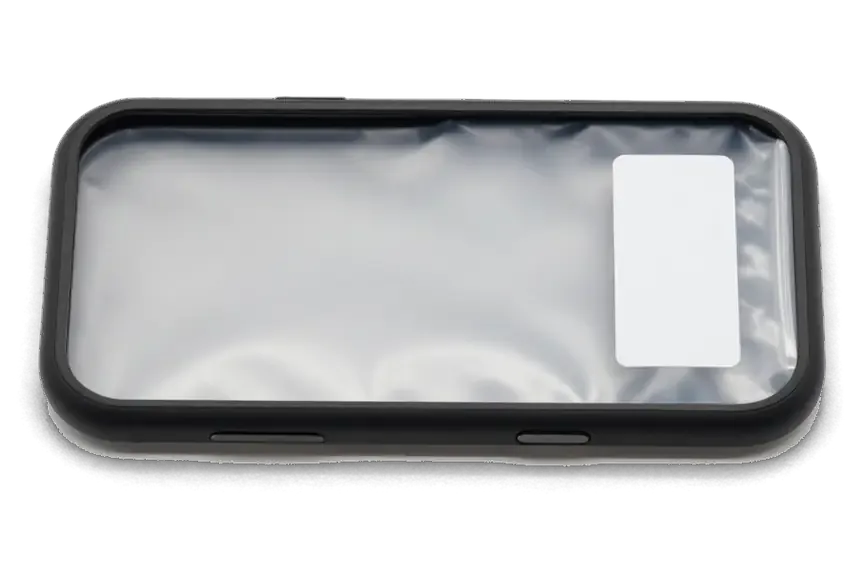
- The new housing: shown in factory packaging ahead of installation, original or aftermarket.
- While you wait: 72% of repairs finish in the waiting area, which has coffee and Wi-Fi.
- Hours: Mon–Fri 10:00–19:00, weekends and holidays 11:00–18:00.
- If you cannot come: a courier can be called to collect and return the phone.
Original or Aftermarket Housing and How the Colour Holds Up
The housing is the part you look at every day, so how it sits and feels matters as much as function. Here is how genuine and aftermarket housings differ, and what to expect from the shade.
Fit, finish and the matte island on an aftermarket panel
A genuine housing matches the factory gloss, textured island and gap tolerances exactly, while a third-party unit can differ slightly in sheen and edge alignment. The rear panel on the iPhone 11 is one piece with the camera island bonded on, so a replacement is judged by how evenly the textured patch meets the glossy field and how the chassis closes against the screen. On aftermarket versions that patch often reads a touch flatter, and the seam along the aluminium band can sit a fraction wider. At iServices we show both housings in factory packaging before installation, so you compare the surface yourself, and every housing comes with a warranty up to 1 year. 64% of customers choose a genuine part — on a phone you handle daily, the difference in how that surface feels is the detail people notice first.
Can you change the colour of the housing
Yes, you can fit a housing in a different shade, but the buttons, SIM tray and camera island should match the new body or the phone will look pieced together. A housing swap moves the logic board, battery, cameras and small parts across, so the side buttons and the tray come from the original set unless they are replaced too. Black, white, green, yellow, purple and red housings all follow the same internal layout, which is why the shade itself does not affect alignment. A colour change is a cosmetic choice, not a repair — decide it before the part is ordered, because switching mid-job means a second housing.
What We Check After the Swap and What the Warranty Covers
Once the new housing is on, the phone is not finished until every function tied to the back panel works. We test alongside you and hand over the paperwork before you leave.
The functions we test together after assembly
After the repair we check 32 functions in about 10 minutes, including Face ID, True Tone, both cameras, microphones, speakers, charging, wireless charging and network. The rear panel carries the camera lens covers, the flash diffuser, the side buttons and the antenna contacts, so a housing that sits a fraction off can knock out Face ID or mute a microphone. You stand at the counter while the engineer runs each test and shows the result on the screen — nothing is signed off behind a closed door. Wireless charging is the one people forget: bring your own pad or ask to test on ours, since a poorly seated coil only shows up when you actually charge. The old part, the receipt and the warranty card go home with you.
Water resistance and what the warranty covers
Factory water resistance is not restored after any housing swap, even with a fresh adhesive gasket, and every job carries a warranty up to 1 year covering the part and our workmanship. The gasket we fit keeps dust and splashes out, but the seal the device left the factory with depended on a bonded assembly that cannot be recreated by hand. Treat it as splash-resistant at best and keep it away from sinks, rain and pools. The warranty covers the repair itself, not a new drop — a fresh crack from another fall is a new job, so a case is worth considering after a housing swap. Keep the receipt and the old part: both are your proof if anything tied to the swap needs a second look.
Summary: iPhone 11 Back Glass and Housing Replacement
A brief recap of what decides whether an iPhone 11 housing swap goes smoothly and what to verify once the job is done.
- Straight frame, cracked cover: a glass-only replacement is enough, while a bent or dented frame requires a full housing swap.
- Bonded parts: the charging coil, flash and microphone are fixed to the back, so they travel with the new shell.
- Water resistance: it is never restored to factory level after the housing is opened, whatever gasket is fitted.
- Part choice: original and aftermarket units differ in gloss, matte-island finish and edge fit, so compare them side by side.
- Final check: test wireless charging, Face ID and both cameras before leaving the workshop.







 iPad
 MacBook
 iMac
 Mac mini and Studio
 Apple Watch
 AirPods
 Apple Pencil
 Apple TV
 HomePod