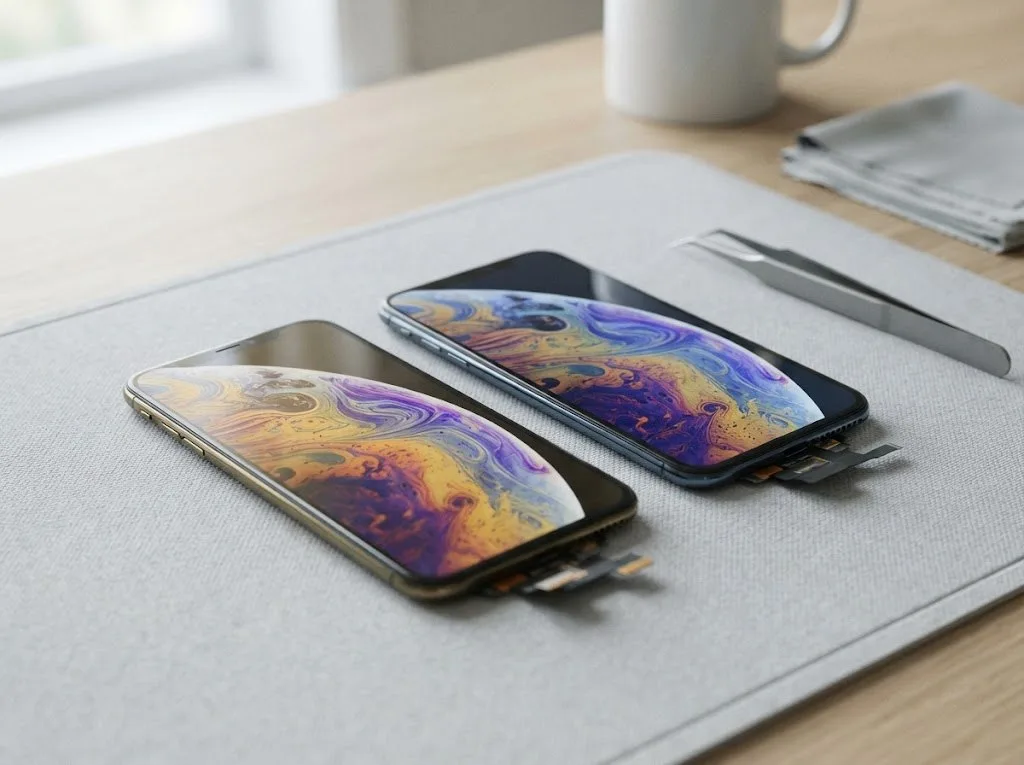
On the iPhone X the front glass, touch layer and OLED are bonded into one assembly, so replacing just the top layer almost always means swapping the whole unit. Here is how to read the symptoms.
Cracked glass, lines or a black screen
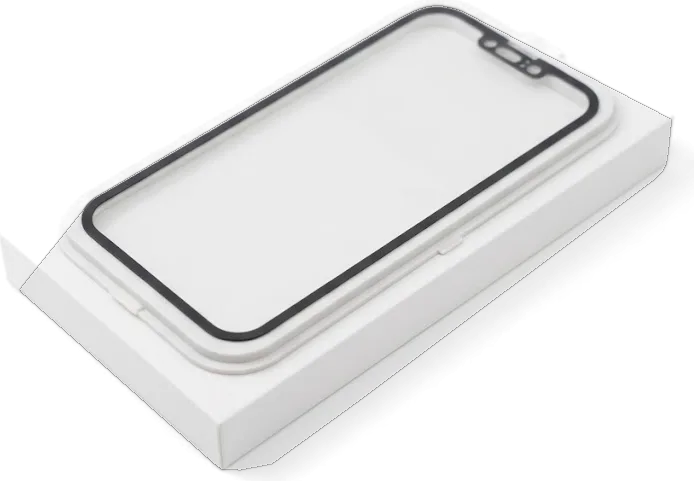
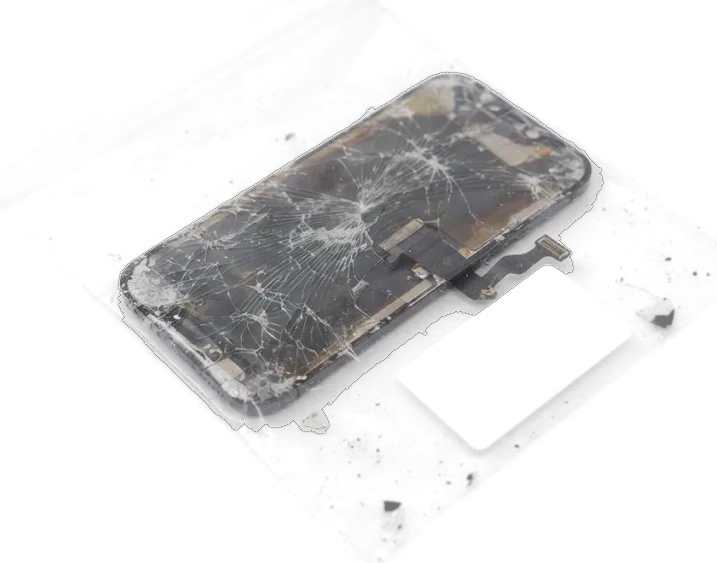
On the iPhone X the cover, digitiser and OLED are fused into a single display assembly, so a shattered front is replaced as a whole unit rather than re-glassed. A spiderweb crack with the image still working points to damage in the top layer and touch sensor, while a black screen with sound and vibration alive usually means the OLED or its flex has failed. Thin green or pink lines, dark blotches or a bright spot after a drop come from the matrix itself, not from the cover. A display that shows lines without any crack often traces back to the display flex or the board, so it needs diagnosis before you agree to a full swap.
When the display is intact but stops responding
We start with free diagnostics right in front of you, and the engineer spends about 15 minutes checking whether the fault sits in the display flex, the board or the digitiser, even if you decide not to repair. The touch sensor on this model can go dead after a knock that leaves the front flawless, and a wet device often keeps a working picture while the digitiser stops registering taps. The split is roughly even between a failed flex and board-level damage from impact or moisture. Waiting with a cracked or flickering display lets dust and moisture reach the OLED, and after water contact diagnostics can stretch to two days, so an early check costs less than a late one.
Original OLED or Aftermarket Panel for Your iPhone X
The iPhone X ships with an OLED display, and the two realistic choices are an original part or an aftermarket one that is often LCD-type. The difference shows up in brightness, black levels and thickness of the module.
How the two panel types differ in daily use
Side-by-side view of the replacement options| Panel option | What you notice | Touch and image |
|---|
| Original OLED module | True black, factory brightness, slim profile | Full touch, accurate colour |
|---|
| Aftermarket LCD-type | Thicker, blacks look grey, dimmer outdoors | Full touch, slightly cooler colour |
|---|
| Glass-only repair | Keeps your current panel, no swap | Only works if the display still lights up |
|---|
Why most of our Astana clients pick the original
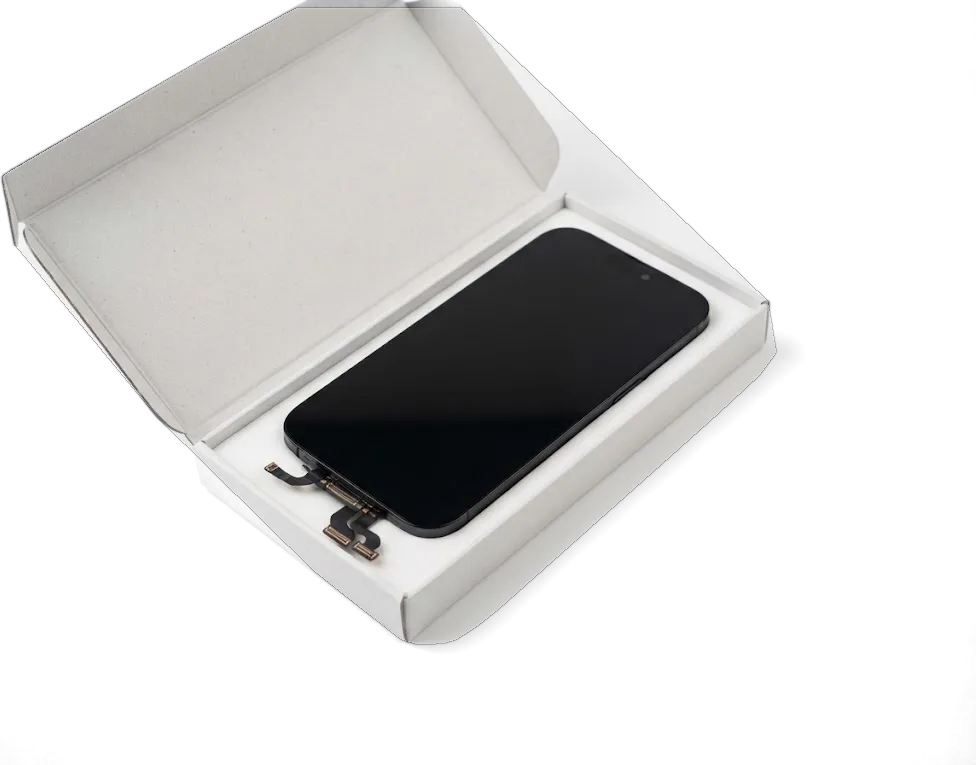
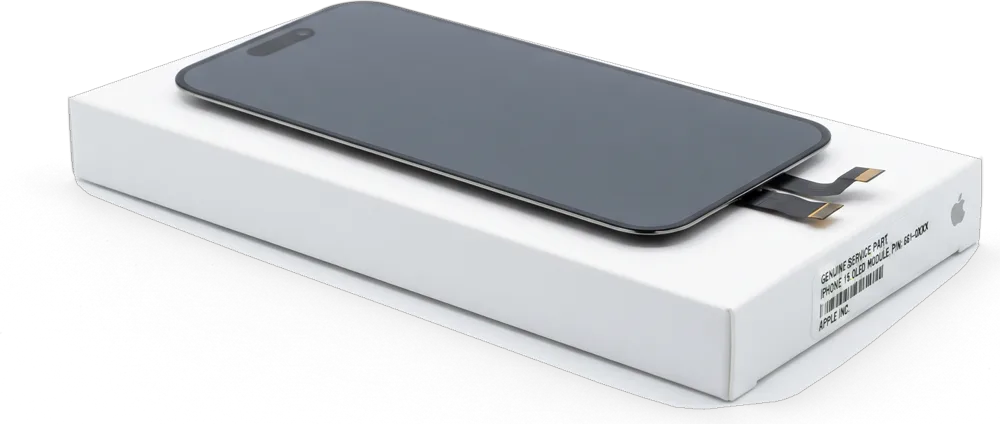
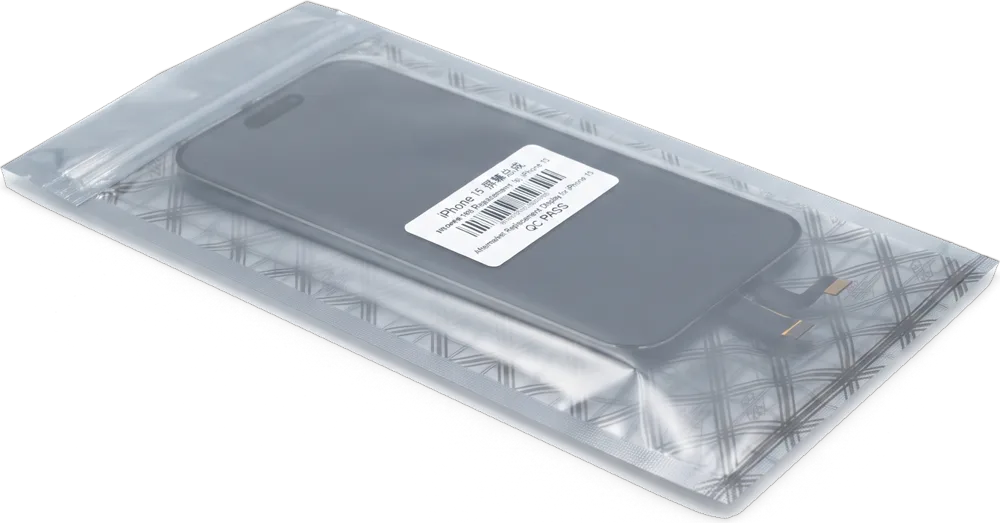
Around 64% of our customers choose an original part, and for this model that means a genuine OLED panel that keeps the display behaving the way it did on day one. The rest take an aftermarket LCD-type module, which restores touch and image but reads greyer on dark wallpapers and loses brightness under direct sun. We show the new component in factory packaging before installation, so you can compare the type against what was agreed rather than trusting a label after the fact. Our engineers have handled screen swaps on this device for 11 years, and the OLED-versus-LCD question comes up at the counter almost daily. If the phone is a daily driver, the original is the closer match to what you had; if it lives in a drawer as a backup, an aftermarket module still brings the display back to full function.
Will Face ID and True Tone Survive the Swap
On the iPhone X the front camera, speaker and proximity sensor sit on the top flex, and the proximity sensor is part of the Face ID system. How those parts are handled decides what keeps working.
What moves from the old module to the new one
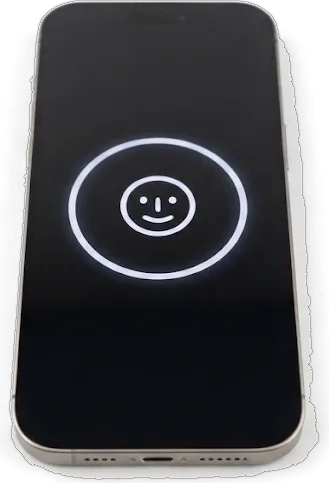
Our technicians transfer the original top flex with the speaker, microphone, front camera and proximity sensor onto the new display, because the proximity sensor feeds the Face ID system and cannot simply be swapped for a generic component. The top flex on this model also carries the ambient light sensor, so the same transfer keeps auto-brightness reading correctly. We lift the flex with a suction tool and heat mat, never with metal prying, and we inspect the cable for micro-cracks before it goes onto the replacement part. A unit fitted without that transfer can light up and respond to touch yet fail Face ID at unlock, which is why the transfer is done before the new unit is seated, not after.
Keeping True Tone and checking it on the spot
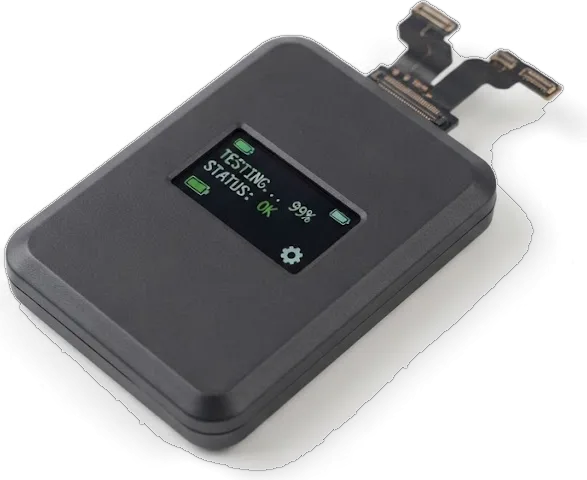
True Tone keeps working only when the display data from the original panel is carried over, and we confirm it right after installation together with you. The data lives in the memory chip of the assembly, so a programmer reads it from the old unit and writes it to the new one before the display goes back on the frame. In the same pass we check auto-brightness and the iOS parts notice that some modules trigger after a swap. If True Tone is missing from the brightness menu after a swap, the display data was not transferred, and that is a reason to raise it before you leave rather than days later.
How the iPhone X Display Replacement Runs in Astana
The whole visit usually takes less than an hour, and the display swap itself is about 40 minutes. Here is what happens between the first WhatsApp message and the moment you walk out with the phone.
From a WhatsApp photo to a fixed price
Send a photo of the damage on WhatsApp and an engineer replies within 5 minutes with a price, then the price, part, turnaround and warranty are fixed on the receipt in about 2 minutes before any work starts. Diagnostics take 15 minutes and happen in front of you: the engineer opens the device, shows what is broken and explains whether the module or only the glass failed. You choose between an original and an aftermarket component, and the new unit is shown in factory packaging before installation. This is how the iPhone X display replacement in Astana is arranged from the first message to the fixed price. Agreeing the part and the turnaround on paper first means the conversation after the repair is about the phone, not about what was promised, which is why we do it before the back cover comes off.
Waiting on site while we work
An iPhone X display takes about 40 minutes, and 72% of our repairs are finished while the customer waits in the waiting area with coffee and Wi-Fi. The work itself is a clean sequence: the technician heats the adhesive, lifts the old module, moves the earpiece, sensors and brackets across, seats the new unit, then re-seals the frame so dust stays out. Our engineers have 11 years of practice behind them and more than 46,000 repairs across the two branches. Booking a slot through WhatsApp before you come in keeps the wait short, and weekend or holiday visits run on the shorter 11:00–18:00 schedule, so a weekday morning is the calmest window.
The Check, the Warranty and What You Take Home
A repair is only finished when the phone behaves the way it should. Once the new module is seated, we run a full function test with you and hand over the paperwork and the removed part.
The 32-point check we run together
- Face ID: unlock and attention-aware features confirmed working while you stand at the counter.
- True Tone: toggle present and shifting colour with the ambient light.
- Cameras and microphones: front and rear capture, calls and voice memos all tested.
- Speakers and charging: earpiece, loudspeaker, cable and wireless charging verified one by one.
- Network and touch: signal, calls and touch response across the whole glass surface.
Paperwork, coverage and the old part
You leave with the printed document, a card covering the work up to 1 year, and the taken-off component in a bag, and a courier can be called if you would rather not come in. That document carries the component type, the turnaround and the coverage terms, so nothing about the job depends on memory. Our engineer shows the fresh module in factory packaging before installation, and the entry is written up in about 2 minutes. Handover happens at either branch, in Almaty or Astana, and the courier option suits owners who cannot break away during working hours. Keeping the removed component is useful if a claim question ever comes up, since it shows exactly which piece came off the phone and matches what is printed on your copy.
Summary: iPhone X Display Replacement
A few practical points decide whether a display swap on this model ends well. Here is what to weigh before you hand the phone over.
- Front layer: on the iPhone X a cracked outer surface means a full assembly swap, since the touch layer and OLED are bonded into one unit.
- Display type: an original OLED keeps true blacks and factory brightness, while an aftermarket LCD-type module is thicker and lifts blacks toward grey.
- Face ID and True Tone: both survive only when the top flex and the original display data are carried over to the new unit.
- Lines without a crack: a display that shows lines but no broken surface may be a flex or board fault, so diagnosis comes before any component is ordered.
- Paperwork: a clear receipt listing the component, turnaround and warranty, plus the old module in hand, is what a finished repair should leave you with.







 iPad
 MacBook
 iMac
 Mac mini and Studio
 Apple Watch
 AirPods
 Apple Pencil
 Apple TV
 HomePod